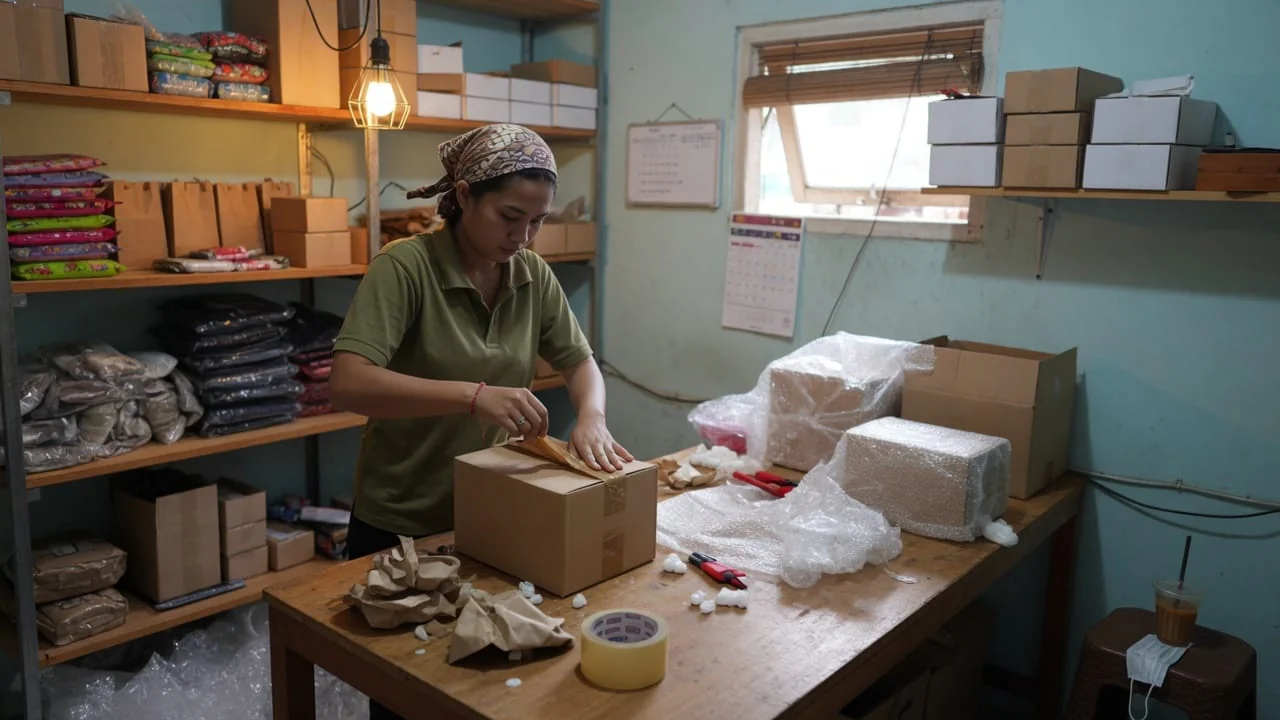
Healthcare services / SMB
Measured impactMy new website looks great — why is nobody finding us on Google?
New clinic, 3 weeks live — 12 GSC impressions, 0 patients from Google
Oura Starter Read →
A B2B digital agency losing ground to competitors on Google and never named by AI. Gap analysis + OAVF Oura Domination changed the recommendation shortlist.
The buying question this story answers Our team is capable — why do competitors always own page one and we never get named by AI?
The gist
Losing page one is not the end — gaps competitors ignore, plus structure built for AI citation, can change the recommendation shortlist prospects bring to the first call.
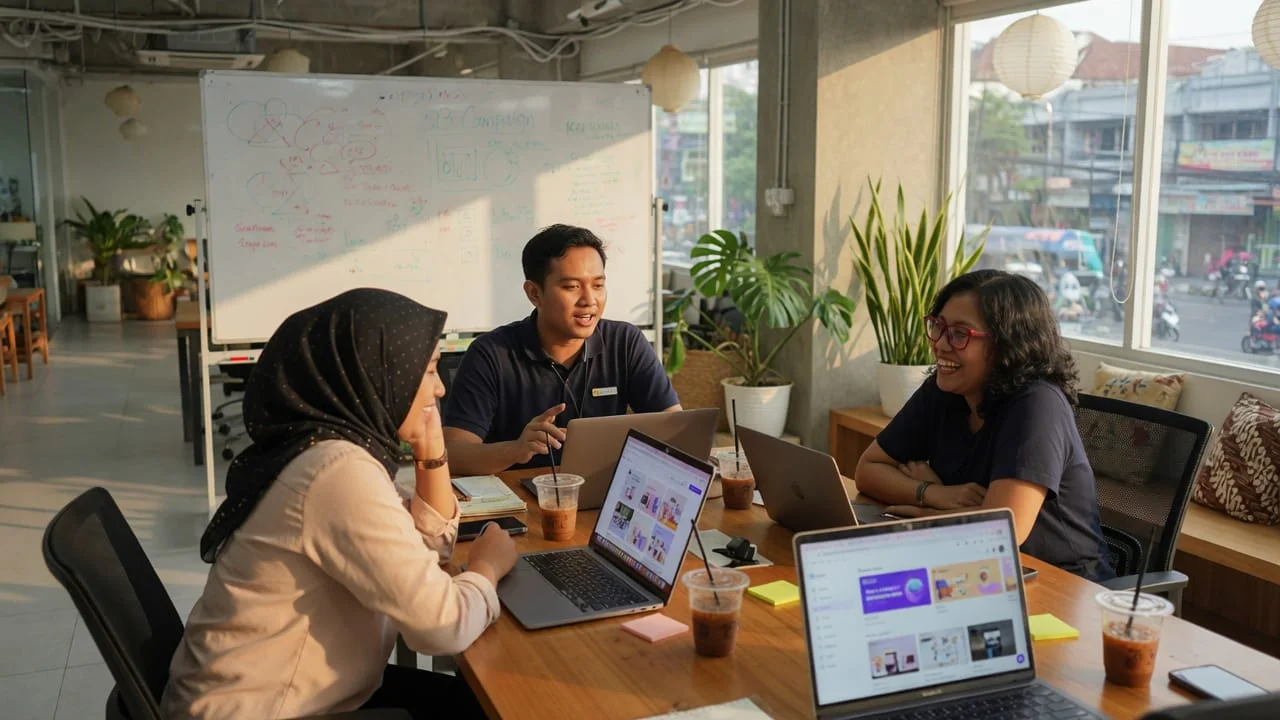
Professional services / Local B2B
Anonymized client
“We're capable with a strong portfolio — but new clients almost never come from Google. Prospects already have 3 names from ChatGPT before calling us.”
Full story
Business development just finished a call with an enterprise prospect. Not a lost deal — but the explanation stung:
“We researched on ChatGPT. Three agencies were recommended. Your name was not on the list. We called because of an internal referral, not because of Google.”
The founder sat quietly. Portfolio was strong. Team capable. Client testimonials existed. But on the modern research battlefield — Google page 2, AI never mentions them — they barely existed.
B2B digital services buyers research in two places: Google for validation (“who is best for [service X]”) and AI answers for the initial shortlist. Competitors who locked page one 3–4 years ago have 2,000+ word cornerstone pages per cluster. This brand had 12 service pages at 300 words — brochures, not answers.
On Google: position #8–12 for the main category keyword. In AI: never named. Losing both fields to the same competitors.
SEO agency switched twice in 18 months — rankings rose briefly, fell again. Generic service pages added for every niche. Backlink packages from marketplaces — temporary lift, penalty risk. LinkedIn thought leadership posted regularly — not connected to indexable, citable pages.
The problem was not lack of activity. The problem was no pages worth winning or citing — and no cluster strategy, only keyword checklists.
Gap analysis showed a clear pattern:
Competitor #1 strong in 4 clusters — but lazy on 3 buying-decision clusters: price comparison, project timeline, and “how are you different from freelancers.” That is a 90-day gap.
12 thin service pages vs 4 long cornerstones. Google and AI both need content that answers completely — not feature lists.
Organization entity incomplete — no sameAs to active profiles, no FAQ schema. AI engines had no signal to verify and cite.
Zero buying-decision pages. B2B prospects ask: cost range, timeline, deliverables, difference from alternatives. No page answered — so nothing to forward to prospects researching on ChatGPT.
The strategic decision: focus 3 priority clusters, not 12 thin pages. The founder initially wanted to “cover all services.” Data won: winning 3 clusters with full cornerstones beats 12 brochures.
Domination at Oura is not about volume — it is about winning clusters that drive buying decisions:
Patterns we see in similar Domination engagements:
Once 3 priority clusters are owned, expansion to the next clusters has a data foundation — not another quarter of guessing.
Before Oura
Turning point
Before & after
Measured metrics
page-1 keywords
head keyword position
Relative scale for comparison — not absolute units.
The challenge
Competitors had already captured category keywords on Google — this brand stuck on pages 2–3 (#8–12) with only 12 keywords on page 1. Organic traffic stagnant. Worse: when prospects asked ChatGPT or Perplexity for agency recommendations in Indonesia, this name never appeared. Leads almost always came from referrals or expensive LinkedIn ads.
The approach
Competitive gap analysis: clusters competitors own vs gaps winnable in 90 days.
Cornerstone answer-first: 5 service pages 2,000+ words answering every buying-decision question.
Internal studies + anonymized case studies for topical authority — not generic blogs.
Full OAVF: Organization entity, citation signals, conversational query mapping.
Atlas full loop: dry-run, backup, audit log — every production change audited.
Execution phases
Months 1–2
Deep competitive audit: competitor cornerstone pages, backlink profile, entity gaps. Technical fixes + buying-decision keyword map.
Months 3–5
5 answer-first service pages, 3 internal studies, Organization + FAQ schema. Each page answers questions competitors only half-answer.
Months 6–8
Citation signals, conversational query mapping, monthly AI citation monitoring. Iteration via Atlas — SERP and AI shortlist tracked separately.
Oura Atlas
Data from GSC & GA4 becomes a brief, execution runs through dry-run and backup, impact is measured — not wild production changes.
Relate?
“We did not lose because we are bad — we lost because competitors already had pages answering every client question. We only had brochures.”
“We can now forward comparison pages to prospects researching on ChatGPT. Before, we had nothing to send.”
Measured impact
page-1 keywords
head keyword position
AI referral in GA4
Explore more
Healthcare services / SMB
Measured impactNew clinic, 3 weeks live — 12 GSC impressions, 0 patients from Google
E-commerce / Retail
Measured impactOnline store: organic flat 6 months — ads running, catalog full, GA4 flatlines
First step · free
Start with a Free Mini Audit — we map your fastest path.
Win on Google. Get cited by AI.
Step 1 / 3
1. About you
SEO
3 priorities
GEO
citation gap
AEO
schema check
Competitors had already captured category keywords on Google — this brand stuck on pages 2–3 (#8–12) with only 12 keywords on page 1. Organic traffic stagnant. Worse: when prospects asked ChatGPT or Perplexity for agency recommendations in Indonesia, this name never appeared. Leads almost always came from referrals or expensive LinkedIn ads. This story shows how the Oura squad + Atlas handle similar profiles through the Oura Domination package.
This project ran on Oura Domination. Service scope was tailored to Professional services / Local B2B — see the timeline and approach sections on this page for execution detail.
Losing page one is not the end — gaps competitors ignore, plus structure built for AI citation, can change the recommendation shortlist prospects bring to the first call. Figures on this page come from real client data with publication permission (Measured impact badge).
It depends on technical foundation and competition. Technical fixes and quick wins often show in 4–8 weeks; organic momentum and AI referral usually need several months of continuous iteration.
See the sidebar summary — each case study links to the Oura package that ran it. A Mini Audit helps map the realistic tier for your context.