Healthcare services / SMB
Measured impactMy new website looks great — why is nobody finding us on Google?
New clinic, 3 weeks live — 12 GSC impressions, 0 patients from Google
Oura Starter Read →
A YMYL law firm with Google visibility but no AI citations. A senior partner needed citable content without breaching professional ethics.
The buying question this story answers We already rank well — why won't AI engines cite us to corporate clients?
The gist
In YMYL, page-one ranking is not enough. AI cites what is trustworthy — credentialed, factual, not promotional. That is a different skill from classic SEO.
Legal services / YMYL
Anonymized client
“We rank page one for 'civil litigation lawyer Jakarta.' But corporate clients say ChatGPT never mentions us — our articles read like ads.”
Full story
A senior partner finished a pitch to a corporate client. The deal was not lost — but the client’s general counsel said something that stuck:
“I researched on Perplexity for firms handling [civil litigation]. Your site ranks well. But AI answers don’t cite you — the articles feel like advertising.”
At a firm with 12 partners and 20 years of reputation, this was not an SEO problem. It was a credibility problem in a new research field — where B2B GCs now shortlist vendors.
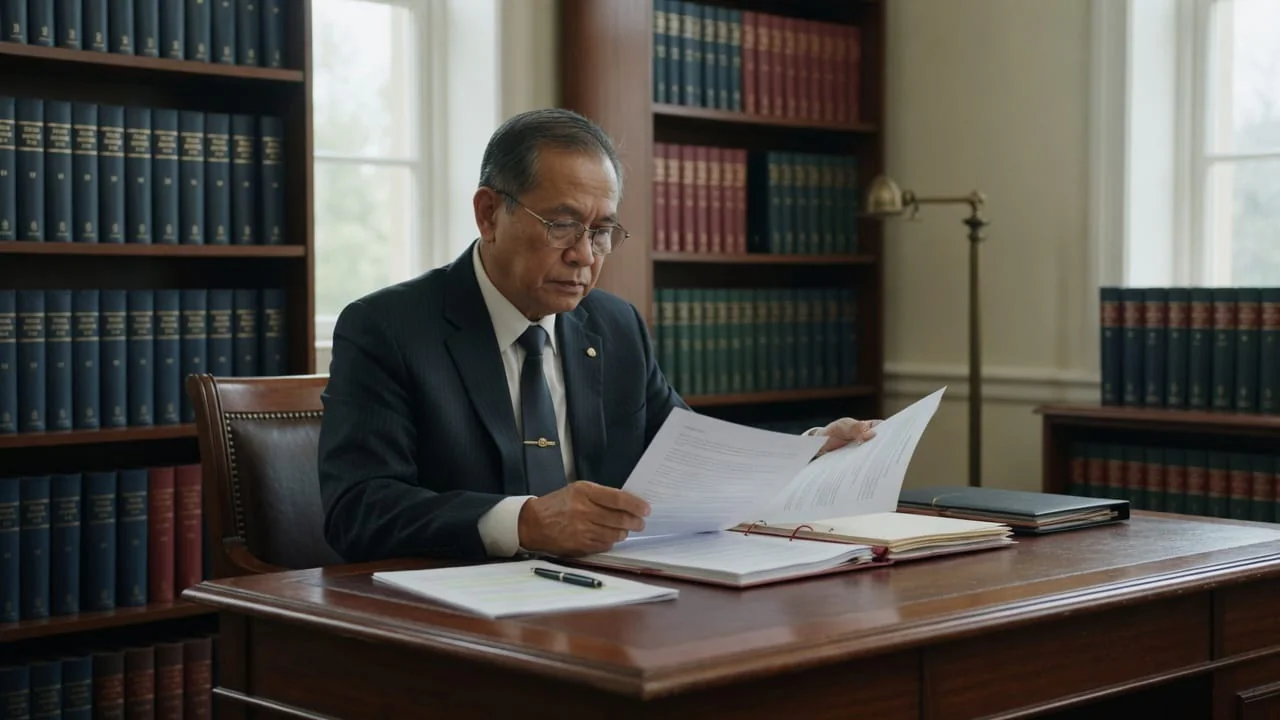
As a lawyer, I know the difference between legal information and service promotion. Our site ranked page one for several keywords — marketing was proud. I read the articles: CTA every three paragraphs, Latin terms without explanation, no disclaimer, no byline.
I would not sign that. AI engines — consistently — would not cite it either.
Marketing produced weekly articles. Keyword stuffing. Copy-paste across eight practice areas. “Free consultation” everywhere.
Rankings rose — from domain authority and legacy backlinks. Citation-worthiness did not — tone and structure were not reference-grade.
High promotional score — CTA density, superlatives, no primary sources.
No Attorney schema — engines did not know credentialed authors.
0 partner-reviewed cornerstones — all junior marketing staff content.
AI skip by design — generative engines reduce YMYL promotional citations (hallucination + liability risk).
Firm decision: pause weekly blog, allocate 4 partner-bylined cornerstones. Marketing feared traffic drop. Counter: traffic never cited to GCs does not enter RFP shortlists.
Typical patterns for mid-size law firms. YMYL Domination engagement patterns:
This is not a template for firms wanting “fast SEO” — it is for firms wanting safe citation.
Before Oura
Turning point
Before & after
Measured metrics
AI-cited practice areas
page-1 keywords
Relative scale for comparison — not absolute units.
The challenge
12-partner, 40-staff firm focused on corporate civil litigation and employment law. Classic SEO worked — 6 keywords on page 1, average #3–5. But when general counsel researched on ChatGPT/Perplexity for firm shortlists, this name never appeared. Feedback: web articles too promotional, no citable structure, no partner byline. Marketing wrote content; partners did not review. Ethics risk: overstated claims, no YMYL disclaimer.
The approach
Citation-worthiness audit — separate from ranking audit. Promotional vs extractability score.
4 practice-area cornerstones — partner byline, plain language, disclaimer, dateModified.
Attorney + LegalService + Organization schema — credentialed entity.
YMYL OAVF: factual FAQ, conversational query mapping, zero hype CTA in citation zones.
Compliance review loop — partner sign-off before publish, Atlas audit log.
Monthly AI citation monitoring — separate from SERP rankings.
Execution phases
Months 1–2
Promotional vs citation score. GC decision-query map. Partner workshop: what can be signed off.
Months 3–6
4 pages at 2,500+ words, partner byline, disclaimer, plain language, brief jurisprudence. Compliance sign-off each publish.
Months 7–9
Attorney entity, citation monitoring, iteration from real GC queries — not keyword volume.
Oura Atlas
Data from GSC & GA4 becomes a brief, execution runs through dry-run and backup, impact is measured — not wild production changes.
Relate?
“I won't sign off on 'SEO tricks' that make us look unserious. I want content I can stand behind professionally — that AI will cite because of it.”
“I research law firms on Perplexity. What I forward to the board has plain-language explanation and clear disclaimer — not a landing page with a WhatsApp button.”
Measured impact
AI-cited practice areas
page-1 keywords
AI referral in GA4
Explore more
Healthcare services / SMB
Measured impactNew clinic, 3 weeks live — 12 GSC impressions, 0 patients from Google
Professional services / Local B2B
Measured impactServices agency: capable on page 2 — prospects already have a ChatGPT shortlist
First step · free
Start with a Free Mini Audit — we map your fastest path.
Win on Google. Get cited by AI.
Step 1 / 3
1. About you
SEO
3 priorities
GEO
citation gap
AEO
schema check
12-partner, 40-staff firm focused on corporate civil litigation and employment law. Classic SEO worked — 6 keywords on page 1, average #3–5. But when general counsel researched on ChatGPT/Perplexity for firm shortlists, this name never appeared. Feedback: web articles too promotional, no citable structure, no partner byline. Marketing wrote content; partners did not review. Ethics risk: overstated claims, no YMYL disclaimer. This story shows how the Oura squad + Atlas handle similar profiles through the Oura Domination package.
This project ran on Oura Domination. Service scope was tailored to Legal services / YMYL — see the timeline and approach sections on this page for execution detail.
In YMYL, page-one ranking is not enough. AI cites what is trustworthy — credentialed, factual, not promotional. That is a different skill from classic SEO. Figures on this page come from real client data with publication permission (Measured impact badge).
It depends on technical foundation and competition. Technical fixes and quick wins often show in 4–8 weeks; organic momentum and AI referral usually need several months of continuous iteration.
See the sidebar summary — each case study links to the Oura package that ran it. A Mini Audit helps map the realistic tier for your context.