













CHAPTER 01 / BEFORE YOU BEGIN
Prepare your materials. Define the deliverables.
The SEO team, editors, and business owners determine the next page or article.
Starting materials
- List of customer services and needs
- Search Console queries when available
- Examples of search results for the topics reviewed
What you will prepare
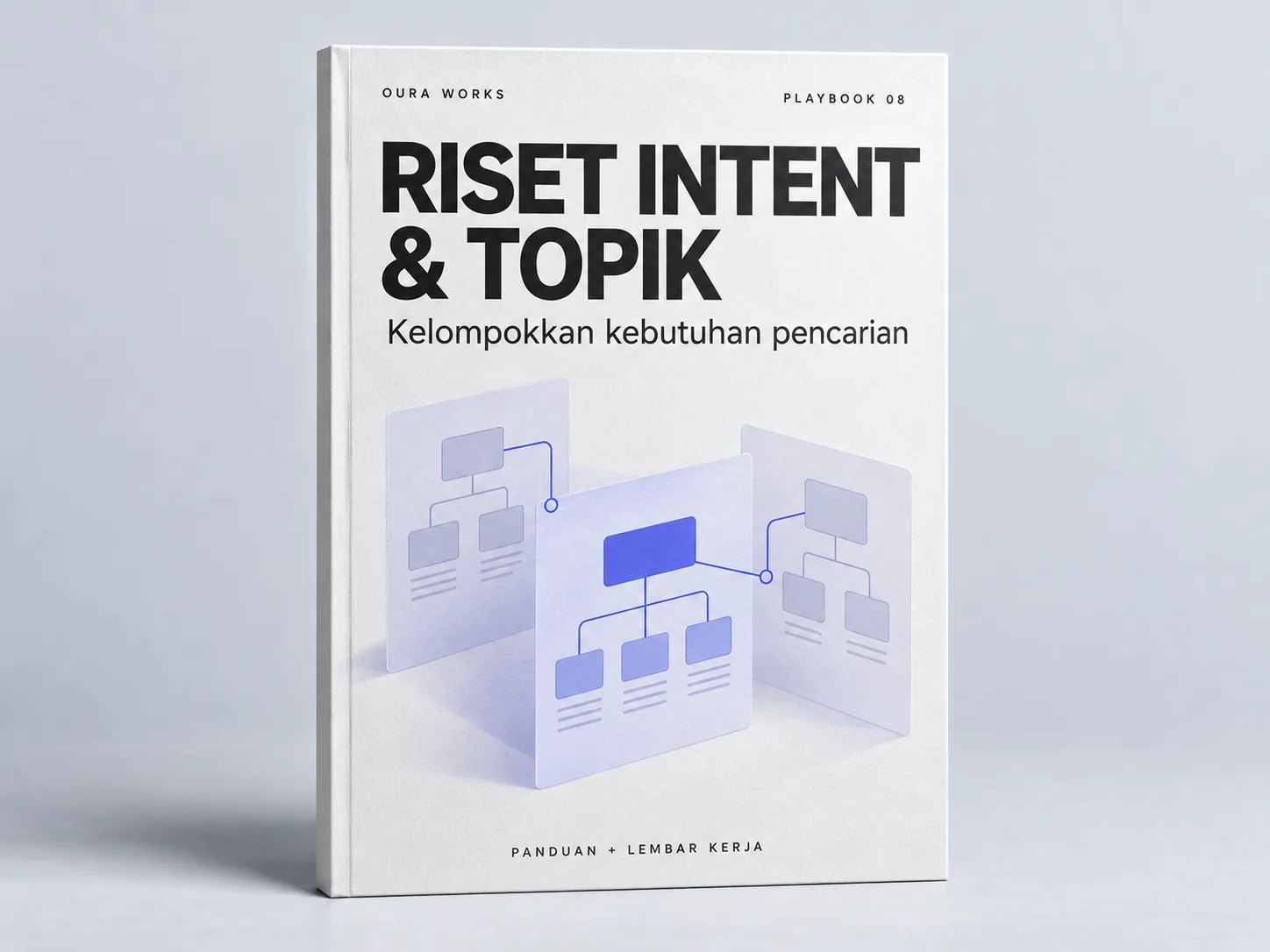
Intent maps, topic clusters, and content priorities.
Use it as material for decisions and discussions, then adjust the work limits to your conditions.
Starting from one page, one process, or one most important need. Note unknowns as questions; Don't force answers just to make the worksheet look finished.
CHAPTER 02 / WORK STEPS
Work in a clear order.
Collect the languages customers use
Take terms from inquiries, sales conversations, customer support, and searches that are already generating visits. Note the context: who is asking and what decision is being made. Volume from keyword tools can help with comparisons, but is not proof of purchasing power or guarantee of demand.
Read the requirements behind the query
“Website pricing” can mean finding a cost range, comparing scope, or setting up a budget. Check the search results to understand common answer forms, then make sure you're still providing useful value. Label the intent as a hypothesis if the evidence is not yet strong; don't conclude all short queries are transactional.
Group them based on the answers required
Combine questions that can be answered by one coherent page. Separate when the needs, evidence, or processes are different. A single article can support a service page without copying its contents. Create internal relationships based on context; no need to repeat the anchor exactly the same in every paragraph.
Choose priority from benefits and capabilities
Consider the relevance of the service, unanswered questions, available evidence, and updateability of the content. Prioritize work that can be completed with good quality. After publication, review the query and quality of inquiry for an adequate period. Don't publish city pages or keyword variations whose content is nearly identical.
CHAPTER 03 / EXAMPLE SURGERY
Connect steps to real decisions.
Enterprise website provider practice: some questions about costs can be in one guide, while integration specifications require their own explanation.
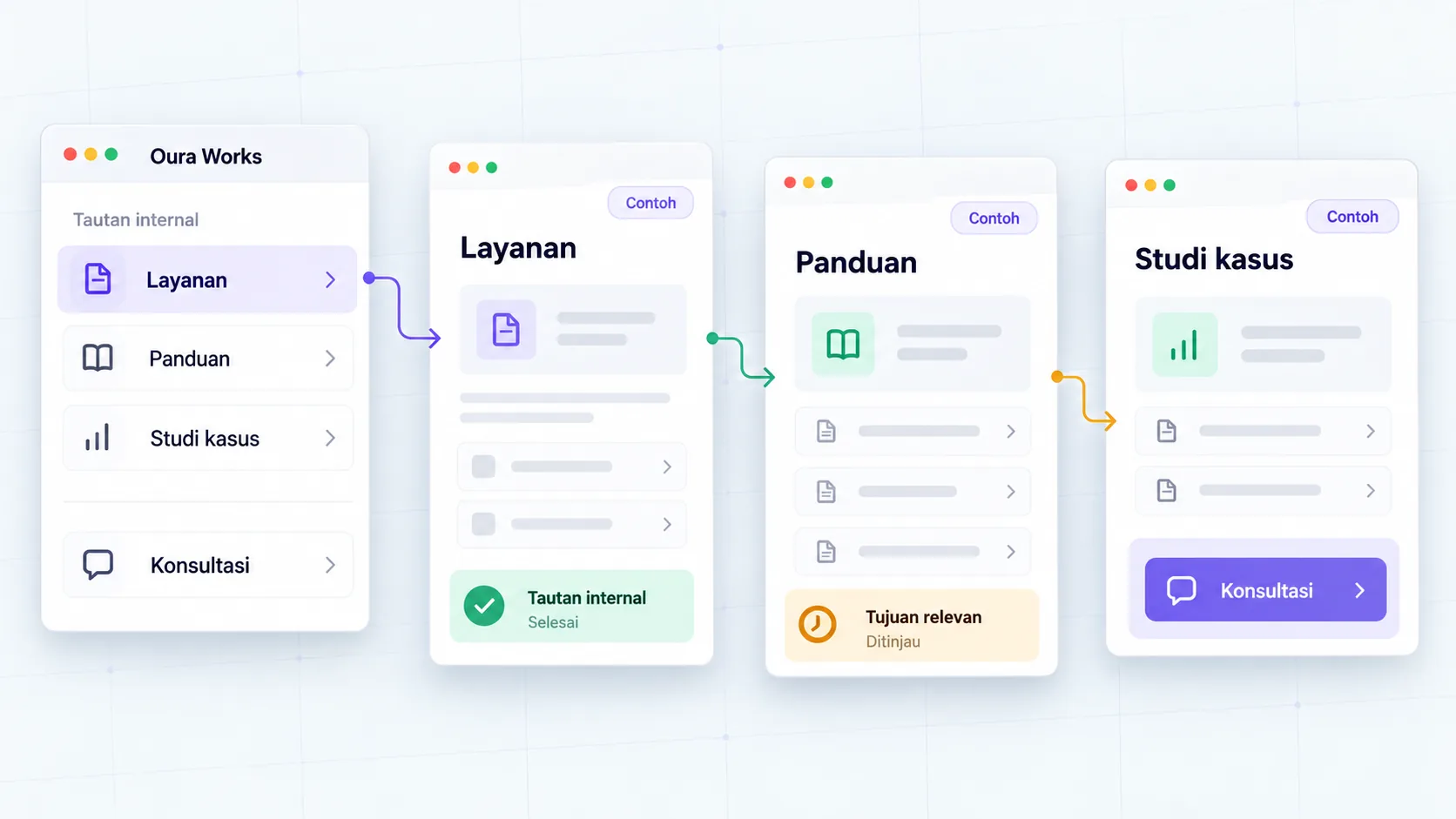
| Query/question | Interpreted needs | Content objectives |
|---|---|---|
| Company website costs | Understand cost and scope factors | Budget guide |
| What do you prepare before creating a website? | Reduce project ambiguity | Playbook briefs |
| Website integration into CRM | Assess feasibility and data flow | Integration page |
| Examples of similar project results | Check relevant experience | Case studies with context |
Replace the example lines with your business conditions. Mark information that already has evidence, that is still an assumption, and that needs to be asked of the person in charge.
CHAPTER 04 / REVIEW POINT
Avoid decisions that seem right, but have not been tested.
Create one page per keyword
Group similar needs together and avoid variations that don't add value.
Choose topics only from volume
Suitability of service and quality of answers often determines usability for business.
If a decision impacts costs, access, data, or other teams' work, list the parties who need to approve it. Explain the evidence that is available and the extent of information that remains to be examined.
CHAPTER 05 / WORKBOOK
Make your plans here.
Fill in concisely and specifically. For information that is not yet available, write who needs to be asked for confirmation. These notes are not sent by the Playbook feature to Oura; download before the tab closes.
Do not enter passwords, access tokens, or personal customer data. Temporary storage follows the browser tab session, not the Oura account.
CHAPTER 06 / BEFORE SUBMISSION
Check your job readiness.
This checklist records the tasks you marked. It is not an audit score, certification, or automatic assessment of a website.
Frequently asked questions
Do you need a paid keyword tool?
Not always to start with. Customer data, Search Console, and observations of search results can form an initial map.
When does a cluster need to be split?
When the reader needs a different answer, proof, or action; not just because the terms are different.
Referral & usage limits
References checked on October 2, 2026. Steps, examples and worksheets are Oura editorial formulation with the help of AI and public references. Examples are not client results. The guide does not guarantee business results and does not replace a dedicated examination of your systems.