















Choose SEO services in Jakarta by scope fit and work evidence, not first-page guarantees. Start with business problems, data access, and implementation responsibilities. This guide helps compare proposals and reports without prescribing universal market prices or results timelines.
Updated 5 October 2026. Examples and simulations are distinguished from measured client results.
What makes an SEO service measurable?
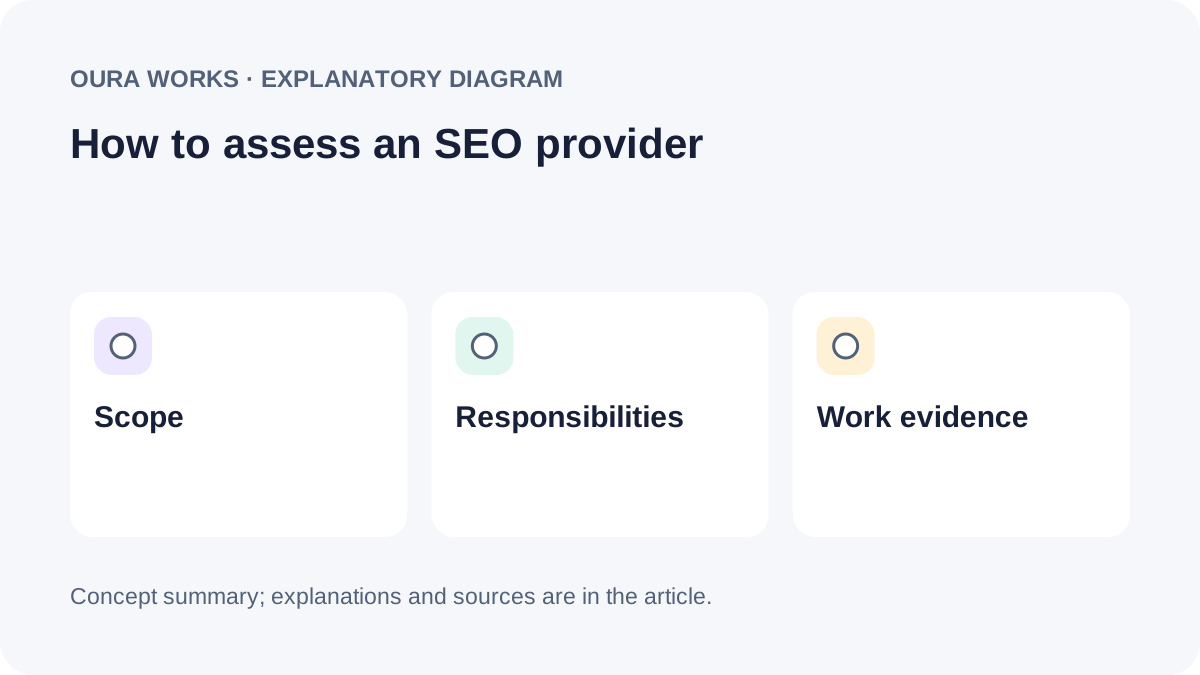
A measurable service defines problems, actions, owners, and acceptance criteria. A canonical correction has implementation evidence; additional inquiries require separate definitions and reporting. The contract should distinguish vendor-controlled work from search and business outcomes influenced by many factors.
Assessing Jakarta competition with data
Competition depends on services, locations, language, and intent. “Jakarta” does not prove every query is harder than in another city. Ask for search-result examples for priority questions, the page types shown, and why your page is relevant. Claims about the best agency or densest market are not substitutes for analysis.
Twelve questions before signing a contract
Use the following questions for every candidate. Record answers, supporting documents, unresolved points, and the approver. Not every vendor needs to handle every area, but work outside scope needs an owner. Give candidates the same brief so proposals can be compared.
Related reading: Briefing and acceptance criteria; Choosing SEO priorities.
1. Request a traceable audit example
Ask for URLs, dates, findings, evidence, priority, and proposed actions. An example may be anonymized without exposing client data. Distinguish initial analysis from checks not yet performed, including field performance or AI citations.
2. Ask about technical checks
Discuss crawling, indexing, canonicals, redirects, rendering, and page functionality. Ask how changes are verified in staging and production. Tool names do not establish a diagnosis; request a connection between findings and buyer problems.
3. Confirm data ownership and access
The business should retain appropriate access to GSC, analytics, hosting, and used assets. Define minimum vendor permissions, credential handling, and access removal at contract end. Screenshot reports do not replace legitimate access to the sources.
4. Identify writers and subject reviewers
Ask who writes, verifies service claims, and approves publication. AI-assisted content still requires source and meaning checks. For specialist services, subject owners should review limitations and publishable information.
5. Check relevant local understanding
For location businesses, check understanding of GBP, profile eligibility, addresses, hours, and branch information. For national B2B firms based in Jakarta, procurement questions may matter more than city pages. Follow customers rather than a generic city list.
6. Agree on change controls
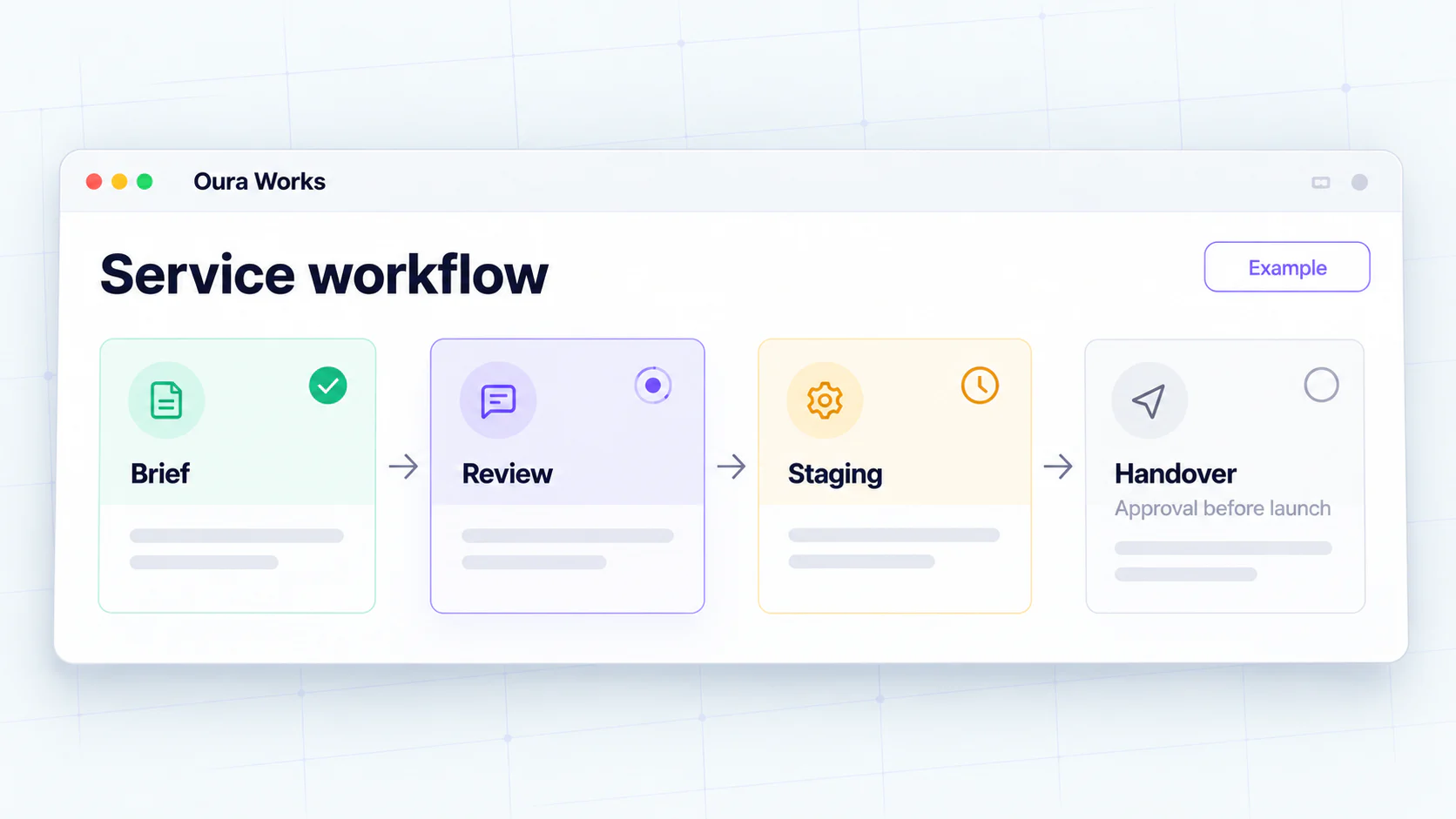
Define backups, reviews, staging when needed, and rollback. Vendors should not change forms, measurement, service content, or URLs outside the agreed decision process. Change records help diagnose incidents.
7. Separate delivery targets from outcomes
Initial targets may include accepted audits, deployed fixes, or tested events. Track impressions and leads against a clear baseline and period rather than guaranteeing growth in 90 days. Clarify access and review dependencies before setting dates.
8. Review the contract and exit process
The contract should define deliverables, revisions, third-party costs, asset rights, access, payment terms, and handover. Ask what you receive when the engagement ends. Low or high prices do not establish quality; compare scope and responsibilities.
9. Define AI visibility scope
If AI is included, request products, modes, questions, languages, repetition rules, and source-recording methods. Brand mentions, URL citations, and identifiable visits are separate KPIs. No paragraph length or schema guarantees recommendations.
10. Read case studies with their limitations
Check the starting point, method, scope, period, and source. Do not equate rankings with revenue. Anonymous summaries can be useful, but unavailable data must be disclosed. Use cases to understand decisions rather than copy outcome targets.
11. Assess the stack against requirements
WordPress, static HTML, and other frameworks suit different requirements. Discuss source constraints, editorial access, deployment, security, and maintenance. Do not accept claims that a technology automatically ranks better.
12. Start with a clear diagnosis
An initial audit helps define scope, but free does not mean exhaustive. Ask which pages are checked, what method is used, what you receive, and whether human review is required. Oura’s active consultation pages explain next steps according to your requirements.
Jakarta SEO or national SEO?
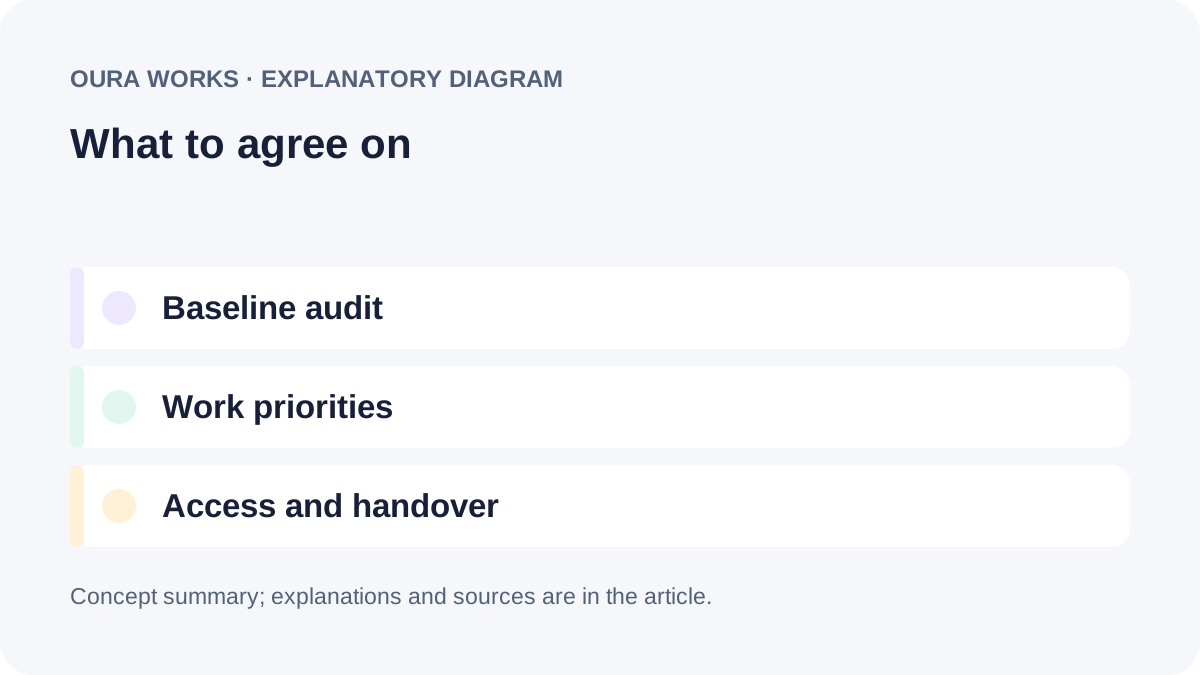
Choose geography from customers and actual operations. A Jakarta office does not automatically require many city pages or a local profile for an ineligible business. If services vary by location, provide genuinely specific information and correct contact routes.
Related reading: Local eligibility and information; Understanding vendor evaluation.
Reports that can be checked
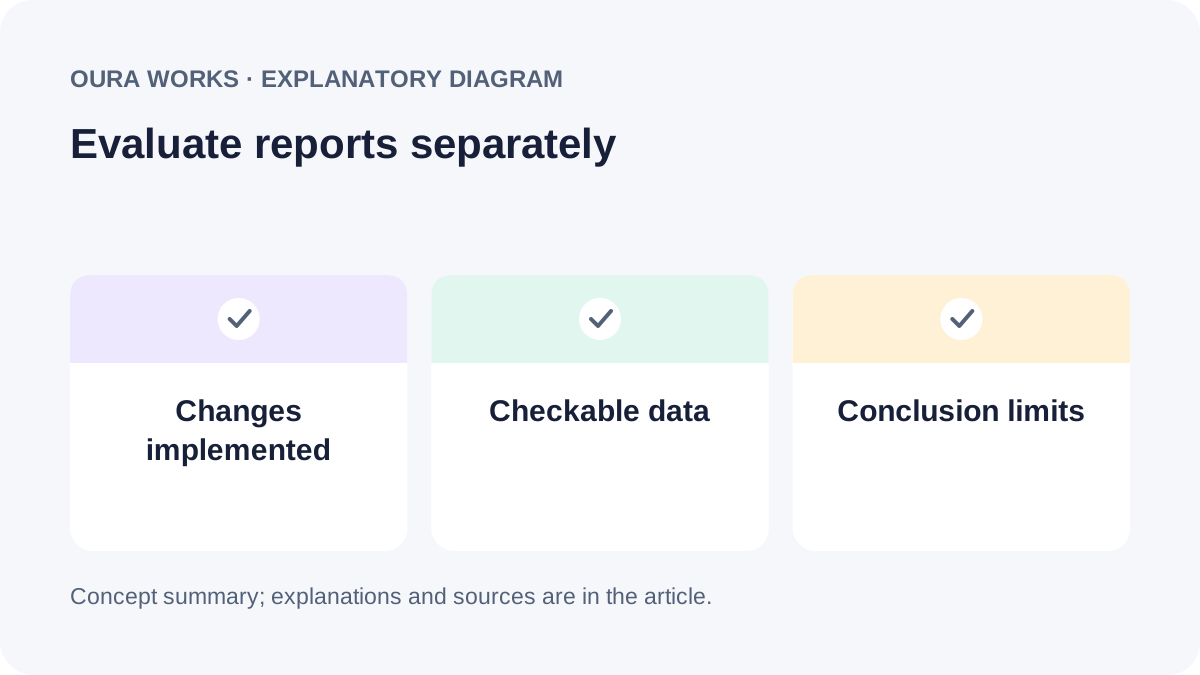
Useful reports show sources, definitions, periods, changes, and next decisions. No metric is impossible to falsify; source access and consistency checks reduce risk. Separate delivery progress, search performance, and sales outcomes.
Google Search Console
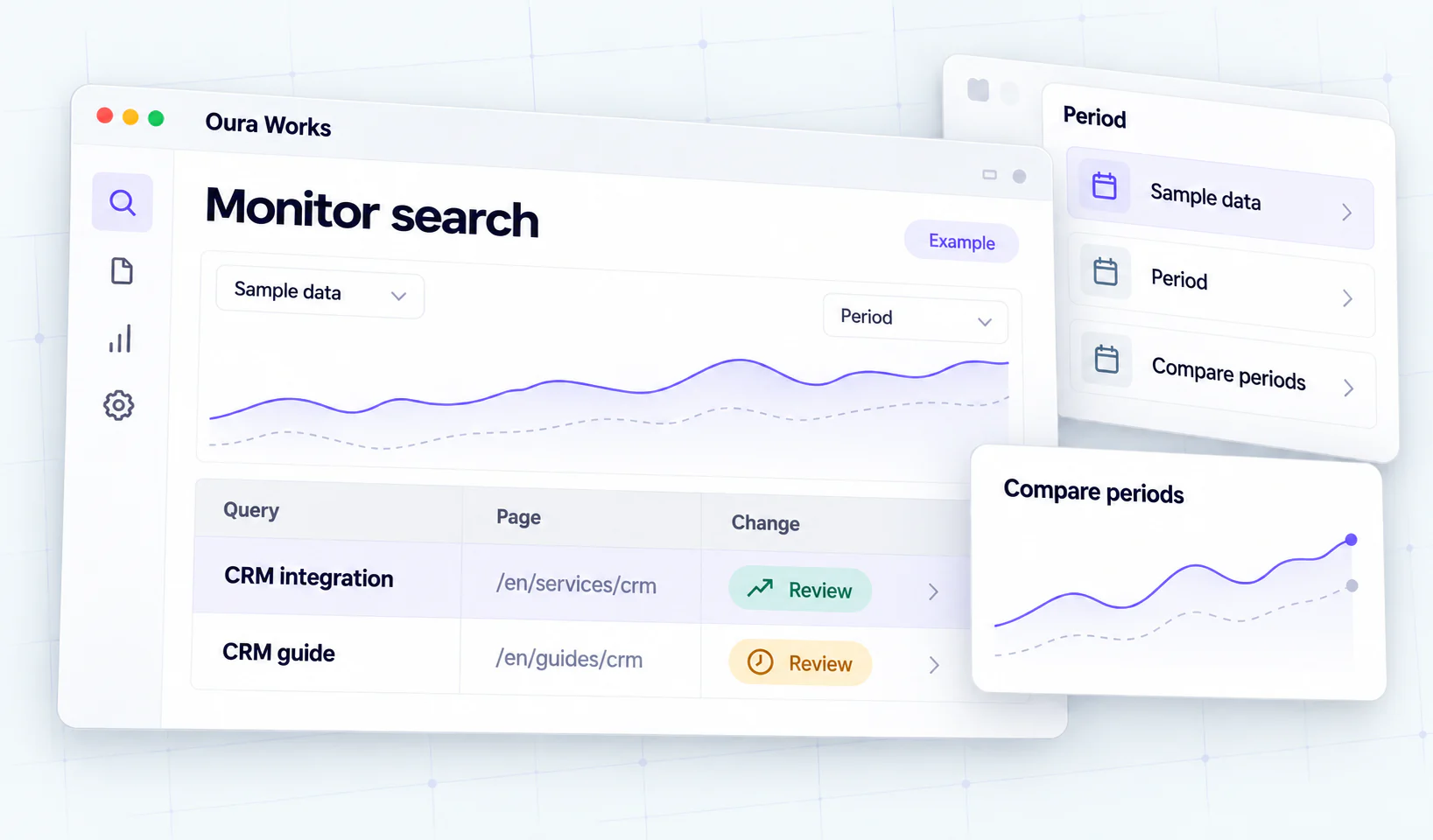
Review queries and pages, devices, countries, impressions, clicks, and CTR over comparable periods. Average position is not a fixed ranking. Separate branded and non-branded queries where the method permits. Check URL changes during migrations before interpreting declines.
GA4 and received inquiries
Organic visits and contact events do not prove leads. Ensure generate_lead follows a valid received form or an agreed definition. Compare analytics with the receiving system and disclose consent, blocking, and deduplication limitations.
Related reading: Lead definitions and verification.
Core Web Vitals
Separate lab and real-user data, devices, and URL versus origin data. Evaluate LCP, INP, and CLS using correct thresholds; a Lighthouse score does not establish field status. Request diagnosis and post-optimization functional checks.
AI citations and identifiable referrals
Save responses, source links, products, modes, dates, and questions. Count mentions and URL citations separately. Visits from identifiable AI sources do not represent all exposure and do not prove a particular answer produced an inquiry.
Choosing Oura service scope
The pricing page uses UMKM, Mid-sized Business, and Corporate categories. Match the offer to agreed website, SEO, content, advertising, or integration requirements. The proposal governs scope, costs, access, and delivery dates. Do not use retired plans as evidence of features or guaranteed outcomes.
Changing vendors: preserve continuity
Inventory access, source code, domains, measurement, redirects, and outstanding work. Save a baseline before changes. Do not delete all content or restructure URLs just because the agency changes. Define what must be retained, improved, and verified after handover.
Quick questions before a consultation
What is the main business problem? Who owns the website and data? Which pages matter most? Which changes need approval? What evidence is sufficient to accept the work? These answers are more useful than requesting a ranking guarantee without context.
Next steps
Prepare a brief and permitted access, then compare proposals with the same checklist. Discuss findings, dependencies, and implementation owners before signing. Choose a partner that explains limitations and provides verifiable work.
Frequently asked questions
How much do Jakarta SEO services cost?
Costs depend on scope, website condition, content, access, and implementation responsibilities. Request an itemized proposal and third-party costs; this guide does not set a market benchmark.
Does a premium price guarantee quality?
No. Check competence, evidence, change controls, asset ownership, and promised deliverables. Compare equivalent scope.
How long do SEO results take?
There is no universal timetable. Starting conditions, competition, crawling, access, and review affect results. Separate delivery deadlines from monitored growth.
Does a national target require a Jakarta page?
Only when Jakarta-specific information is useful and reflects actual operations. Do not create location pages without a reader need.
How should I evaluate a vendor?
Review accepted work, GSC data, valid inquiries, and other scoped tests. Reports need periods, sources, and metric definitions.
When should I start with an initial audit?
When condition or scope is unclear, particularly before migration or handover. Confirm the audit’s limits and deliverables.