






Claude visibility should be tested in a web-enabled experience, not inferred from model capabilities or one response. This guide distinguishes search access, user-triggered retrieval, and training collection. Clear content helps readers; no format guarantees that Claude recommends your business.
Updated 5 October 2026. Examples and simulations are distinguished from measured client results.
What should you distinguish when testing Claude?
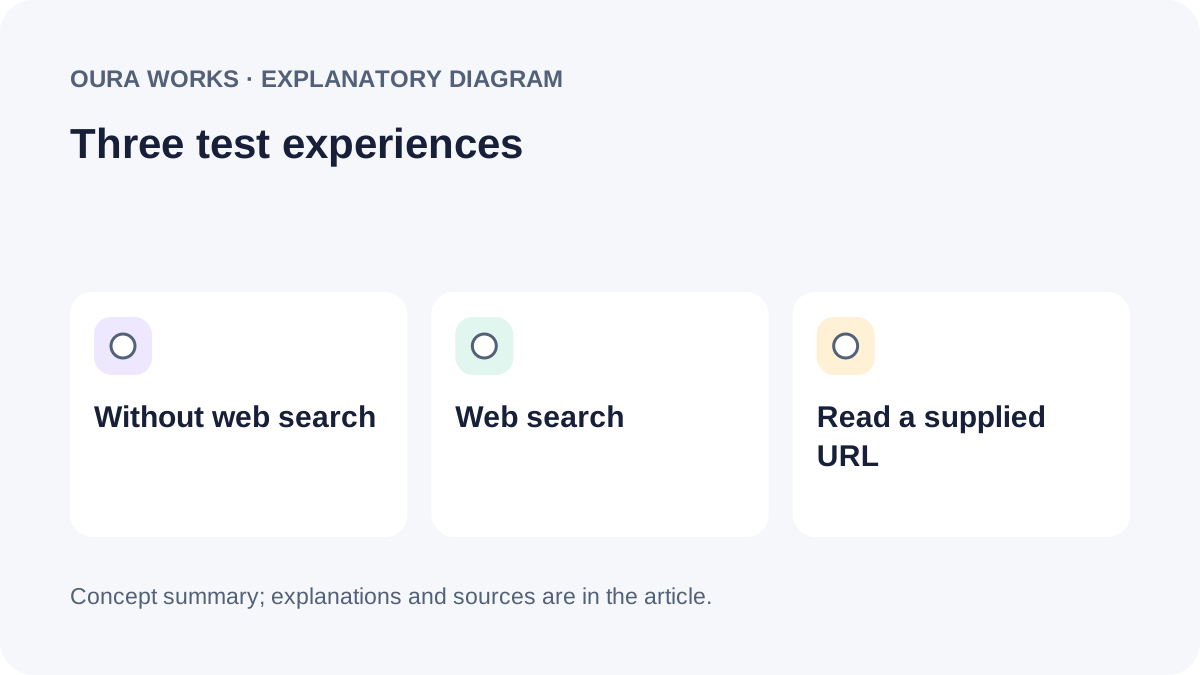
A question without web access, web search, and a request to read a URL are different tasks. An answer from an uploaded document does not prove search discovery of the website. Record the feature used and whether sources appear. Do not assume Claude always prefers more technical sources than other products; that claim needs an experiment with a defined method and sample.
A checklist for verifiable information
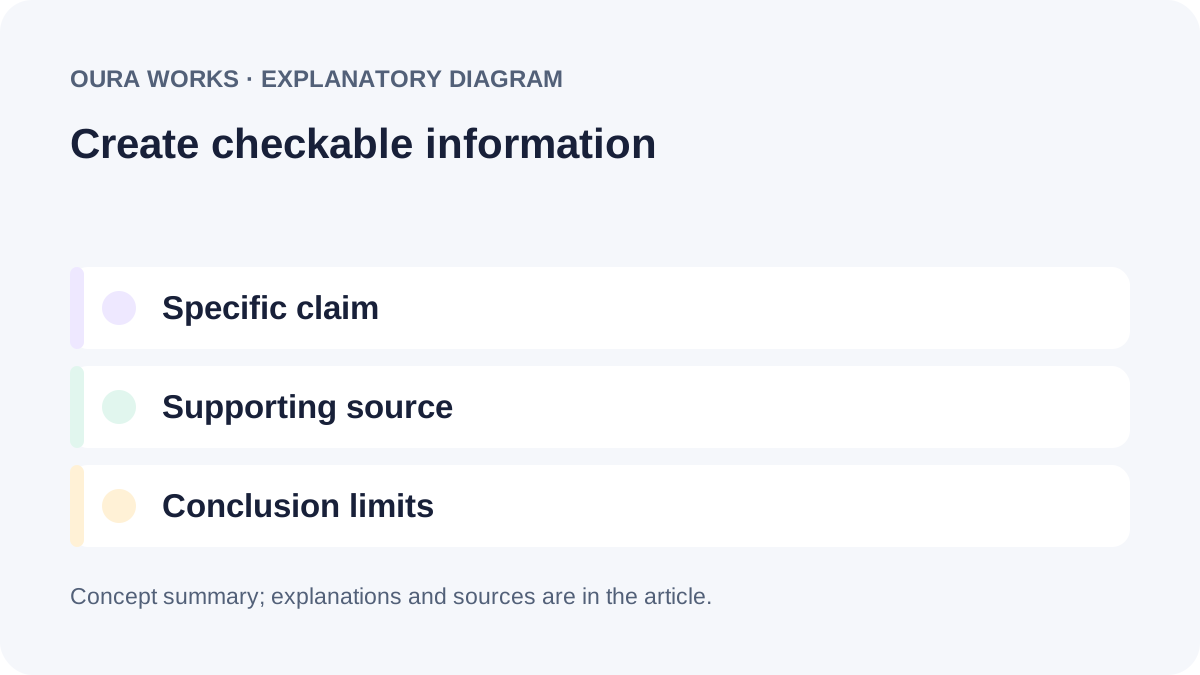
| Component | Check | Owner |
|---|---|---|
| Identity | Business and service names are unambiguous | Business owner |
| Claims | Sources and limitations are available | Subject reviewer |
| Page | Answers and details are readable | Editor |
| Contact | Inquiries reach the correct destination | Operations |
Related reading: Clear service content; Actual buyer questions.
Page structure that helps readers
Start with service fit, then explain scope, process, limits, evidence, and next steps. Place sources near claims that need them. Tables are useful when readers compare options. This is editorial advice, not a proven engine preference; no passage size or FAQ count guarantees citations. Illustrative scenario: a service summary distinguishes the offered audit from implementation that is outside scope.
Robots and crawlers: three different roles
| Agent | Documented role |
|---|---|
| ClaudeBot | Collection for possible training |
| Claude-SearchBot | Discovery for search |
| Claude-User | User-triggered retrieval |
Review each rule according to the business’s decisions. Training permission does not establish search availability. Also inspect security challenges and server responses. Verify source addresses against Anthropic documentation before claiming an actual bot visit; a self-generated agent request only tests an access path. Anthropic bot documentation.
A protocol for testing mentions and citations
Define buyer questions, language, web feature, account context, and repetition rules. Use new sessions when appropriate to the design and disclose uncontrolled context. Save responses, dates, source URLs, and representation errors. Separate brand mentions, website citations, and explicitly requested URL reading. Compare the same sample after changes and retain tests with no appearance.
Connecting tests to content decisions
If information is inaccurate, inspect the used sources before editing a page. If a page is absent, distinguish access problems from unknown source-selection decisions. One product test belongs within wider evaluation rather than requiring every article to target Claude. Define information owners and the decision each finding will support.
Related reading: Priorities across search experiences; Visits and valid inquiries.
When is technical or editorial support useful?
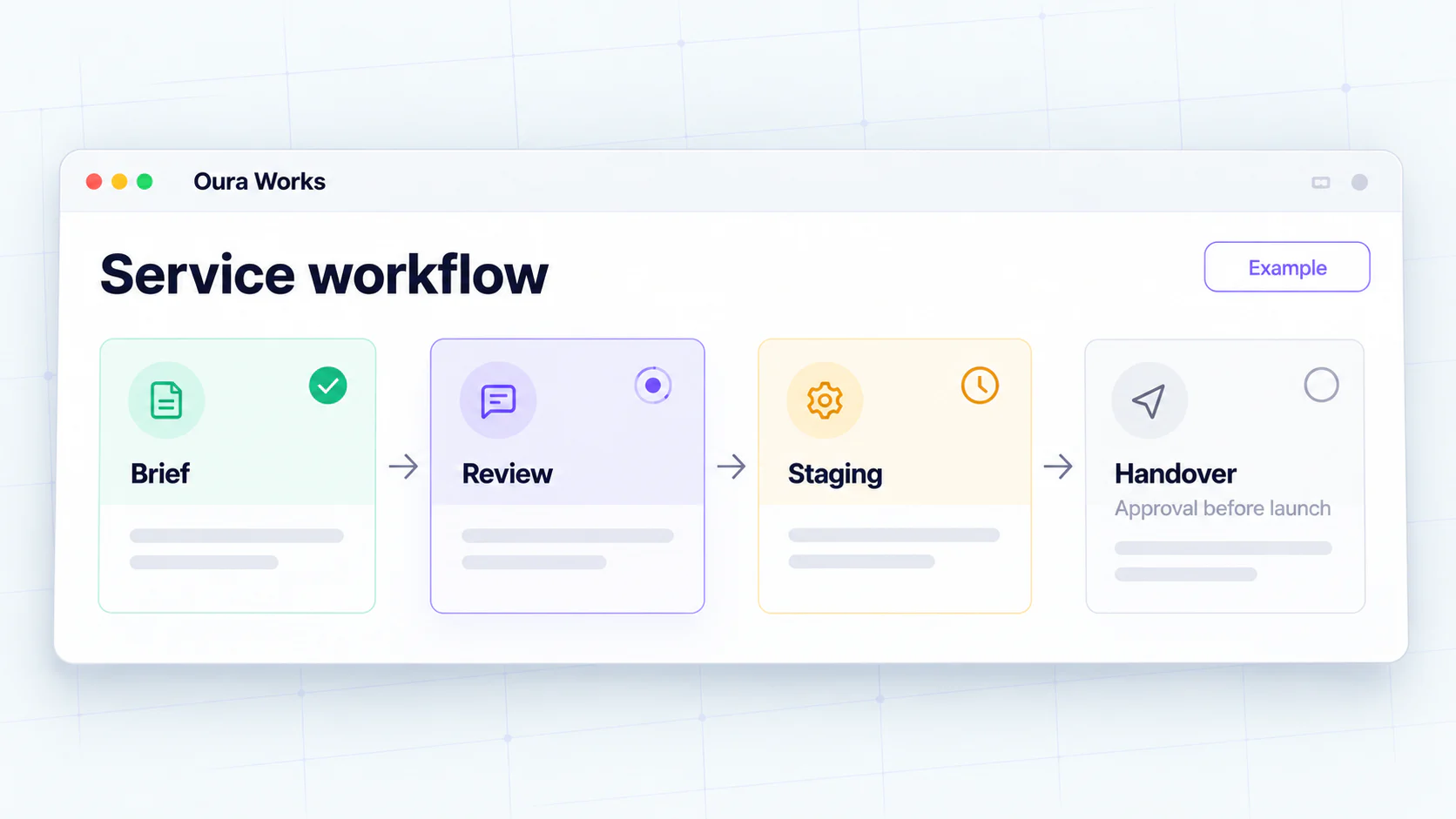
Seek support when bot access needs diagnosis, claims need review, or testing is inconsistent. The brief should identify pages, crawl permissions, required evidence, and change limits. Oura Atlas is a process from data to verification; it does not control Claude answers or imply automated monitoring outside the proposal.
Primary references
Frequently asked questions
What is Claude visibility?
An observation of how a brand or URL appears in Claude responses for particular features and questions. Report web features, dates, and methods; results do not represent every user.
How should I start testing?
Choose buyer questions, define the web feature, save responses and sources, and separate brand mentions from URL citations.
Must I allow ClaudeBot?
ClaudeBot concerns possible training. Search and user retrieval use different agents; follow the business decision and each agent’s documentation.
How do Claude and ChatGPT tests differ?
Products, web features, agents, context, and source presentation may differ. Use comparable questions while recording those differences.
Does Oura guarantee brand mentions?
No. Tasks and acceptance evidence can be agreed, but platform answers remain outside a service provider’s control.