
















To assess Perplexity visibility, inspect page access and sources in actual tested responses. This guide focuses on crawler roles, user-triggered retrieval limits, source quality, and citation protocols. An accessible or recently updated page is not automatically selected as a source.
Updated 5 October 2026. Examples and simulations are distinguished from measured client results.
Why should you inspect sources directly?
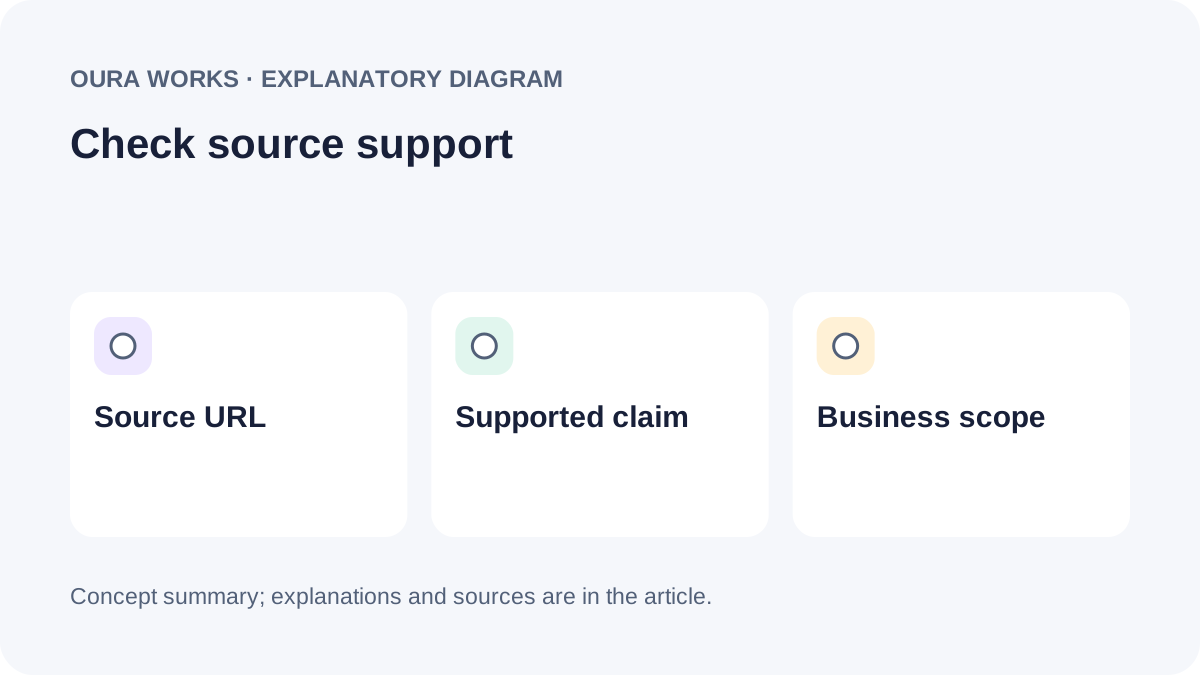
In responses with source links, readers can open pages and check whether they support claims. A citation does not endorse the whole business, and a homepage link does not prove a particular product was compared. Illustrative scenario: an answer cites a vendor’s procurement guide without including that vendor in its provider list. Record these outcomes separately.
A Perplexity access checklist
| Agent | Role | Check |
|---|---|---|
| PerplexityBot | Search discovery and links, not foundation-model training | Robots and server access |
| Perplexity-User | User-triggered retrieval | URL responses and security rules |
Perplexity’s documentation says user-triggered fetches generally ignore robots.txt. Robots is not an access control for private material. For WAF checks, match the agent with current official source addresses; agent names can be imitated. Inspect logs, response status, and challenges to distinguish genuine crawler access from your own test request. Perplexity crawler documentation.
Information worth using as a source
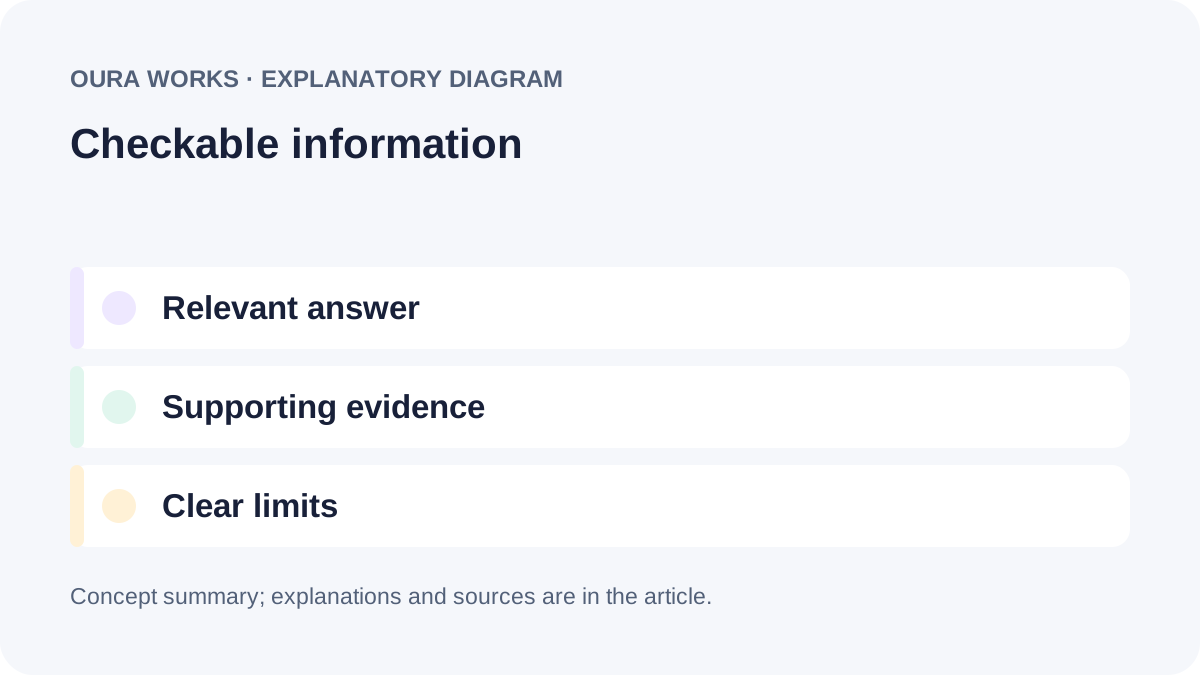
Provide relevant answers, scope, evidence, and limitations. A source should support the specific claim rather than merely link to a vendor homepage. Label illustrations and internal data accurately. These are reader-oriented editorial principles, not a 200–400-word passage rule or a guaranteed platform preference.
Related reading: Service content and evidence; Customer questions.
Update according to substance
Update hours, services, rules, or sources when they change. Modification dates should reflect substantive work supported by a change record. New content is not always more relevant than older documentation that remains valid. Do not promise that monthly updates improve citations; test changes against the same sample and disclose causal limitations.
Communities and third-party information
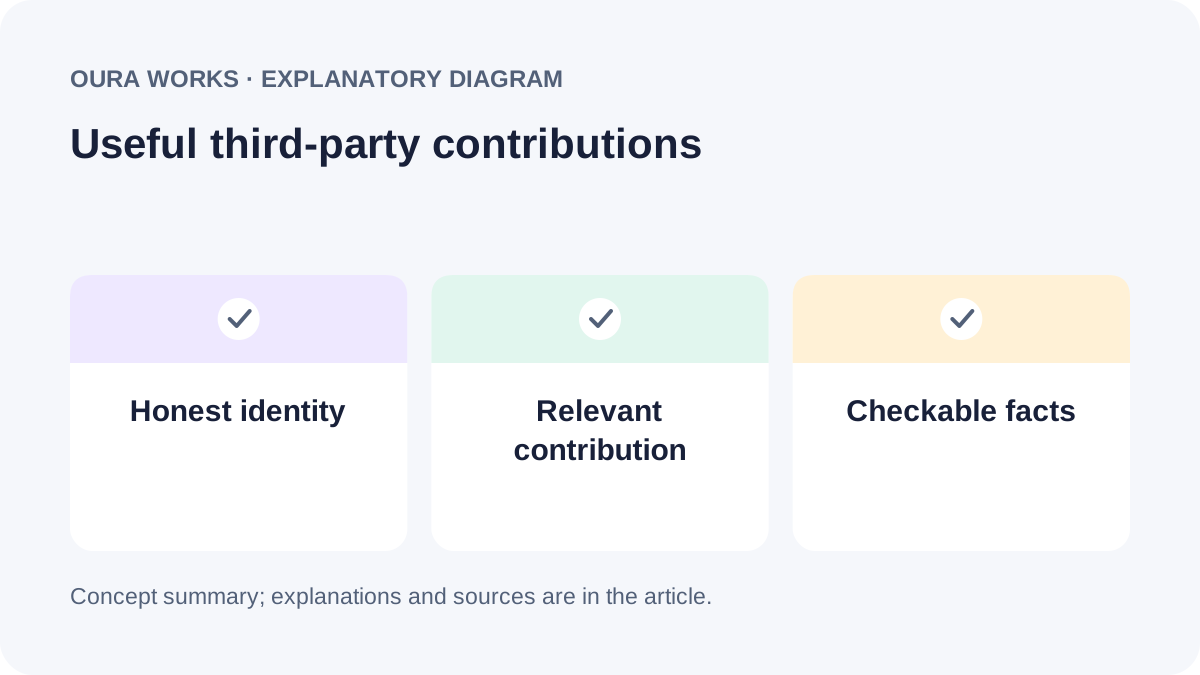
Contribute relevant material with honest identity. Do not fabricate accounts or quotations to increase mentions. Community sources may appear in a response, but one source list does not establish a permanent preference for Reddit or another forum. Check facts and permission before using conversations as service evidence.
A Perplexity citation-test protocol
| Stage | Required record |
|---|---|
| Design | Questions, language, mode, chosen source filters |
| Collection | Date, session, full response, source URLs |
| Classification | Brand mentioned, URL cited, inaccurate claims |
| Review | Page changes and consistent repetition rules |
Open sources and check the claims they support. Keep failed responses and those without citations, and report the denominator. Reading a URL you supplied is not an unaided discovery test.
From citations to verifiable inquiries
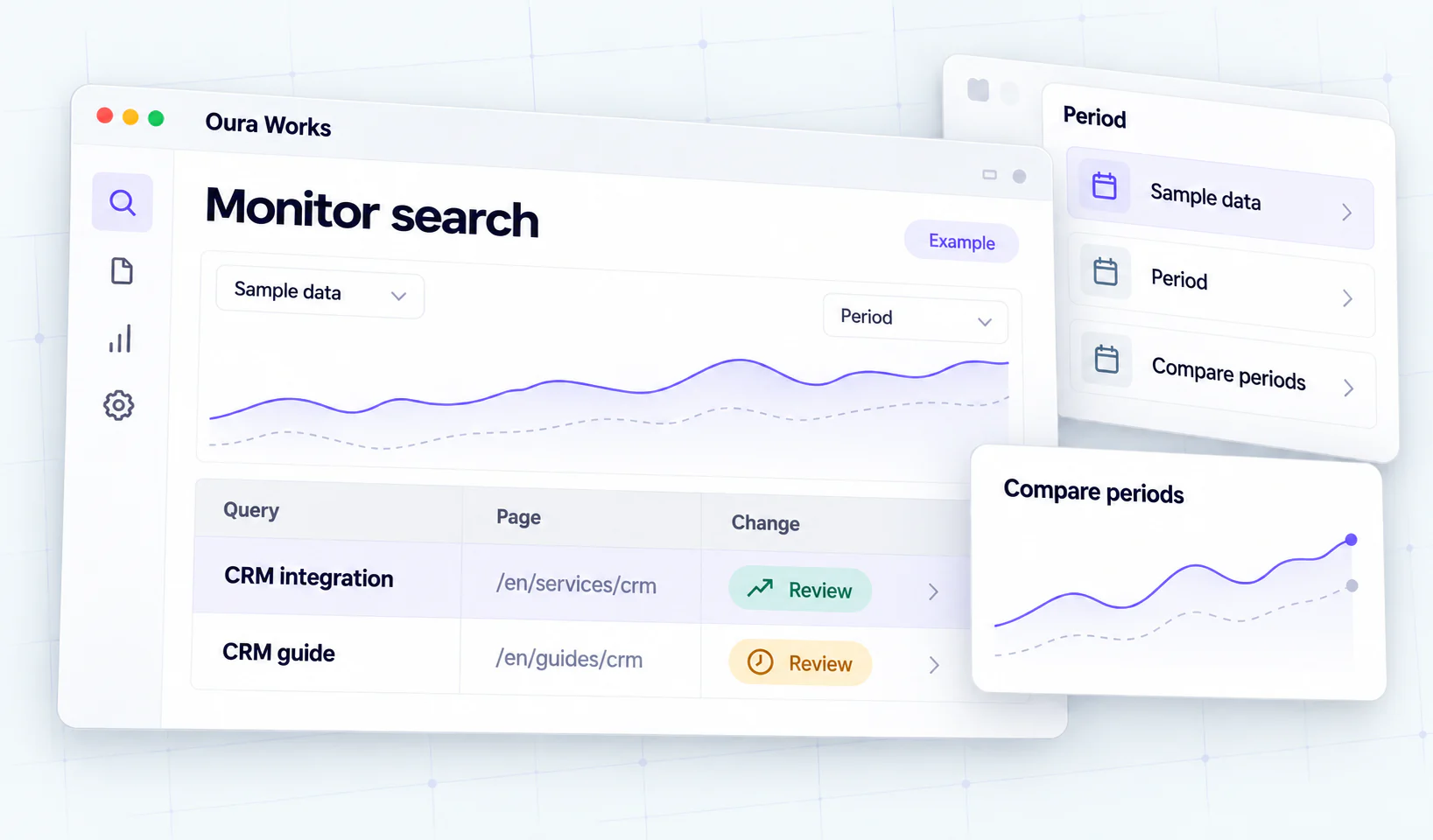
Connect source pages to relevant services and clear contact steps. Monitor identifiable referrals and valid inquiries without calling them the total influence of Perplexity. No universal results timetable or ROI applies. If support is needed, define access, content, and measurement tasks with acceptance criteria.
Related reading: Valid lead measurement; SEO and AI priorities; ChatGPT Search testing.
Primary references
Frequently asked questions
How should I start testing Perplexity?
Choose buyer questions, define mode and filters, save responses and source URLs, then inspect cited content.
What is PerplexityBot?
An agent for Perplexity search discovery and result links. Documentation distinguishes it from user-triggered retrieval and says it is not for foundation-model training.
Is new content easier to cite?
There is no guarantee. Relevance, sources, and question needs still require checking. Update changed facts rather than only dates.
Do communities guarantee recommendations?
No. Authentic contributions may help readers but do not establish permanent source preferences or guarantee recommendations.
How do Perplexity and ChatGPT Search tests differ?
Agents, modes, sources, and response presentation differ. Keep questions comparable while documenting product and feature differences.