
















Measurable impact • Local clinic • 4 months • Updated October 2, 2026
New clinic: clarifying services and local visibility

Oura Works
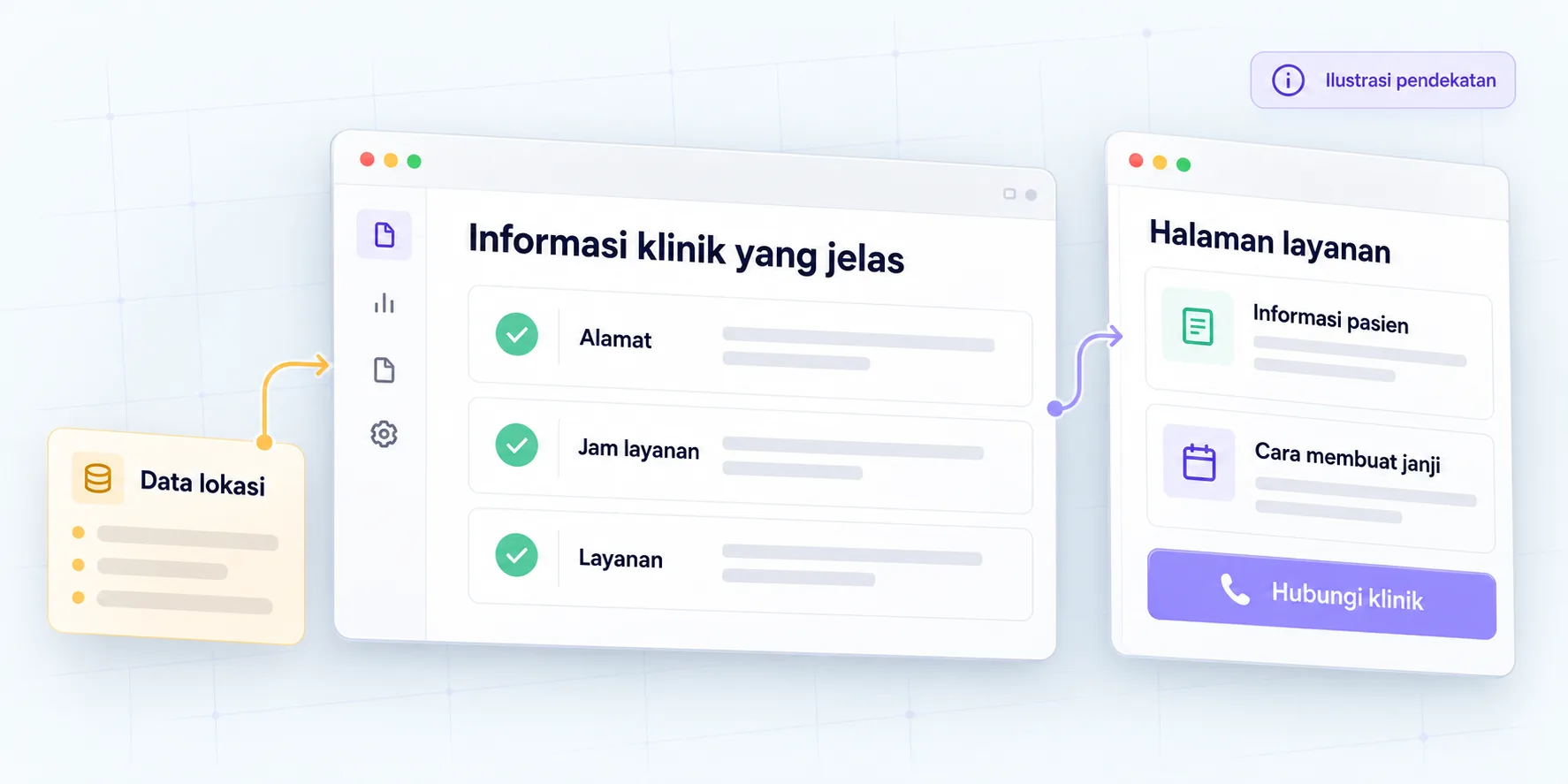
Location data and clear service pages help prospective patients find information before making an appointment.
This story refers to an anonymous engagement published by Oura. The analysis, decision matrix, illustrations, and checklist below are editorial implementation guidelines; not copies of client documents or additional unattested results.
Summary of work and evidence
| Aspect | Publication summary |
|---|---|
| Sector | Local clinic |
| Period | 4 months |
| Initial conditions | The clinic's website has launched, but organic search and location visibility is still low. Business information on several channels is not yet aligned. |
| Jobs | The team aligns the name, address, hours of service, and business profile. Three service pages are structured to answer patient questions, with business markup and AI referral measurements. |
| Results reported | The Oura publication noted that four priority local queries began to appear in the third to fourth month. This development is read in the context of the location, period and initial conditions of the clinic. |
| Evidence label | Measurable impact, following Oura publication |
Oura engagement source. Raw data and all test conditions are not available in the public summary. These results need to be read with the initial period and conditions; is not an estimate of results for other businesses.
Why won't a new website necessarily help patients find a clinic?
Newly published websites do not have the same history as providers that have been known for a long time. In addition, potential patients can start their search from the service name, location, opening hours, or how to register. When the business profile and website provide different answers, patients need to contact the admin just to confirm basic information.
A reasonable priority would be to improve the certainty of information before reproducing the article. One correct contact number, address that can be found, and agreed service hours are more useful than lots of pages that don't have anyone in charge. These recommendations relate to service communication, not medical judgment of actions or health personnel.
Separate clinic hours and practice schedules if they are different. If the service requires an appointment, explain how to make an appointment and confirmation steps. Avoid saying that facilities are available all the time if operations cannot fulfill them.
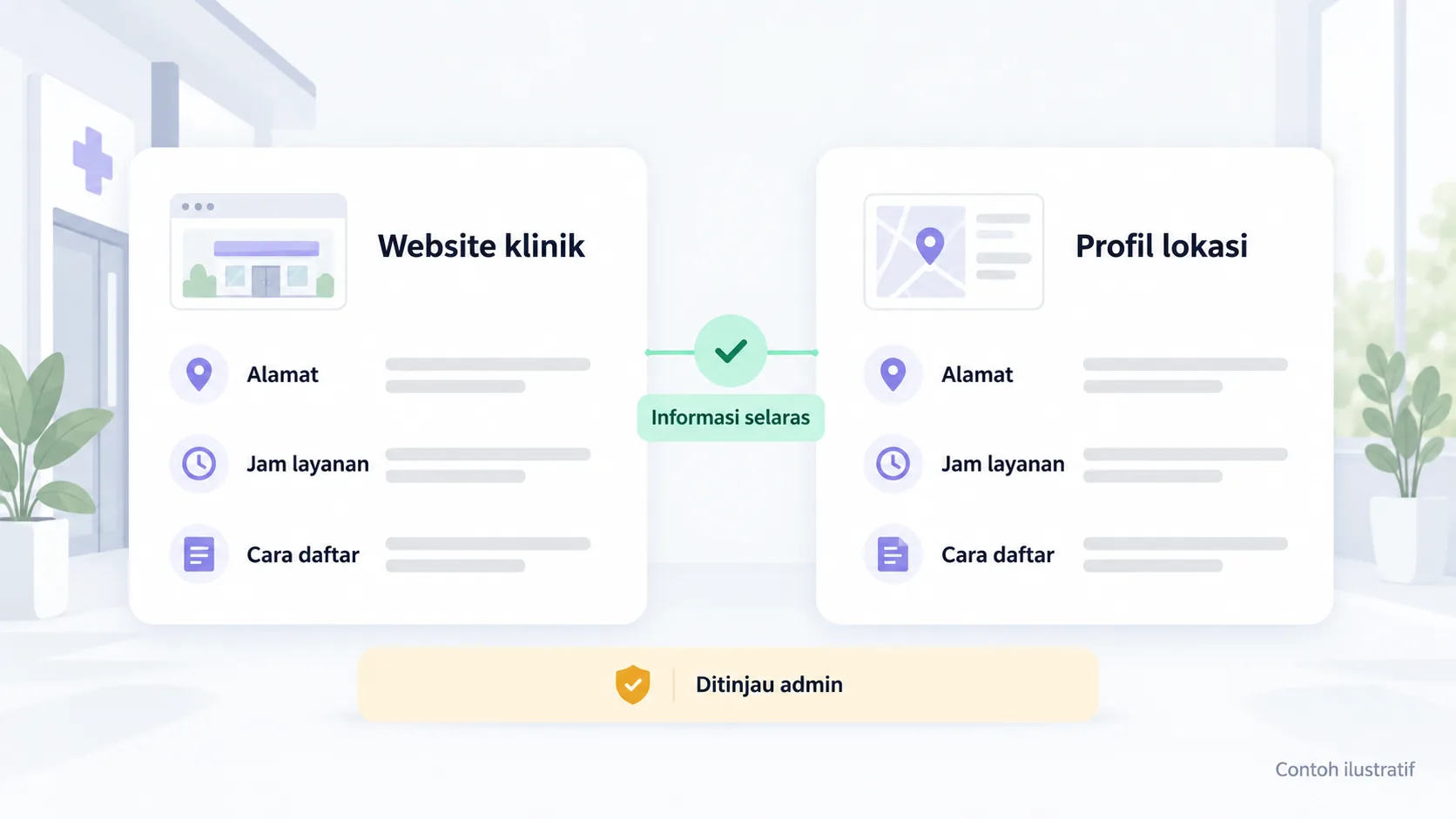
Information matrix that admins need to review
The following matrix helps the team connect patient questions to information sources. The content on the website needs to follow data that can be checked by the manager, while information on actions and service limits is reviewed by authorized personnel.
| Questions before making an appointment | Helpful content | Review source |
|---|---|---|
| Where is the clinic located? | Address, access instructions and branch contacts | Location manager |
| When is the service available? | Operating hours and schedule confirmation rules | Service admin |
| Are my needs being served? | Service scope and explanation limits | Clinical responsibility |
| How to register? | Appointment path, required initial data, and confirmation | Registration admin |
| Is the information still valid? | Review date and how to request changes | Content owner |
The services page does not have to answer all medical questions. The goal is to help readers know whether they need to contact the clinic and what information needs to be confirmed. Do not use patient photos, testimonials, or stories without the appropriate permission process.
From service inquiries to page layout
The three service pages mentioned in the case publication represent work with limited priority. The lesson is not to create as many pages as possible, but rather to choose needs that are different enough to explain independently. Pages with almost the same content can make it difficult for readers to differentiate between services.
In planning, collect questions that admin often handles: whether an appointment is needed, how to prepare administratively, and who readers can ask. Note the reason a question needs to be published. Questions that are highly individual or request a diagnosis should be directed to an appropriate consultation, rather than answered with general claims.
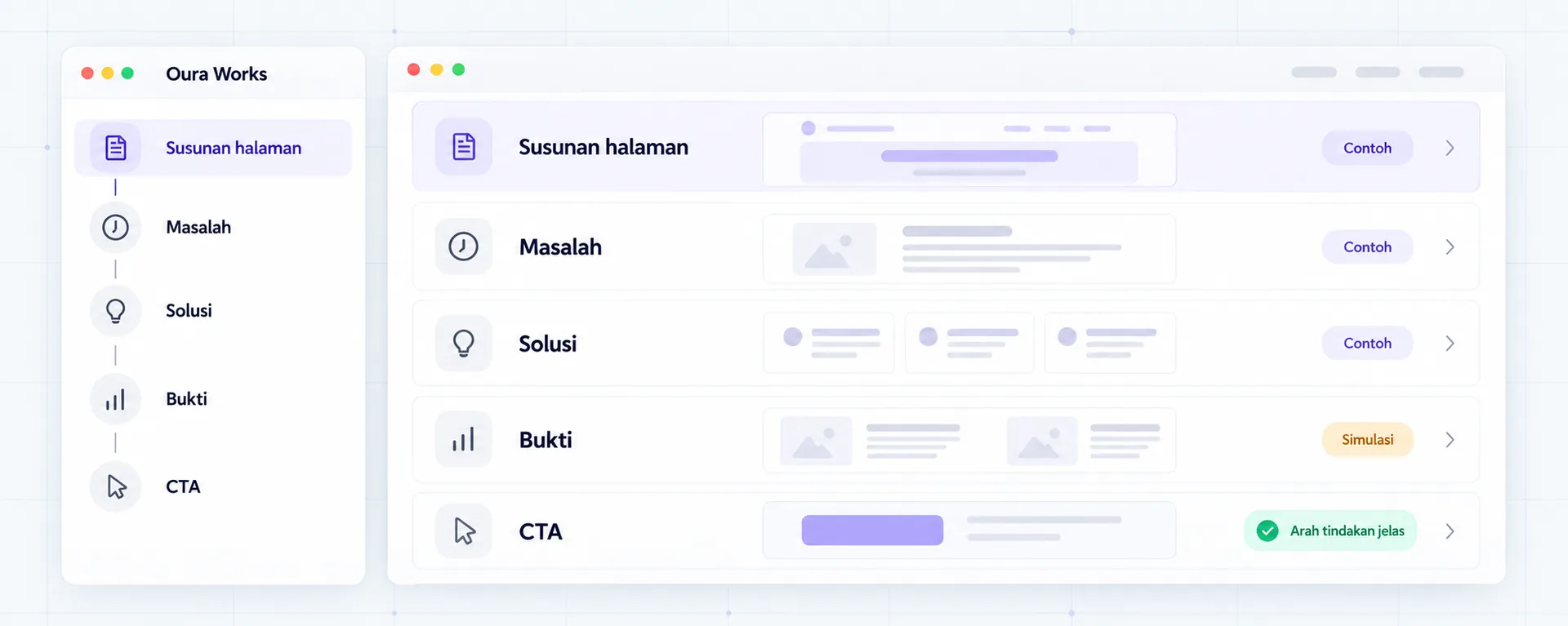
Use a title that directly mentions the service. Organize a consistent summary, scope, sign-up process, information sources, and CTAs. Proof of credibility needs to come from identity and information that can actually be published.
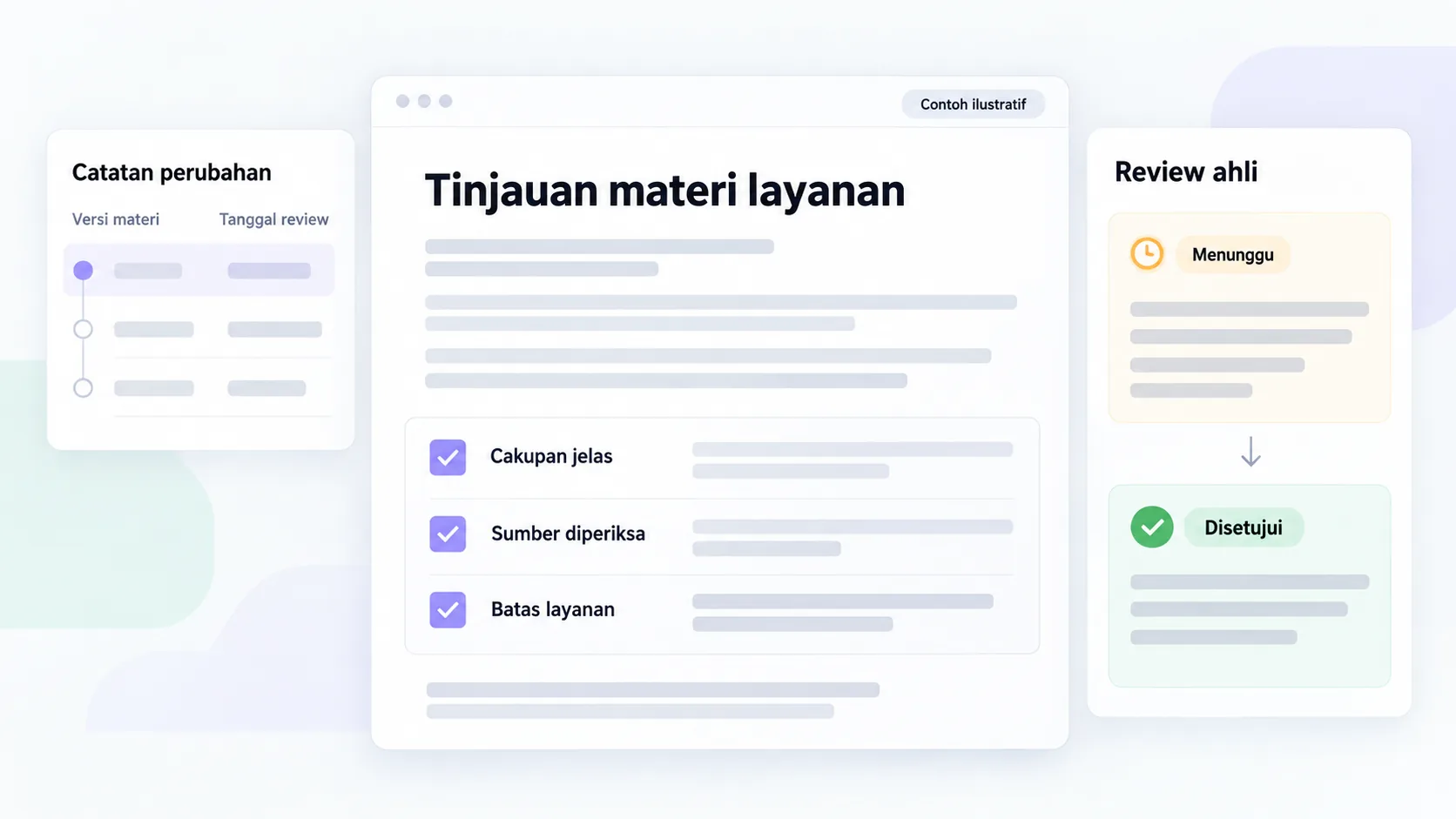
Who checks the content before publication?
The admin can check the contact and registration process, but is not automatically the approver of all service claims. Determine the material owner, content reviewer, and party who pressed the publish button. Log changes so that revisions can be tracked when information becomes questionable.
Structured data can help machines understand the information that has been displayed. The data must correspond to the visible page and not be a substitute for content. Adding business markup does not guarantee a particular local position or search feature.
Also check the page on mobile: the address can be copied, the CTA is not obscured by other elements, and the main information remains visible. Technical inspection is carried out together with content review; Pages that load successfully can still contain incorrect schedules.
Reads the results of four local queries correctly
The Oura publication said four priority local queries began to appear in the third to fourth month. They are results in the clinical context and monitored questions. Summary does not provide a distribution of all searches, booking data, or controlled comparisons.
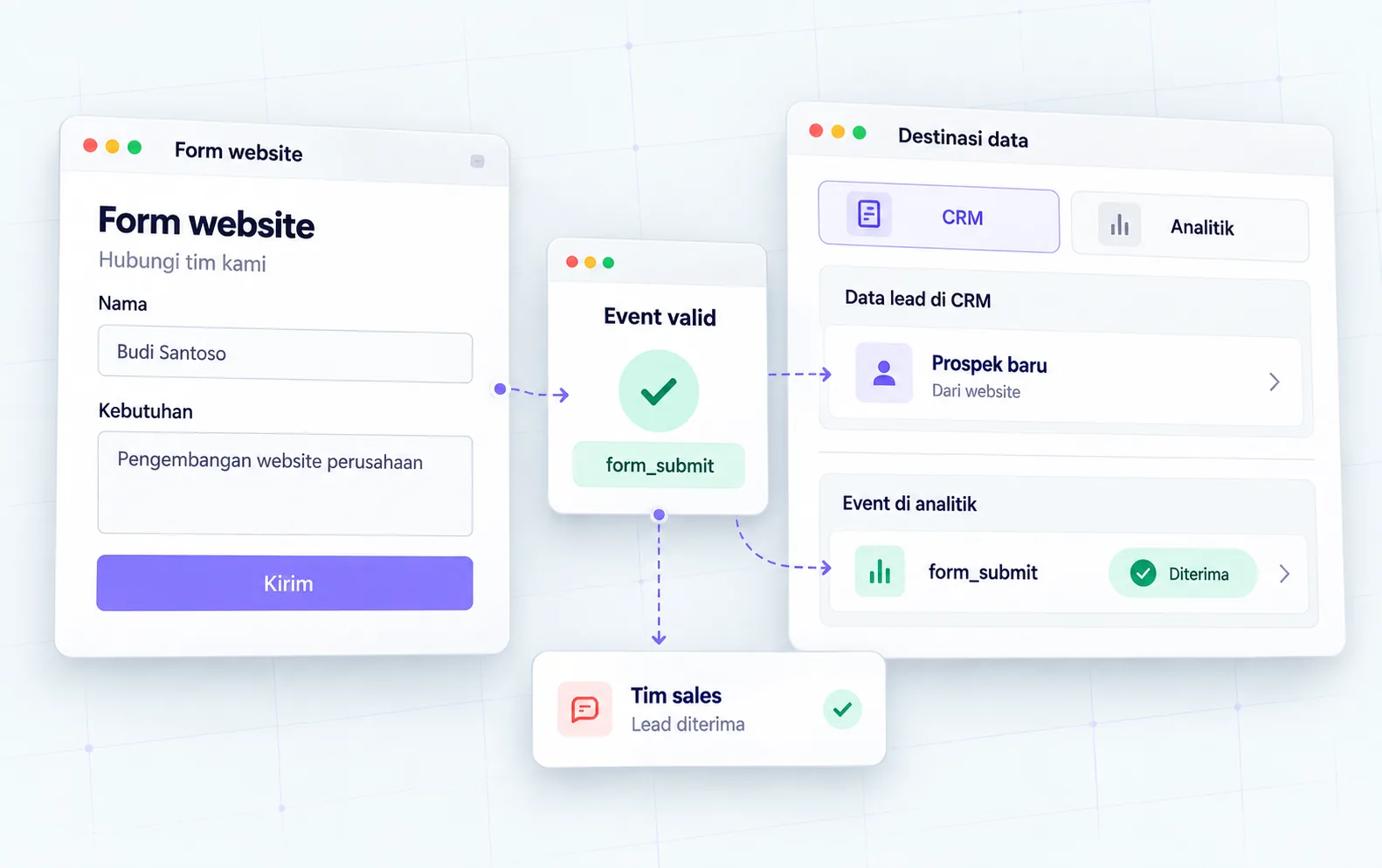
Therefore, do not equate query occurrences with the number of new patients. To understand business benefits, teams need to correlate visibility with recognizable visits, valid appointment requests, and admin confirmation results. Measurements must use data that suits your needs; Personal health information does not need to be sent to Analytics.
| Stage | Checkable signals | Reading limit |
|---|---|---|
| Found | Query, page, date, and location context | This does not mean that the patient chooses the clinic |
| Visited | Service page visits and contact lines | Not all visitation sources are complete |
| Contacted | Request received by admin | Contact clicks are not necessarily valid requests |
| Confirmed | Appointment records on permitted systems | Separate cancels, duplicates, and schedule changes |
If the information is neat but there is still little inquiry
Check which pages are actually visited before adding content. If a reader is looking for a schedule but ends up in a general article, the link to the service needs to be made clear. If your CTA gets a lot of clicks but your admin isn't accepting requests, check the contact intent and delivery failures first.
For local searches, the accuracy of profile information needs to be maintained after the project is completed. Define processes for when hours change, branches move, or contacts are replaced. One operational change can impact your website, business profile, and the materials admins share all at once.
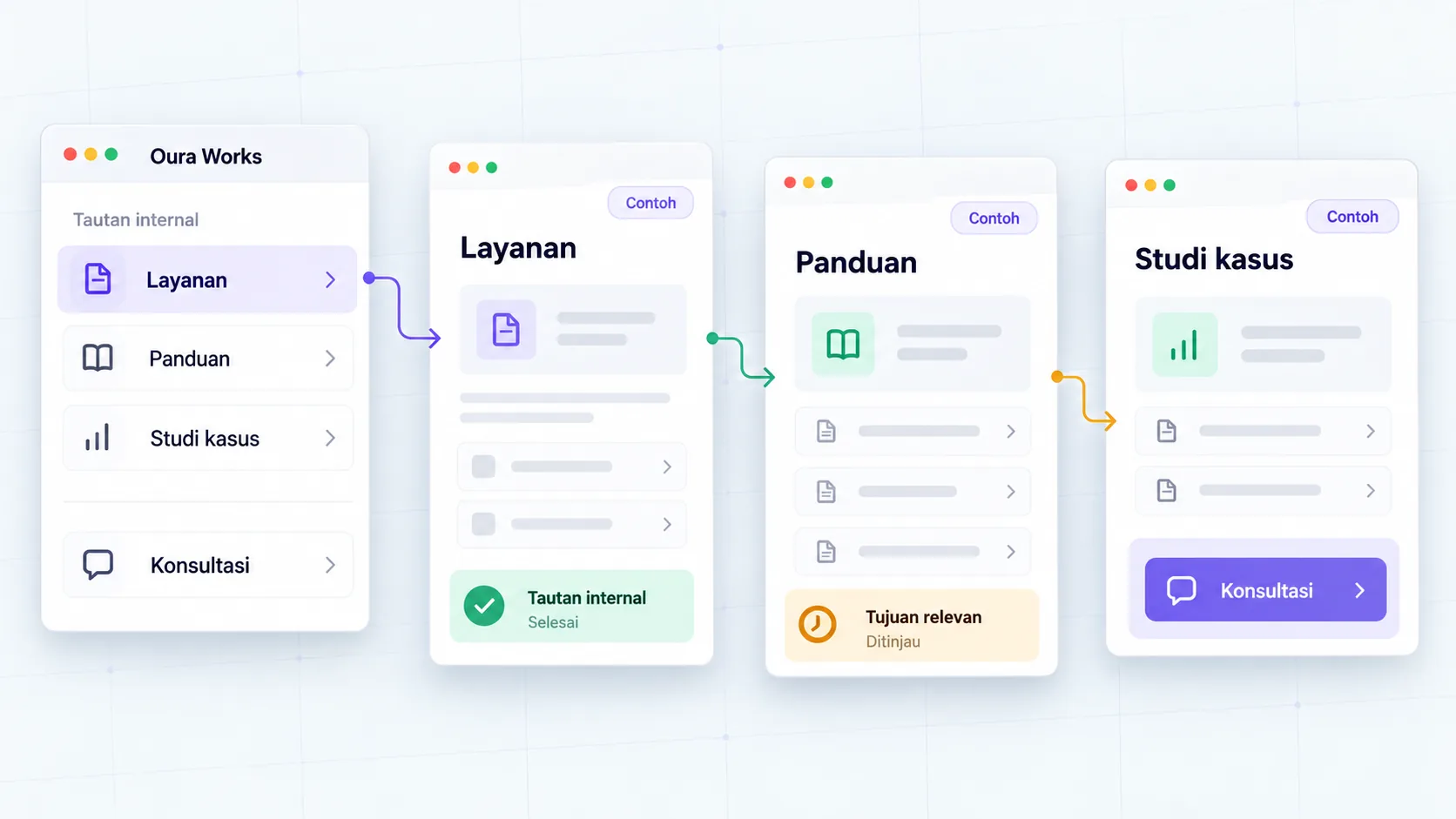
Link explainer articles to relevant services with reasonable language. Links do not have to appear in every paragraph. Readers simply get a clear path when they understand the information and want to ask about the suitability of the service.
Implementation checklist for clinic managers
- Match addresses, contacts, and service hours with field conditions.
- Distinguish administrative information from clinical explanations that require review.
- Set the owner of each page and the next review date.
- Check the appointment line on the cellphone and the receipt results in the admin system.
- Review visibility reports with valid requests, not clicks alone.
If your obstacles are similar, start by auditing the information that is already available. Discuss website service needs with Oura, by bringing a list of services, locations and registration paths used.
FAQs
Does a new clinic have to write lots of articles right away?
Not necessarily. Prioritize accurate service information, location, contact and how to make an appointment. Additional articles are selected from unanswered reader needs. Many articles are unhelpful if basic information between pages is conflicting.
Does business markup guarantee the clinic shows up in local searches?
No. Markup should reflect the real information visible on the page. Visibility is influenced by various factors and needs to be observed across relevant queries and locations. Don't use markup as a ranking promise.
How to choose a service that gets its own page?
Choose based on differences in patient needs, scope of services, and enrollment process. If the explanations are nearly identical, consider a clear merge page. Decisions are made together with service managers and reviewers, not just from the number of keywords.
What data needs to be recorded to measure inquiry?
Note identifiable sources, type of administrative need, and acceptance status and follow-up on appropriate systems. Avoid entering health or personally identifiable information into Analytics parameters. Numbers of contact clicks and confirmed appointments are read separately.
Are the results of the four queries a target for other clinics?
No. These figures follow the publication of this engagement. The location, competition, website conditions, and period of each clinic are different. Work targets need to be formulated after the audit and differentiated from business results that cannot yet be ascertained.
References and source limits
- Oura clinic case for conditions, work, and results reported.
- Google's business representation guidelines for accurate identity and profile information.
- Google SEO Guide for structure and content that helps readers.
Source checked October 2, 2026. The operational analysis in this article is not medical advice or additional engagement documentation.
Continue on to guides and stories that discuss similar decisions.
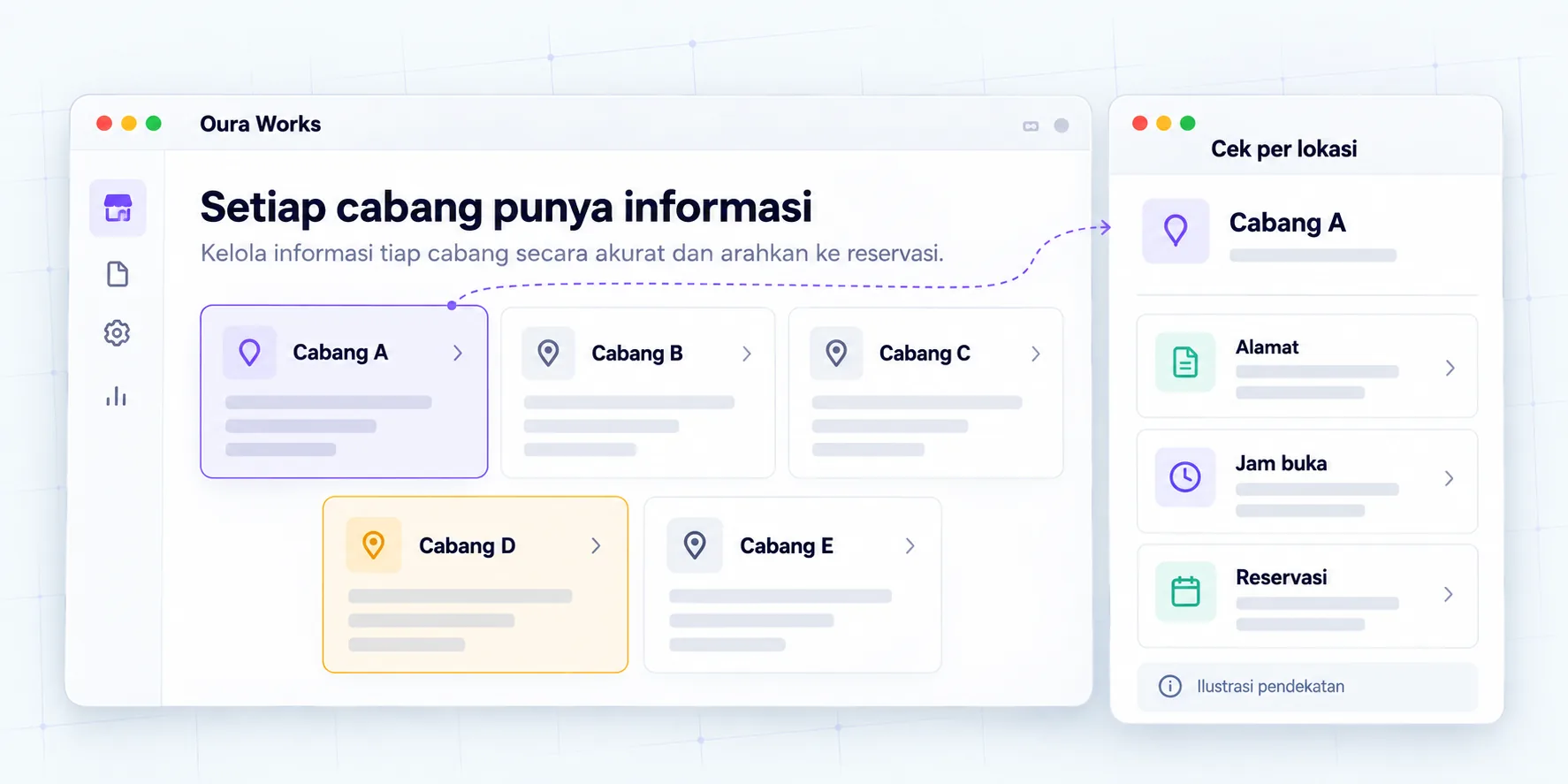
Consistent five-branch information
Location data and branch pages are organized for six months.
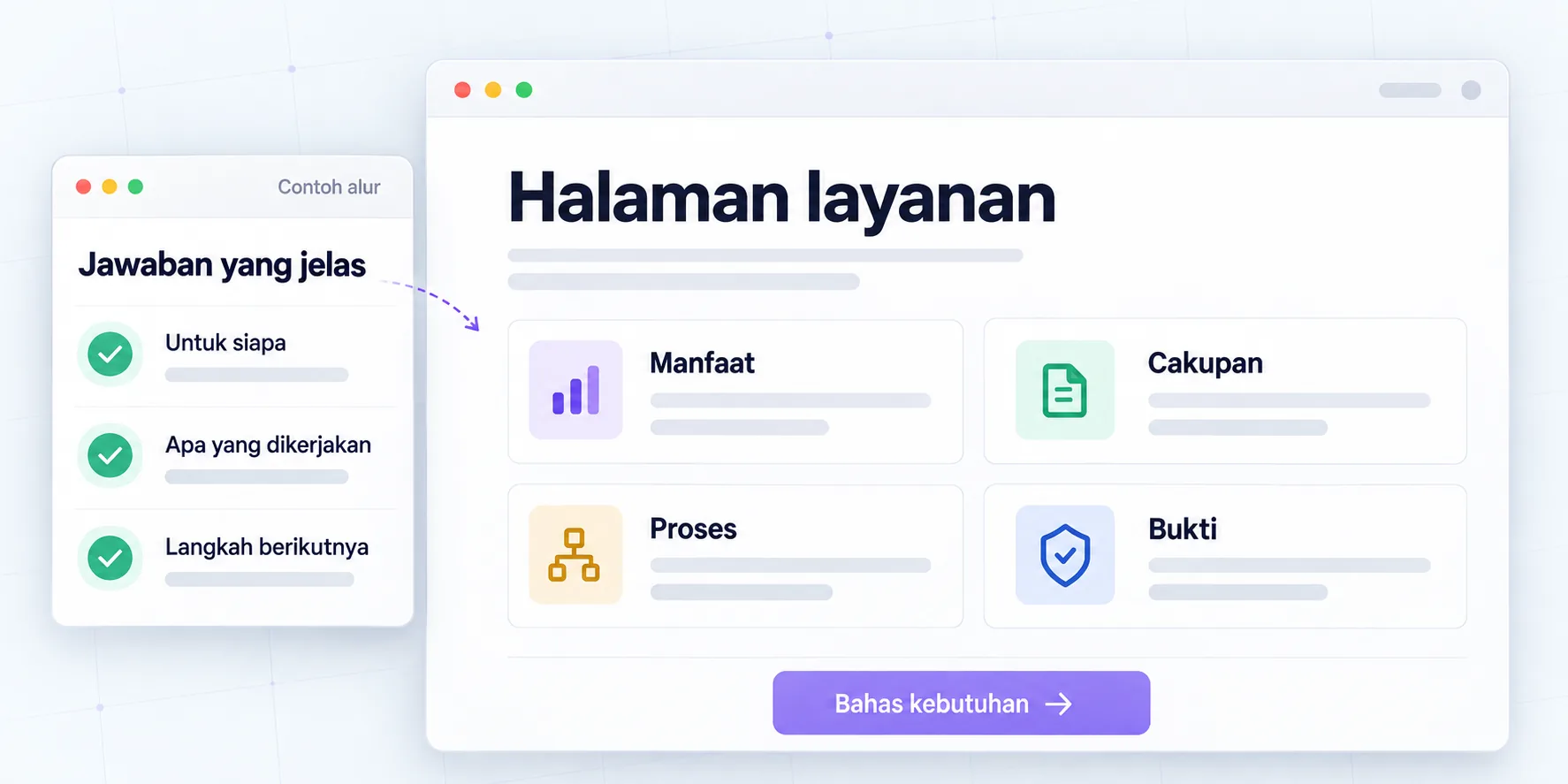
Copy of services before consultation
Clarify benefits, scope, evidence and next steps.
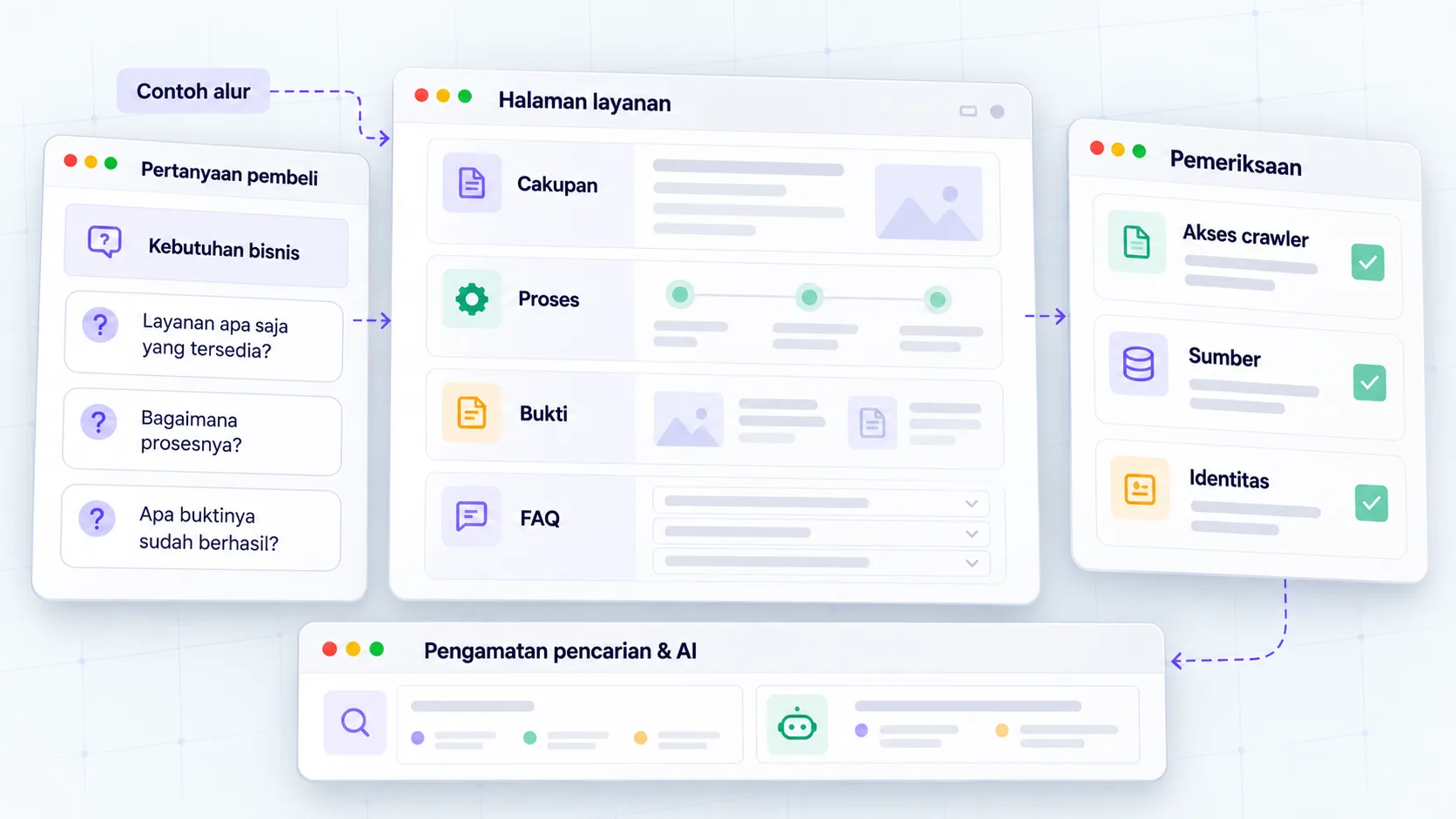
SEO foundation for AI search
Maintain technical access and information that helps readers.
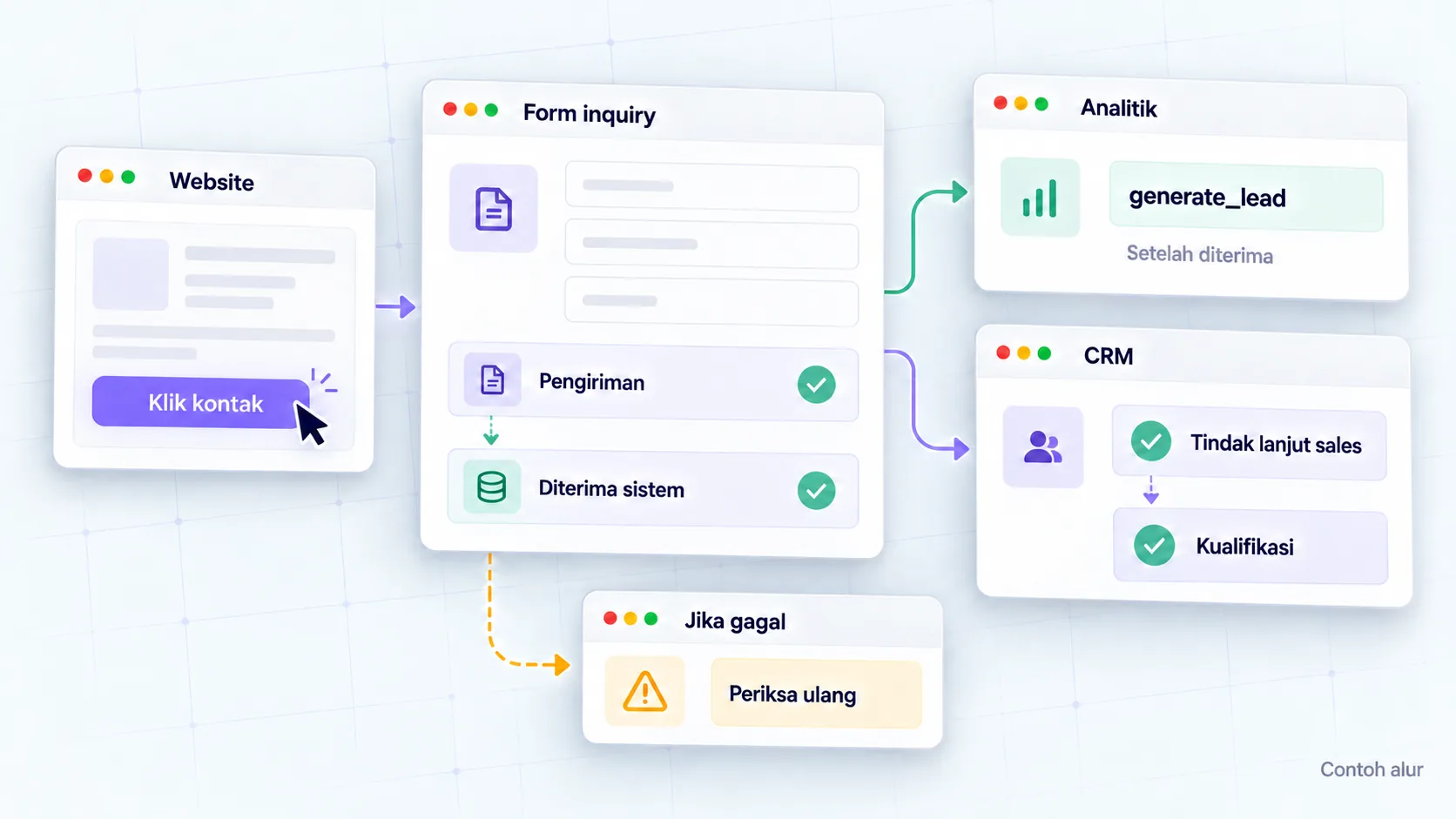
Lead measurement with GA4
Connect website actions to sales context.
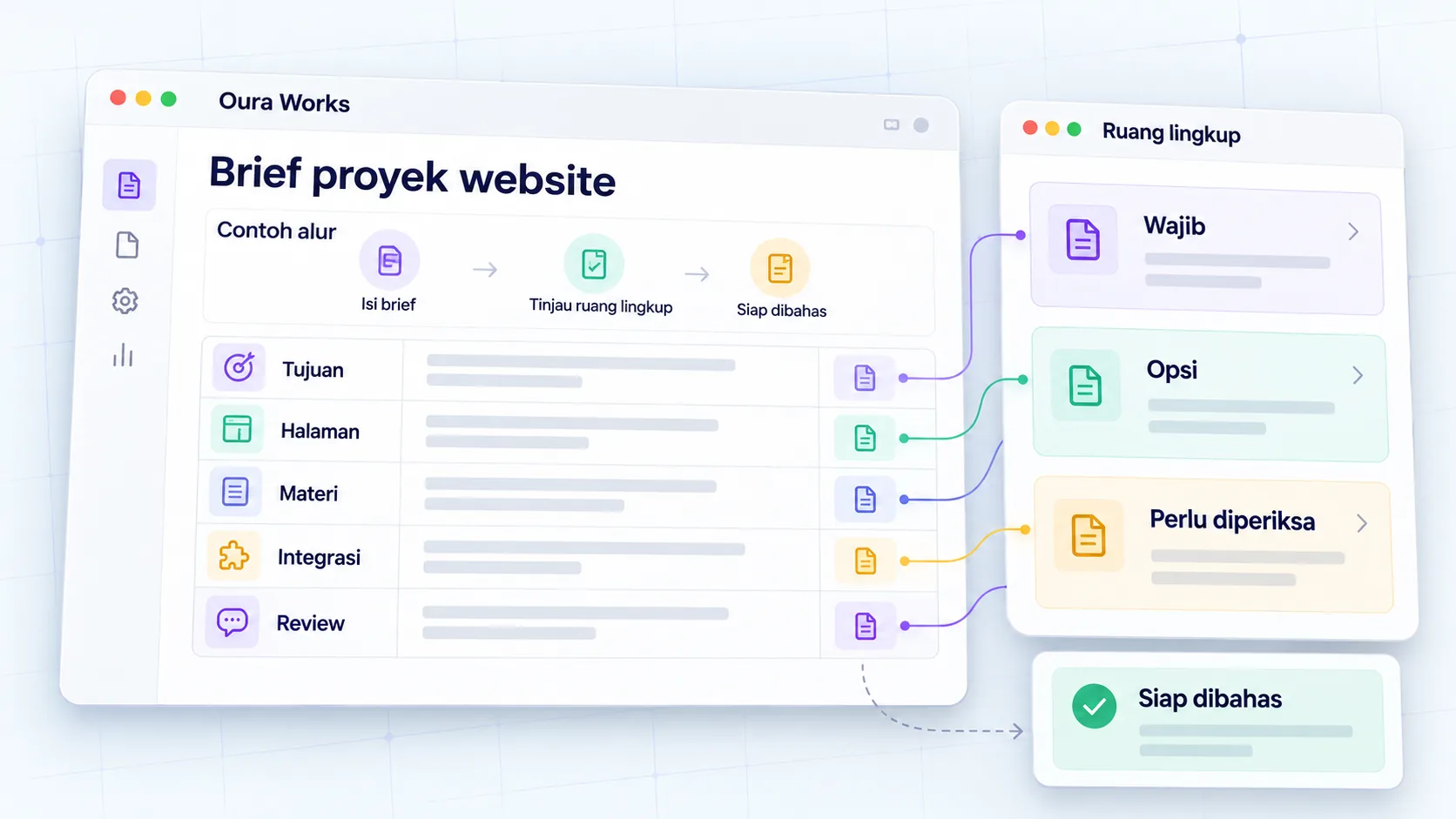
Clear website project brief
Agree on project goals, scope, and decisions.