
















Measurable impact • B2B professional services • 8 months • Updated October 2, 2026
From thin pages to the answers B2B buyers need

Oura Works
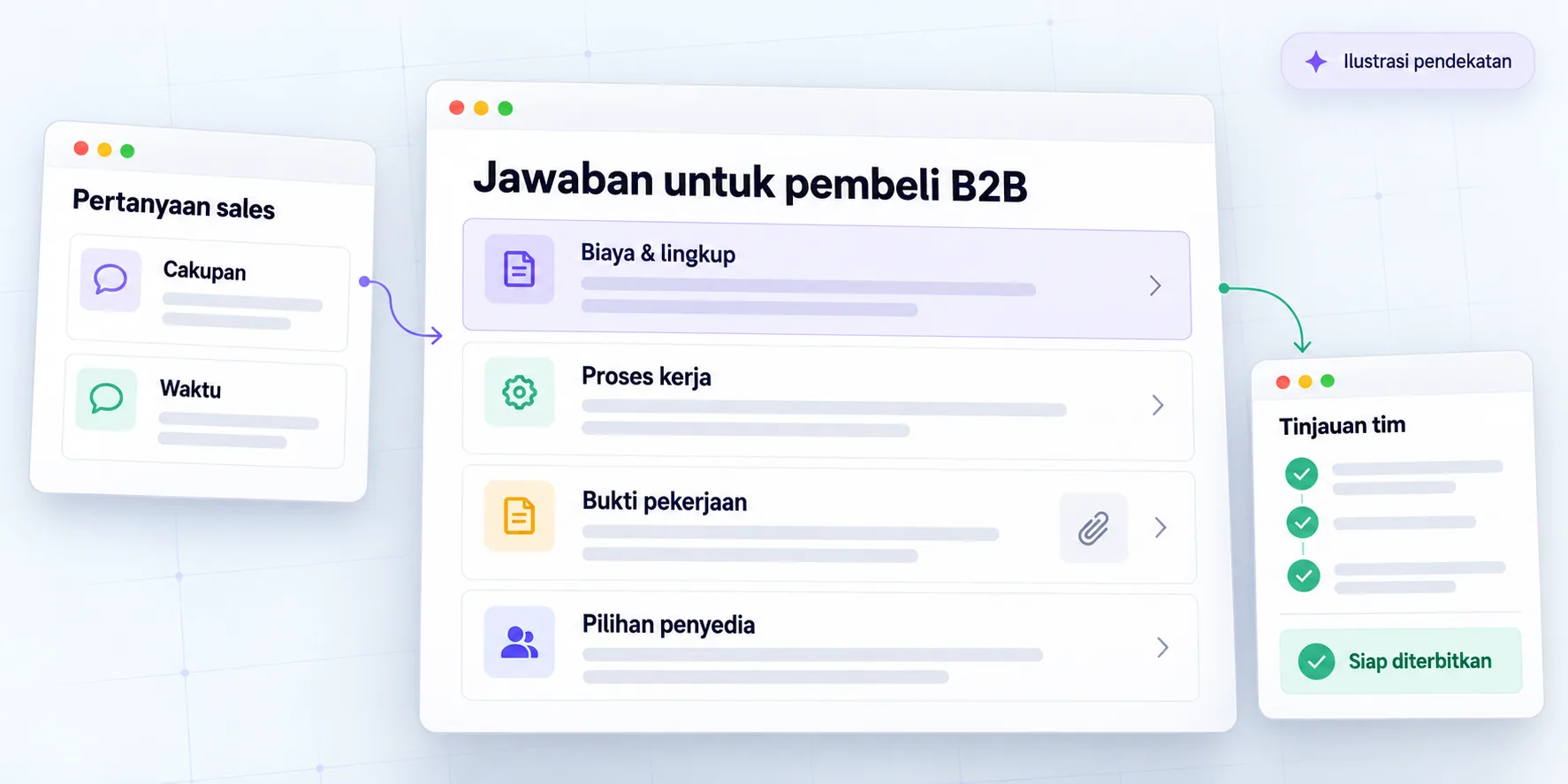
Questions about costs, processing time, and choice of provider are the basis for improving service content.
This story refers to an anonymous engagement published by Oura. The analysis, decision matrix, illustrations, and checklist below are editorial implementation guidelines; not copies of client documents or additional unattested results.
Summary of work and evidence
| Aspect | Publication summary |
|---|---|
| Sector | B2B professional services |
| Period | 8 months |
| Initial conditions | Most leads come from referrals and advertising. Twelve service pages are still thin, while key queries hover around positions eight to twelve. |
| Jobs | The research mapped out three groups of purchasing questions. Five key pieces of content and three internal case studies were compiled to clarify services, evidence and differences. Implementation uses review and recording of changes. |
| Results reported | The number of keywords on the first page reported increased from 12 to 28. Top query positions moved from eight to two over eight months of engagement. |
| Evidence label | Measurable impact, following Oura publication |
Oura engagement source. Raw data and all test conditions are not available in the public summary. These results need to be read with the initial period and conditions; is not an estimate of results for other businesses.
The thin page problem arises when buyers compare vendors
B2B service buyers usually need to take proposals to other parties. They look for answers about suitability, scope, time, and cost before agreeing to enter into a sales discussion. Pages containing only general benefits do not provide material for such comparisons.
In this case, twelve service pages are available. Increasing the number of pages is not an automatic priority. A more useful question is whether each page describes a different need and provides evidence that can be checked. Three groups of purchasing questions form the basis of the published work.
To apply a similar approach, check inquiry records and discontinued proposals. Separate objections because the information is unclear from objections because the service is not appropriate. Websites can reduce confusion, but they cannot fix price or capacity discrepancies by simply changing headlines.
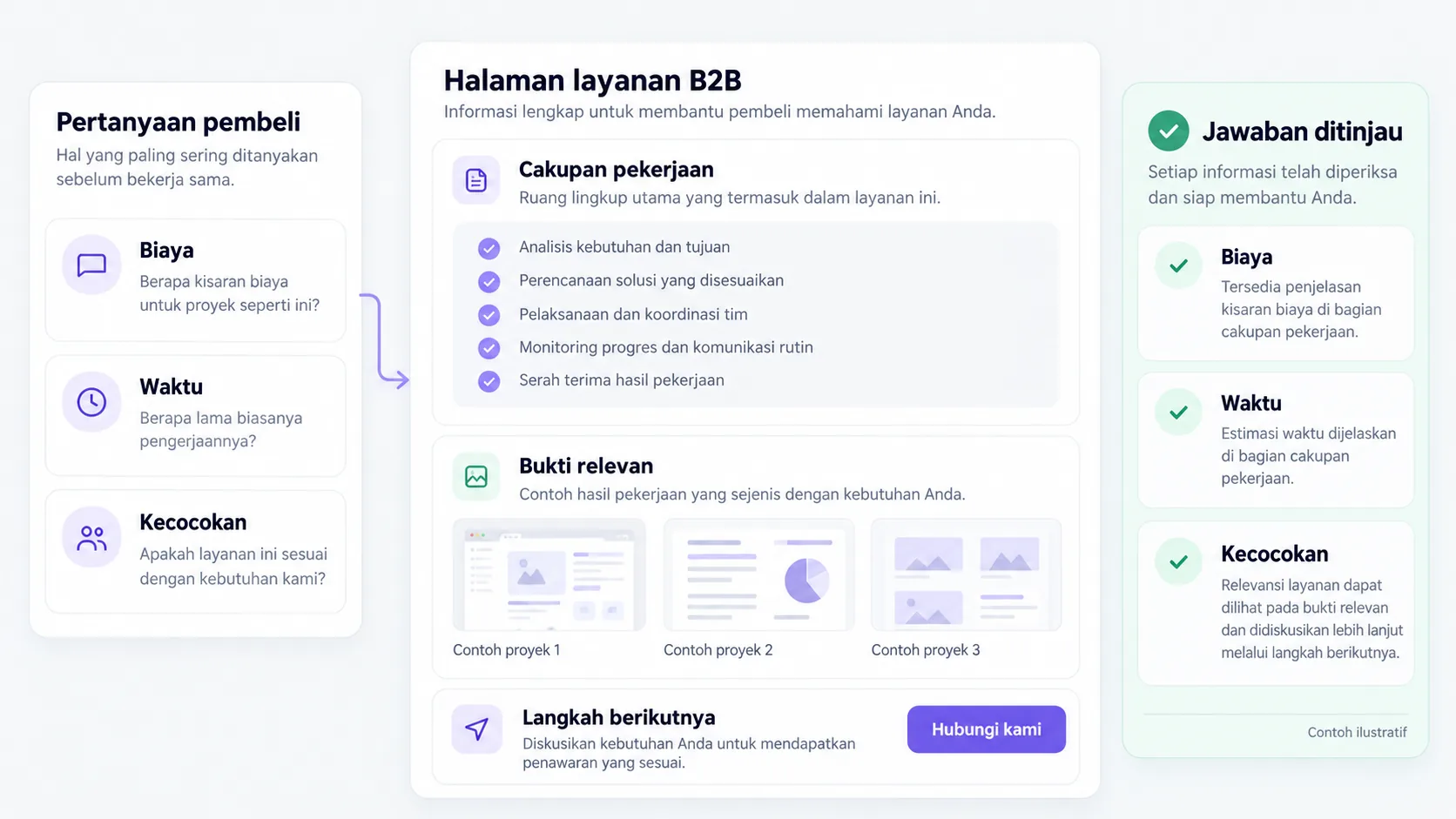
Example of a B2B content decision matrix
| Buyer questions | The answer should be available | Internal inspection |
|---|---|---|
| Does it suit my needs? | Situations handled and service limits | Service owner |
| What do I receive? | Work results and completion criteria | Implementation team |
| How long does the process take? | Stages, dependencies, and schedule determinants | Project manager |
| What influences costs? | Third party scope and cost components | Commercial |
| Why is this provider worth considering? | Relevant and traceable evidence | Evidence owner |
The table is an example of planning, not a list of genuine client questions. Use buyer language from legally available sources. If the team doesn't yet have an answer about a scope, mark it as requiring confirmation; don't fill it with unapproved promises.
Turn research into five pieces of content that support each other
The publication mentions five main pieces of content and three internal case studies. This kind of work requires different functions: service pages explaining the offering; articles help understand questions; Cases show decisions and outcomes in a specific context.
Research can start from interviews about purchases that actually occurred. Ask what information is sought, who is involved in the assessment, and what is hindering the decision. Questions like “do you like the new website?” are more difficult to use because they encourage general judgment without explaining the purchasing process.
Record observations and interpretations in different columns. One buyer's request is not enough to sum up the entire market. Findings are used as content hypotheses, then reviewed with sales and service owners before being published.
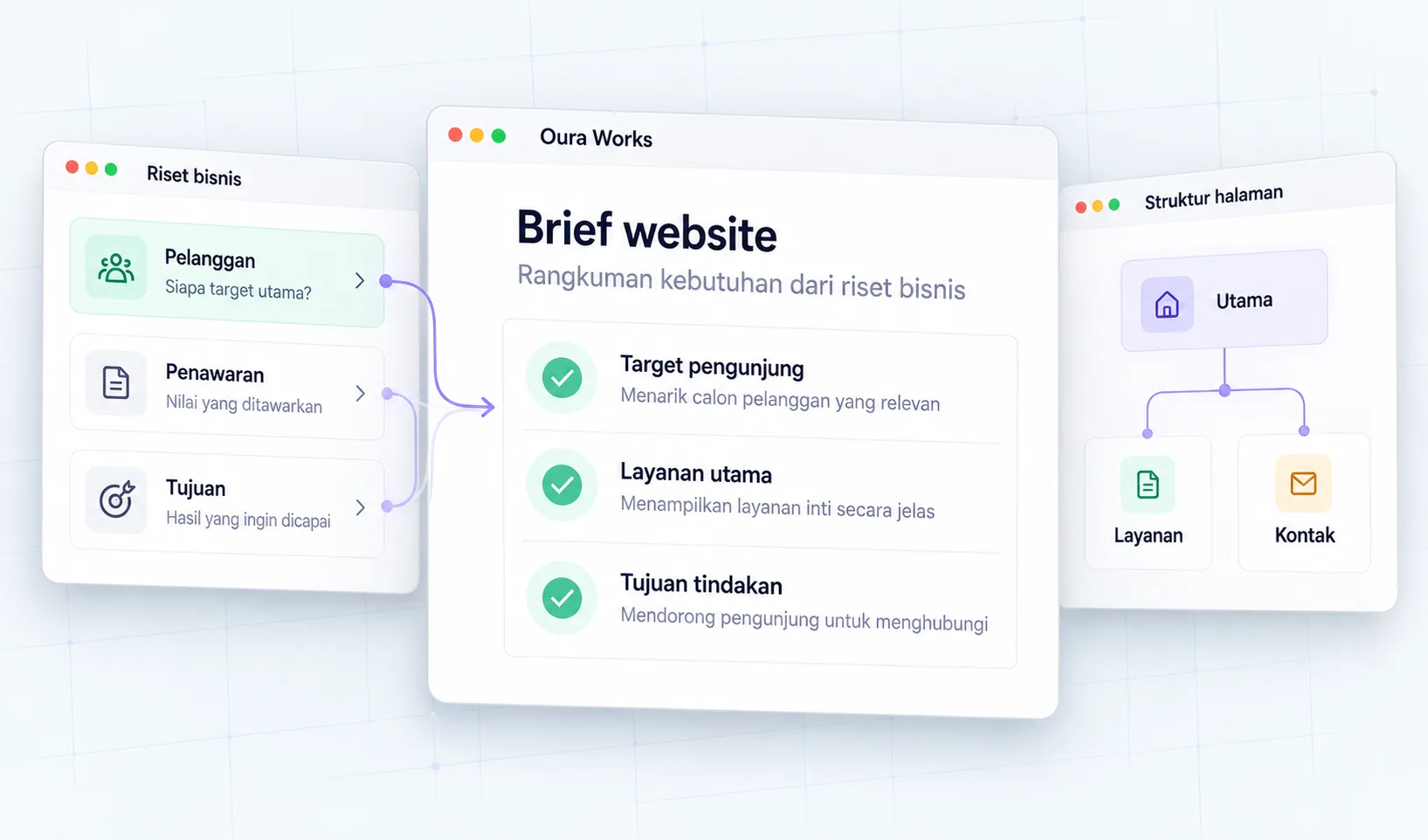
Creating evidence helps evaluation
Case studies don't have to contain lots of numbers. Initial conditions, scope of work, key decisions, and outcome limits are often more helpful than percentages without definition. If figures are available, describe the period, object measured, and source.
For professional services, evidence may indicate permitted forms of work, the review process, or examples of anonymized materials. Avoid making synthetic client names and quotes appear to be real experiences. Mention examples openly so buyers can differentiate illustrations from evidence of engagement.
Approval of publication also needs to include context. Removing the company name may not be enough if the location and project are easily recognizable. Save the approved version and direct in-depth questions to the appropriate discussion process.
Read ranking changes without concluding on turnover
Case reports first page keywords increased from 12 to 28, and the main query moved from position eight to two. The figure shows the development of visibility on the monitoring used. The number of keywords is not a measure of the number of customers and search positions may change.
For more useful reports, keep the list of queries the same or explain when the list changes. Note the device, location, date, and data source. Changes in monitoring methods can make comparisons look better without a commensurate change in the buyer experience.
| Indicator | Questions answered | Continued examination |
|---|---|---|
| First page keywords | Is the visibility of samples growing? | Sample and context consistency |
| Service visit | Did the buyer achieve the offer? | Page and source match |
| Valid inquiry | Are the needs accepted by the team? | Duplication and initial completeness |
| Opportunities received by sales | Do the requirements match the scope? | CRM status and reason for rejection |
This chain helps find obstacles. If rankings are improving but inquiries haven't changed, the team can examine inquiry types and CTAs before concluding the work is a commercial failure or success.
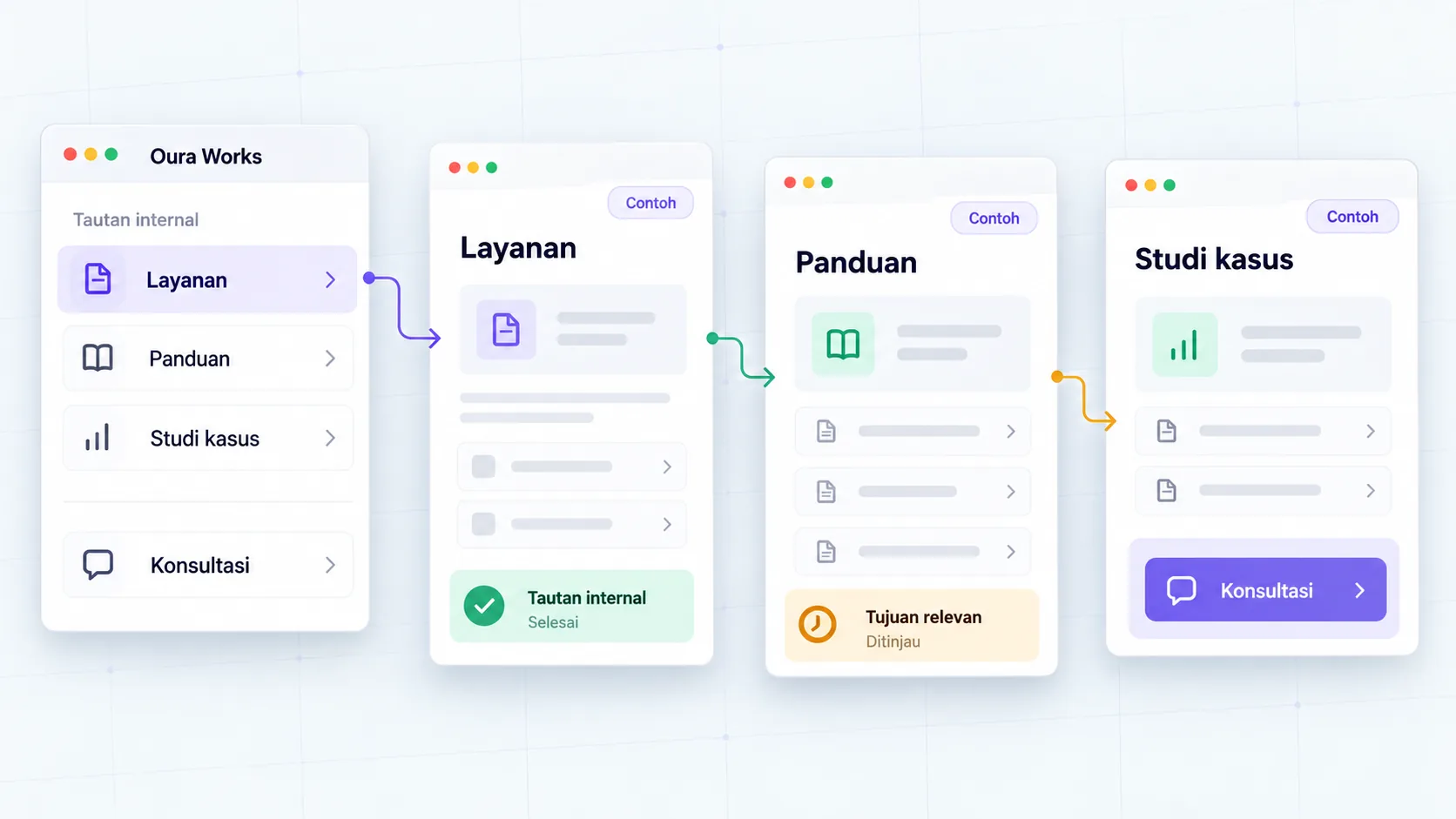
The content path must end at the appropriate step
Readers who are still understanding the problem need guidance or explanation of the scope. Readers who have compared providers can be directed to relevant cases. Readers who want to submit a need need a contact with enough information to follow up.
Make the link based on the content relationship, not the obligation to place a CTA in each paragraph. Use labels that name the step, such as “Discuss integration needs,” so buyers don't have to guess the purpose of the button.
After the change, ask team members who didn't write the page to run through a simple scenario: find a service, explain the work, then figure out how to ask. Note the sections that require additional explanation. This test helps assess clarity, although it does not yet prove an increase in conversions.
Checklist for marketing and sales teams
- Choose repeat purchase questions that have a clear source.
- Assign the role of each page so that services, articles, and cases do not repeat the same content.
- Review work results, scope limits, and cost determination with the service owner.
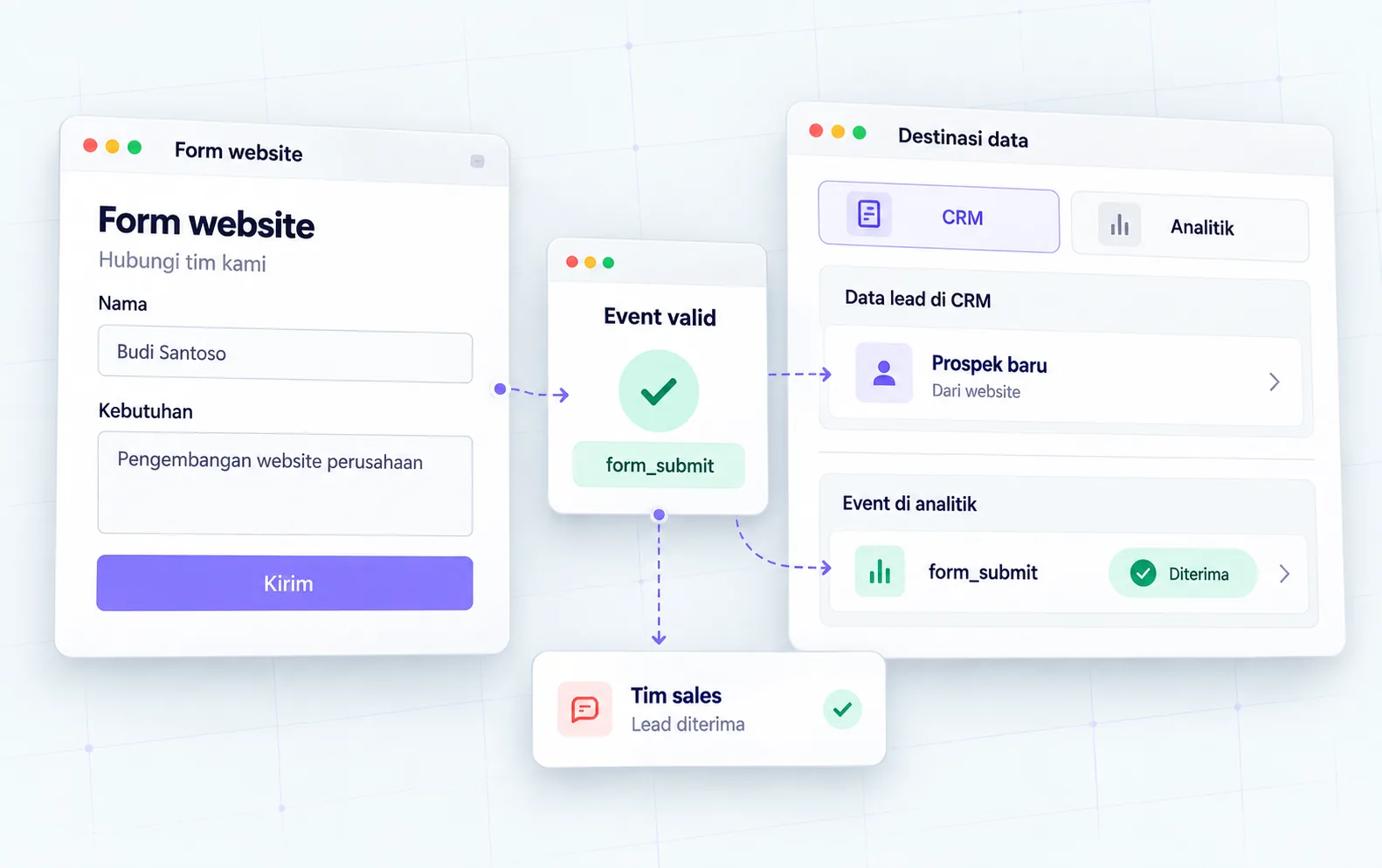
- Connect website contacts with recipients and follow-up status.
- Report visibility and sales opportunities as different indicators.
Discuss B2B service content with Oura. Bring sample pages, sales questions, and evidence that can be used so that the discussion doesn't stop with changes in language style.
FAQs
Do all service pages need to be long?
The length follows the buyer's decision needs. Straight answers remain up front, while details help with follow-up evaluation. Long texts that repeat benefits are not automatically more useful or better for SEO.
How do you differentiate between articles and service pages?
The services page describes the offering, deliverables, scope, and contact steps. Articles answer questions that require more extensive explanation. The two can link to each other when the content relationship is clear, without forcing all readers to consult directly.
Does keyword 12 to 28 mean an increase in customers?
It cannot be concluded from that number alone. Keywords describe sample visibility, while customers need measurements of inquiries, opportunities and sales results. The public summary does not provide sufficient evidence to causally link the changes.
What can be worn if evidence of a secret project?
Use explanations of methods, scope, labeled synthetic examples, or approved anonymous materials. Don't create fake client quotes and identities. More limited evidence but clear sources is easier to assess than traceless claims.
Where to start if the company's services are numerous?
Choose services that are important to the business and have fairly clear buyer needs. Review the content and inquiry path first. The next priority is determined from unanswered questions, team capabilities, and measurement results.
References and source limits
- Oura B2B services case for a summary of engagement and ranking figures.
- GOV.UK in-depth interview for purchasing experience research.
- Google SEO Guide for content and page relationships.
Source checked October 2, 2026. The matrix and checklist are editorial recommendations, not a reconstruction of the client's entire work.
Continue on to guides and stories that discuss similar decisions.
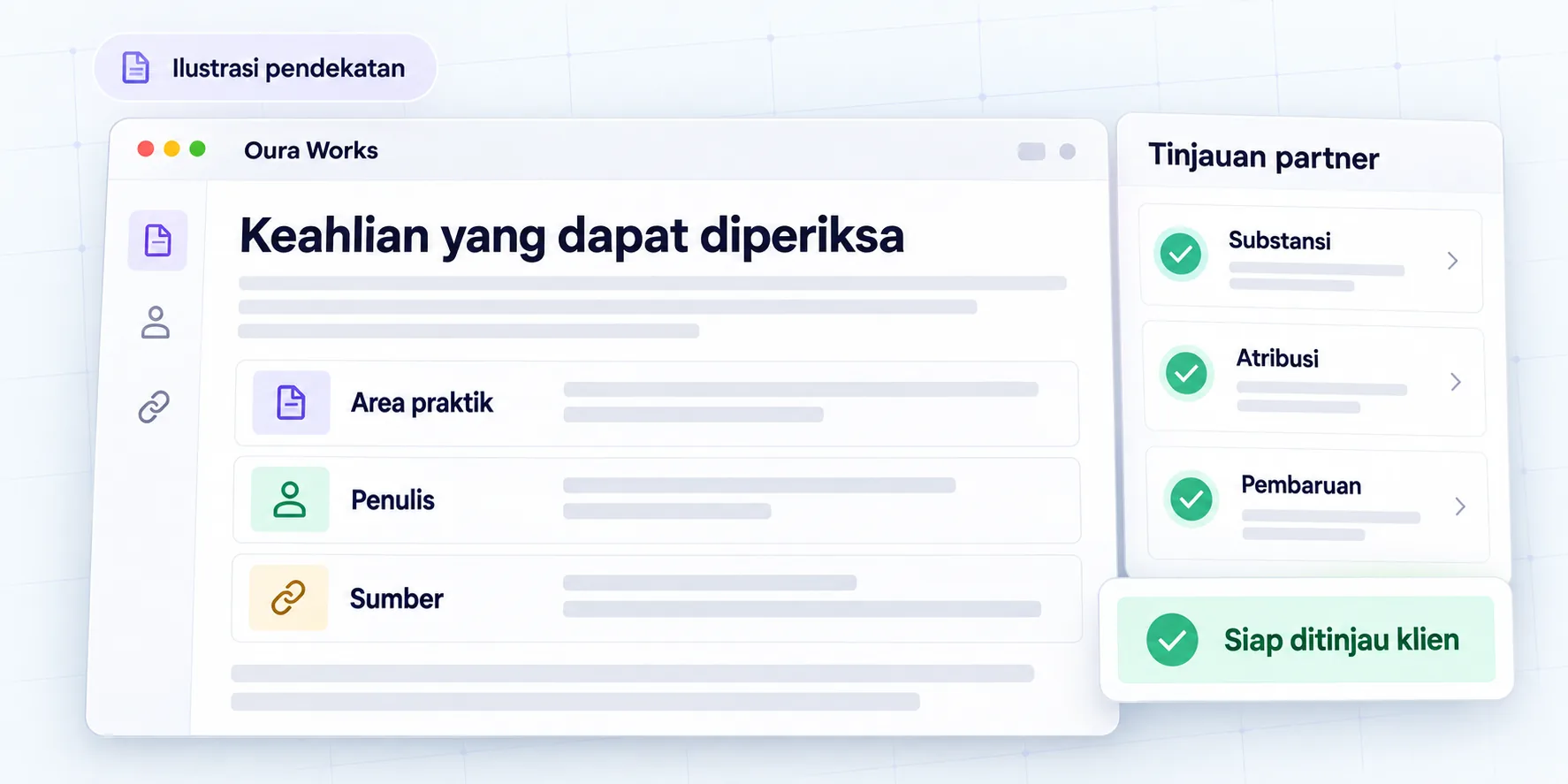
Expert-reviewed legal content
Partner expertise and reviews supported nine months of work.
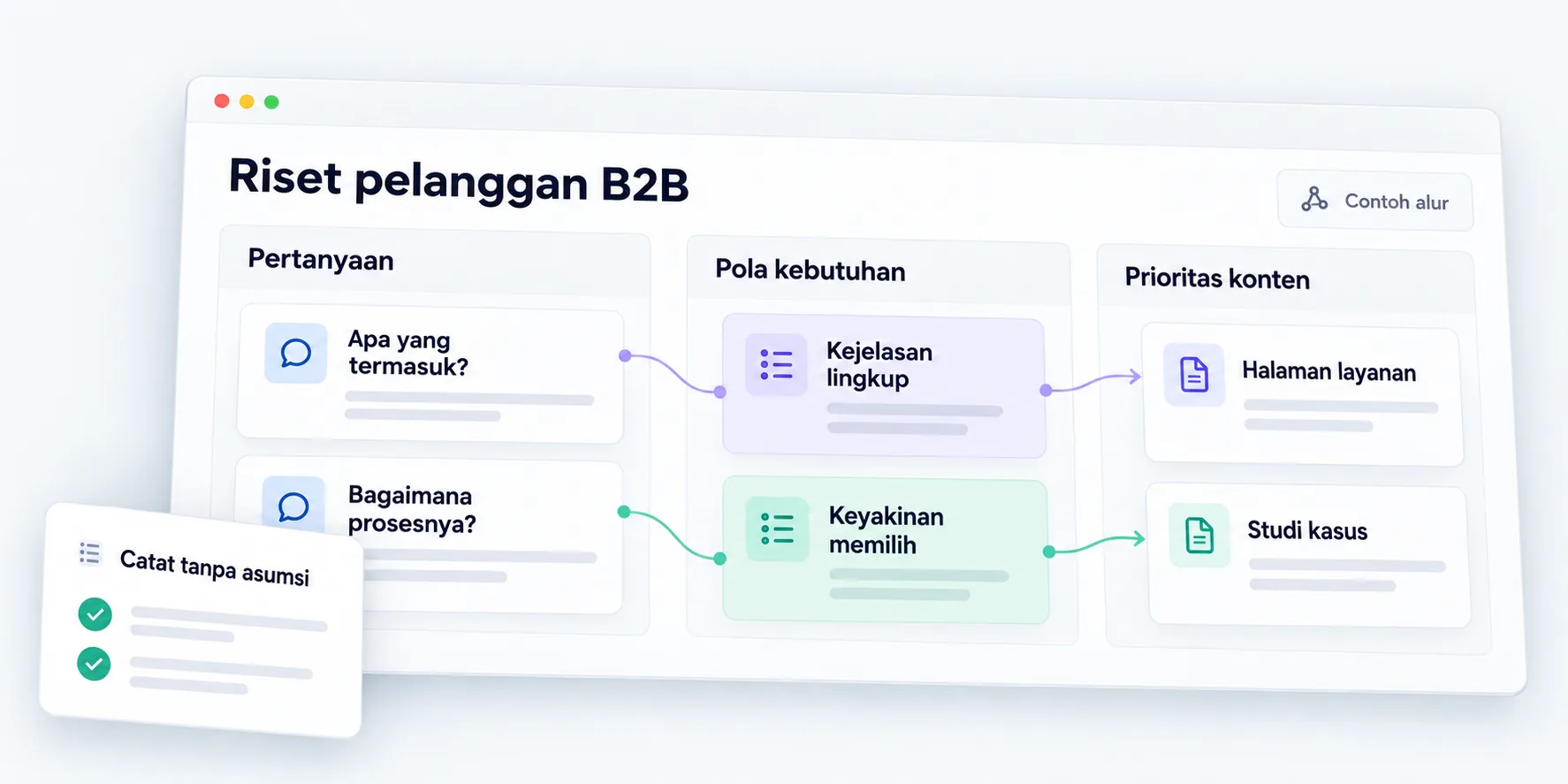
B2B customer research for websites
Map out needs, objections, and the buying process.
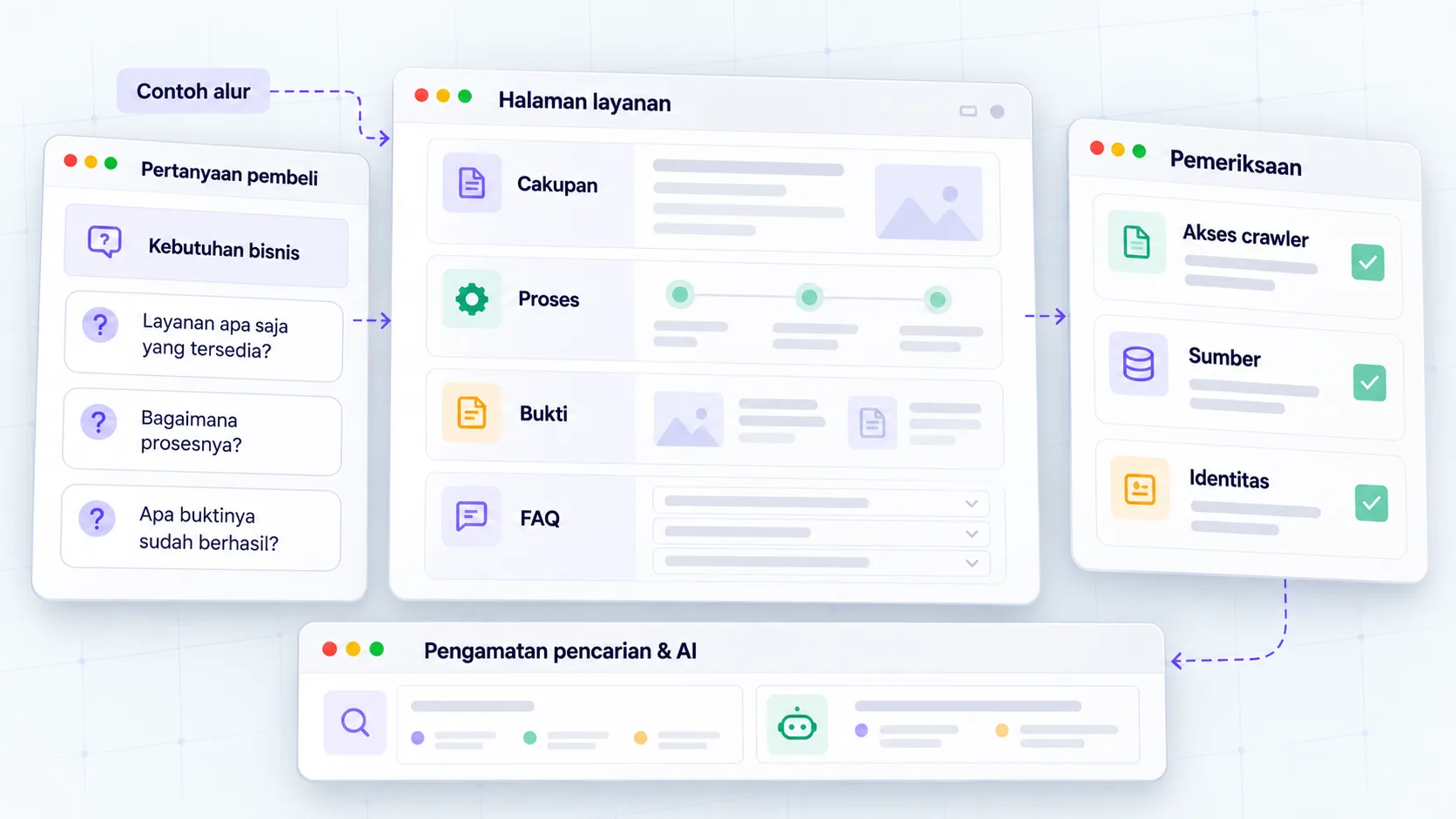
SEO foundation for AI search
Maintain technical access and information that helps readers.
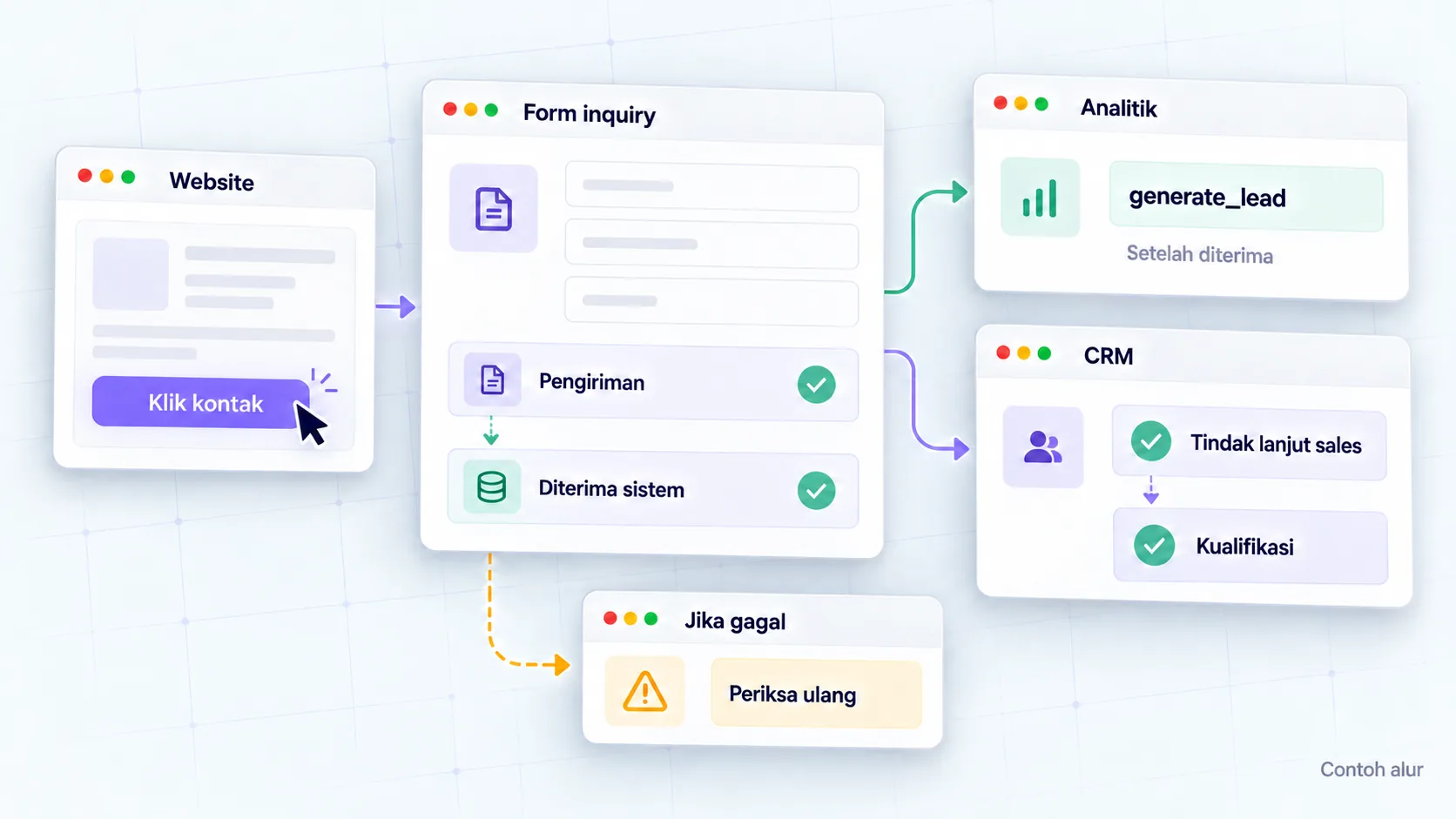
Lead measurement with GA4
Connect website actions to sales context.
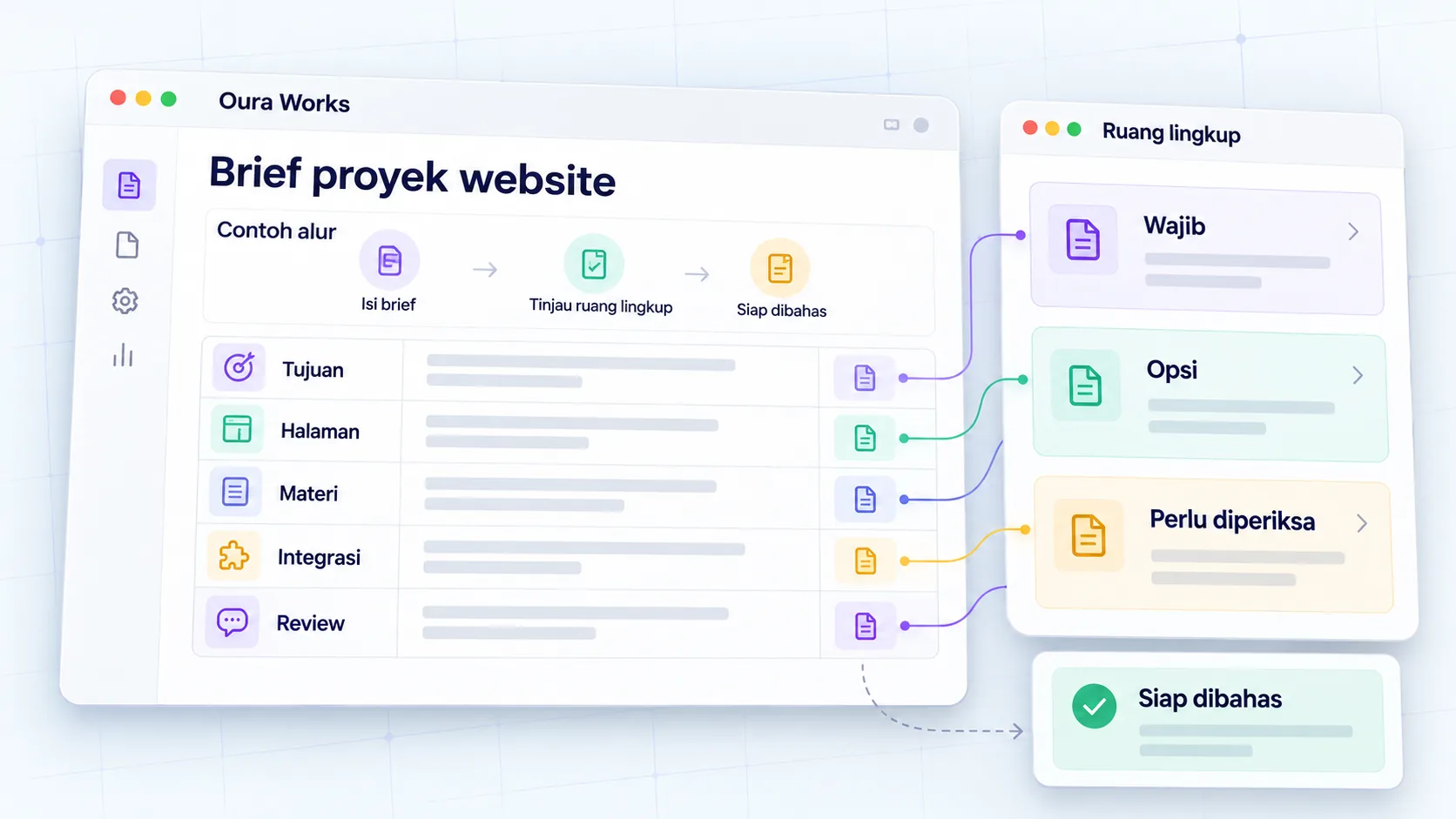
Clear website project brief
Agree on project goals, scope, and decisions.
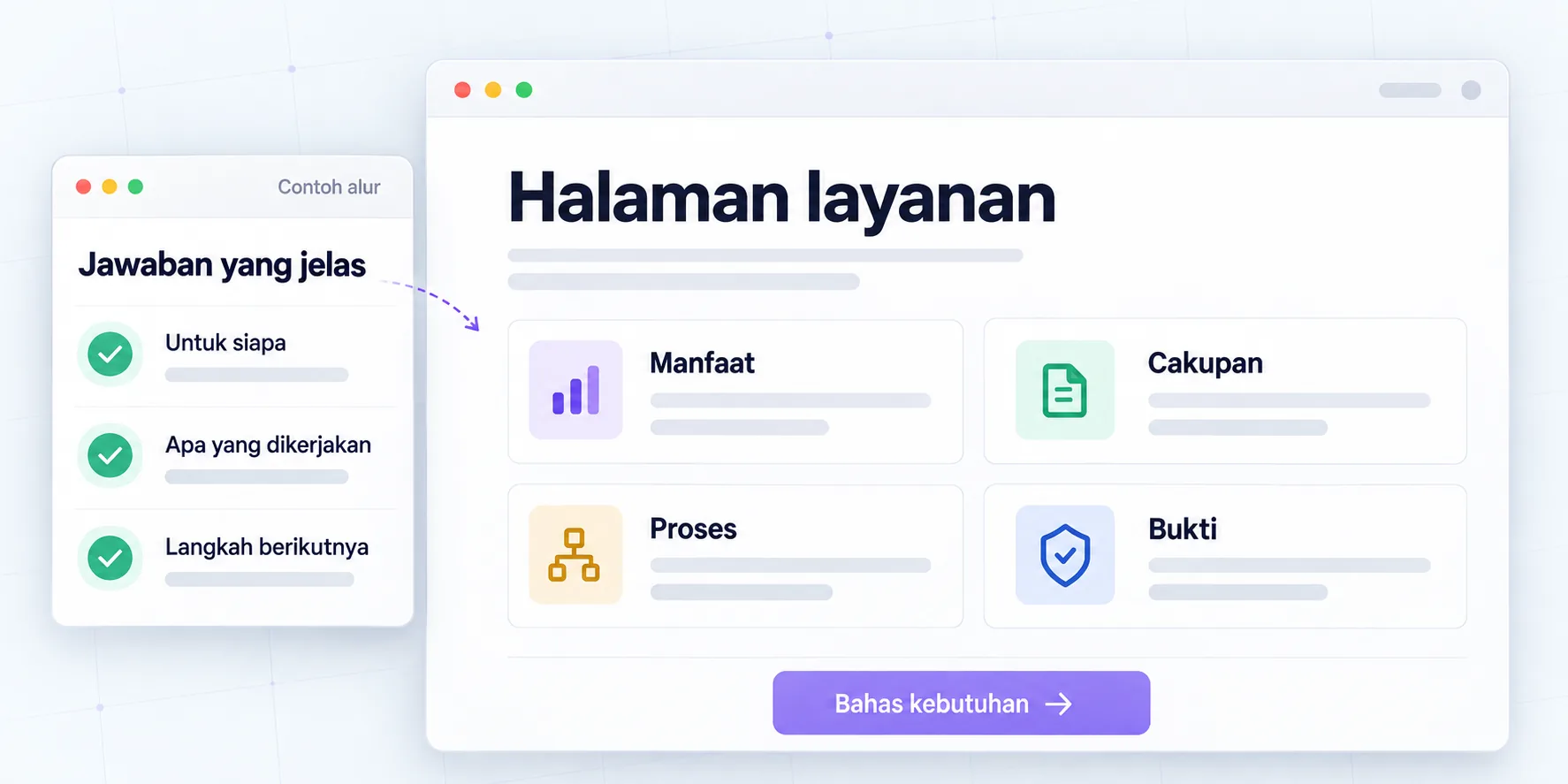
Copy of services before consultation
Clarify benefits, scope, evidence and next steps.