
















Measurable impact • Legal services • 9 months • Updated October 2, 2026
Legal expertise that can be checked through content

Oura Works
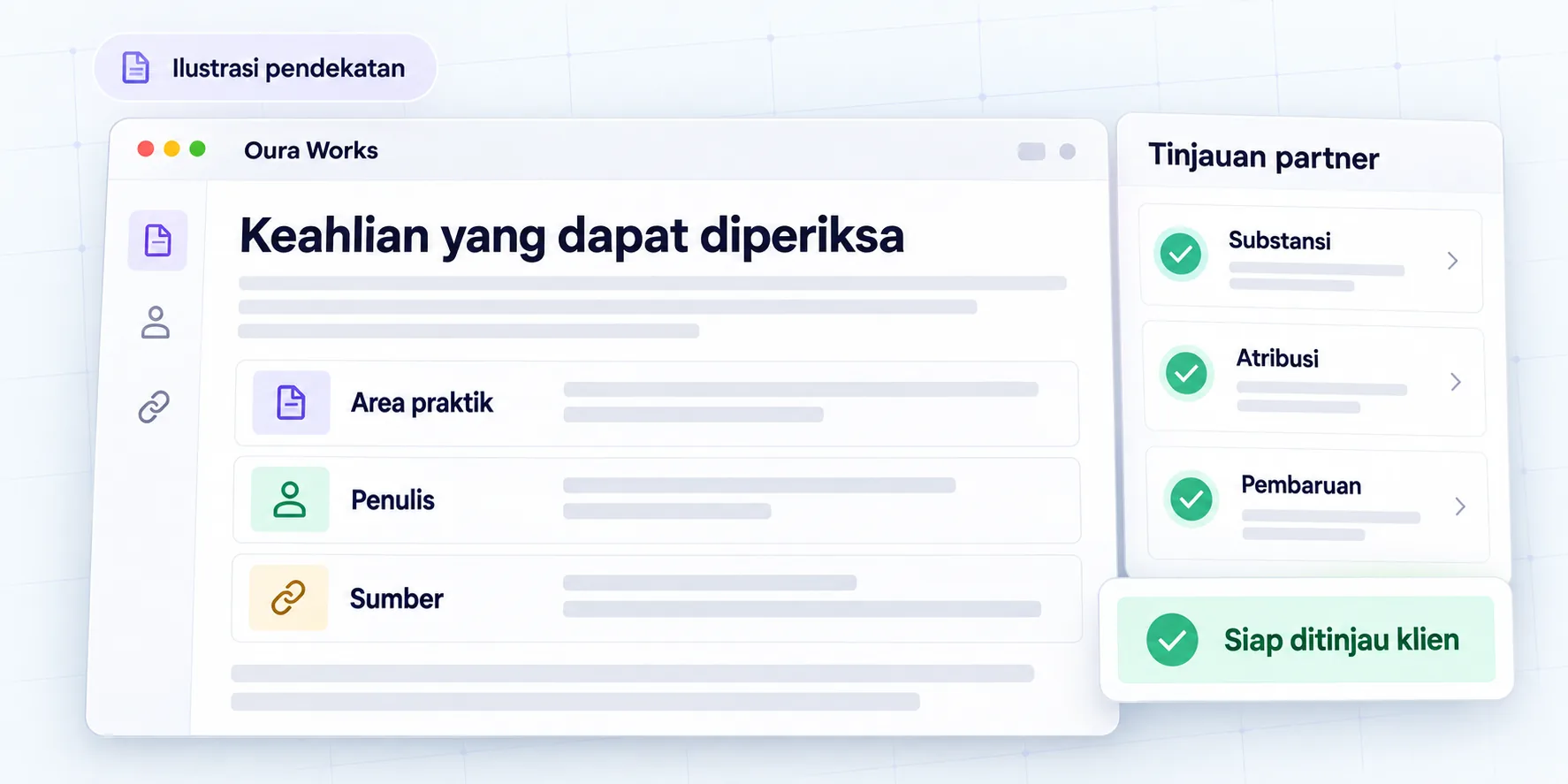
Author identity, professional reviews, and factual explanations help readers assess legal services information.
This story refers to an anonymous engagement published by Oura. The analysis, decision matrix, illustrations, and checklist below are editorial implementation guidelines; not copies of client documents or additional unattested results.
Summary of work and evidence
| Aspect | Publication summary |
|---|---|
| Sector | Legal services |
| Period | 9 months |
| Initial conditions | The law firm has gained search positions on several keywords. The practice page still uses a lot of promotional language and does not show clear expert attribution. |
| Jobs | Four practice areas are prioritized for in-depth content. Partners review the substance, byline, and information updates. The identity of the organization and services is clarified; AI citation observations are recorded separately from rankings. |
| Results reported | Reported first page keywords went from six to nine in nine months. The publication also discusses occurrences in AI answers with specific observational contexts. |
| Evidence label | Measurable impact, following Oura publication |
Oura engagement source. Raw data and all test conditions are not available in the public summary. These results need to be read with the initial period and conditions; is not an estimate of results for other businesses.
Skills need to be able to be checked before readers contact the office
Legal services pages often use language such as professional, experienced, and trustworthy. Readers still need to know the area of practice, the initial process, the limits of public explanation, and who is reviewing the material. General claims do not provide enough context to choose the next step.
In this case, some keywords are already on the first page. The content barrier lies in promotional language and unclear expert attribution. Improvements touch on the depth of information and partner reviews; this article does not assess the quality of legal advice or case outcomes.
Service content helps readers understand initial matches. Individual legal situations require review of documents and context by authorized professionals. Don't write a general answer as if it applies as a decision to all readers.
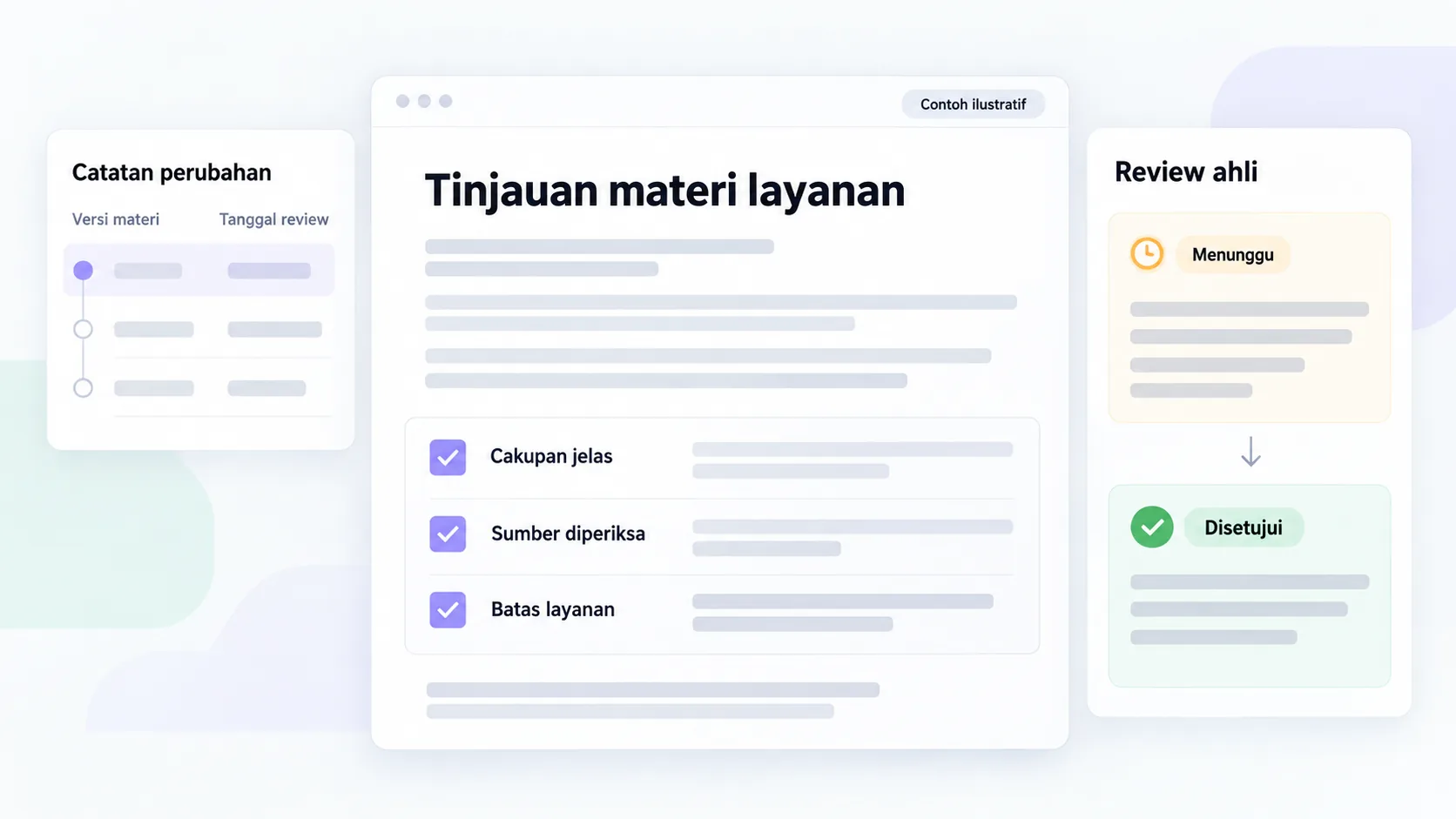
Information matrix for practice area pages
| Reader needs | Helpful information | Substance control |
|---|---|---|
| Understand coverage | Type of needs addressed and service limits | Practice owner reviews |
| Setting up initial contact | Initial documents that can be discussed through appropriate channels | Review admissions procedures |
| Assess skills | Identity and attribution that may be published | Confirm professional information |
| Understand the process | Consultation, review and scope determination stages | Approval of actual procedures |
| Know the latest | Source and date of review | Review changes to information |
This matrix is an example of website planning. Do not ask readers to enter sensitive case details on a general form if the process for receiving them is not clear. The initial contact form can be used to determine who to follow up with, while details are discussed through the appropriate channels.
Organize four practice areas without creating uniform pages
The publication mentions four prioritized practice areas. Differences in reader needs should be seen in the explanation of scope, stages and initial questions. Changing the title of the same promotional paragraph does not help readers understand the difference in practice.
Content research can use frequently occurring administrative questions and approved public materials. Separate information that may be made public from examples that can identify the client or case. This decision is made with the practice owner, not by the content writer alone.
Organize the direct answer first, then the context and boundaries. If a topic requires more extensive explanation, link to the reviewed guide. The services page remains focused on the initial fit and process, so readers don't have to complete a long article to find out how to contact the office.
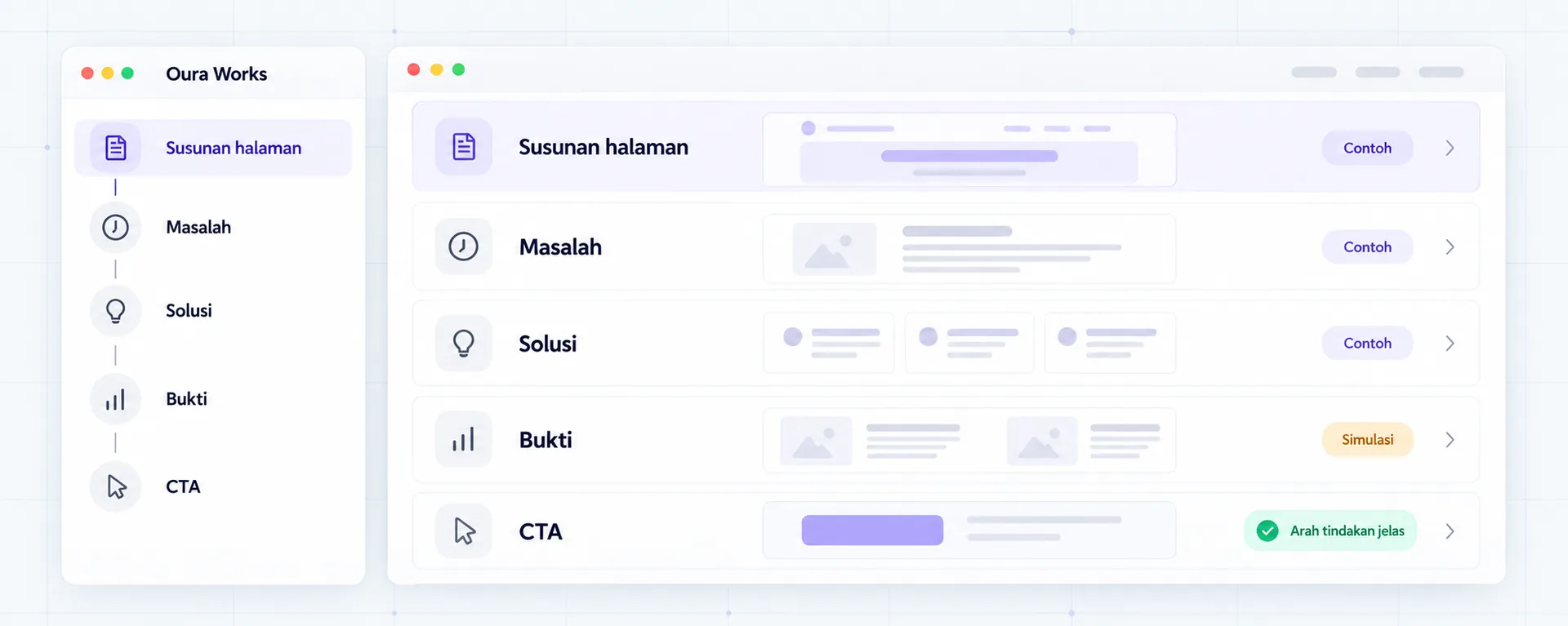
Bylines and dates should represent real processes
Expert attribution helps readers know who is responsible for the content. The reviewer's name should only be included when that person has actually reviewed the material and permitted attribution. Byline templates do not replace a professional review.
The updated date also needs to reflect explainable changes. Note the sources and sections reviewed, especially if the information refers to rules that may change. Do not make “up to date” claims without a maintenance process in place.
In case publications, partners review the substance, byline, and updates. The summary does not reveal the entire review record. The following flow is a recommendation for editorial control so that material can be reviewed and corrected, not a reconstruction of an internal engagement document.
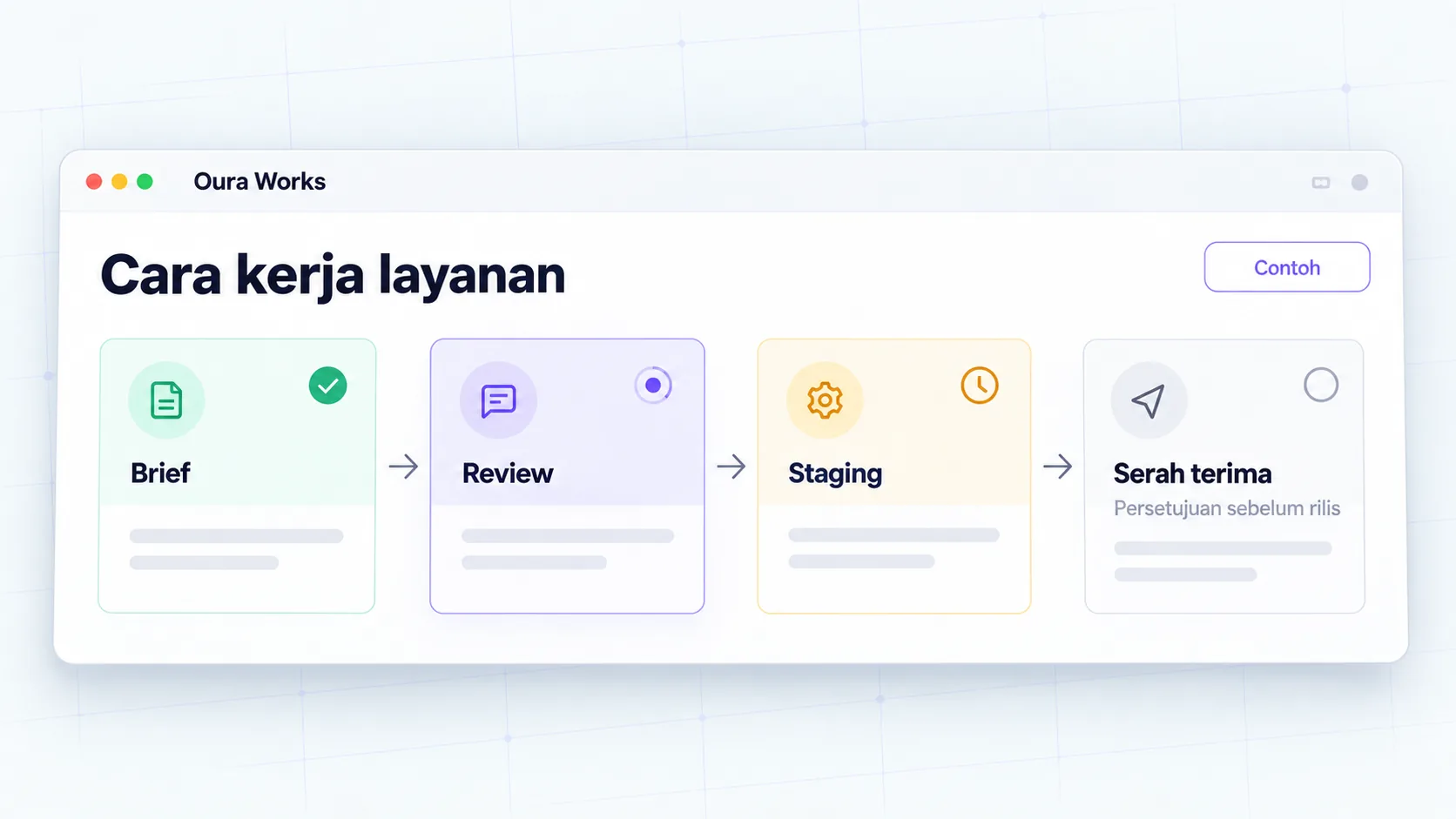
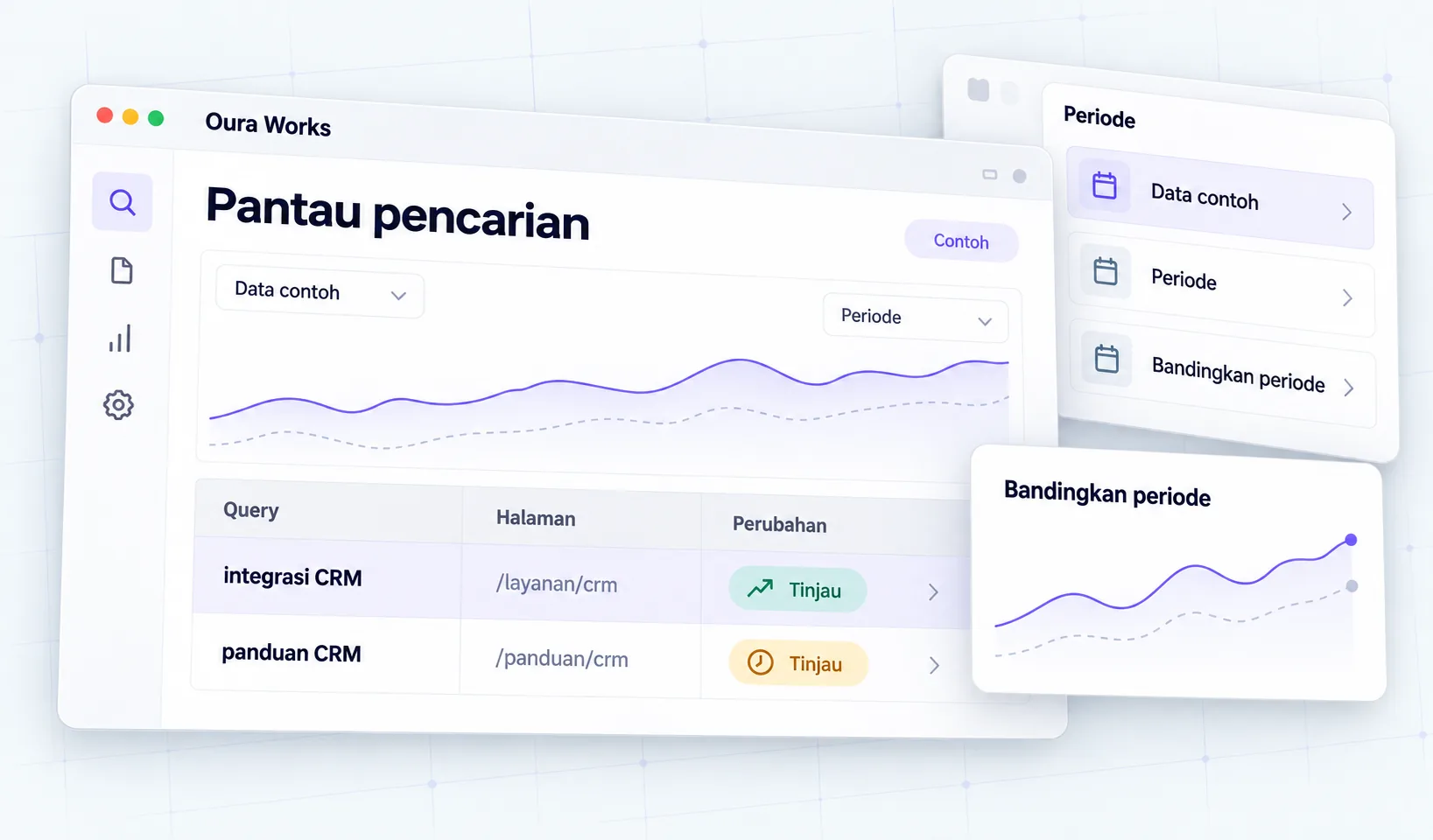
AI rankings and citations need to be reported separately
Case reports of first page keywords increased from six to nine over nine months. The publication also discusses the emergence of AI answers. The two indicators answer different questions and do not prove an increase in the number of clients.
The number of practice areas mentioned in AI answers in public sources has context that is not completely consistent. This article does not add new citation area numbers. The lesson is to save the query, date, platform, and source URL so that observations can be read back.
| Indicator | Observable meaning | Conclusion limits |
|---|---|---|
| First page keywords | Visibility in monitoring samples | Not the number of clients or the quality of service |
| AI Citation | Reference to the checked answer | It doesn't guarantee that the answer will always be the same |
| Inquiry accepted | Readers submit initial requirements | This does not mean that the scope has been agreed upon |
| Material reviewed | Information goes through a recorded review process | Does not replace individual case assessment |
Use visibility monitoring to find material that needs improvement, not to reinforce promises of case success. Buyers still need an appropriate service evaluation process.
Linking information to consultations without excessive claims
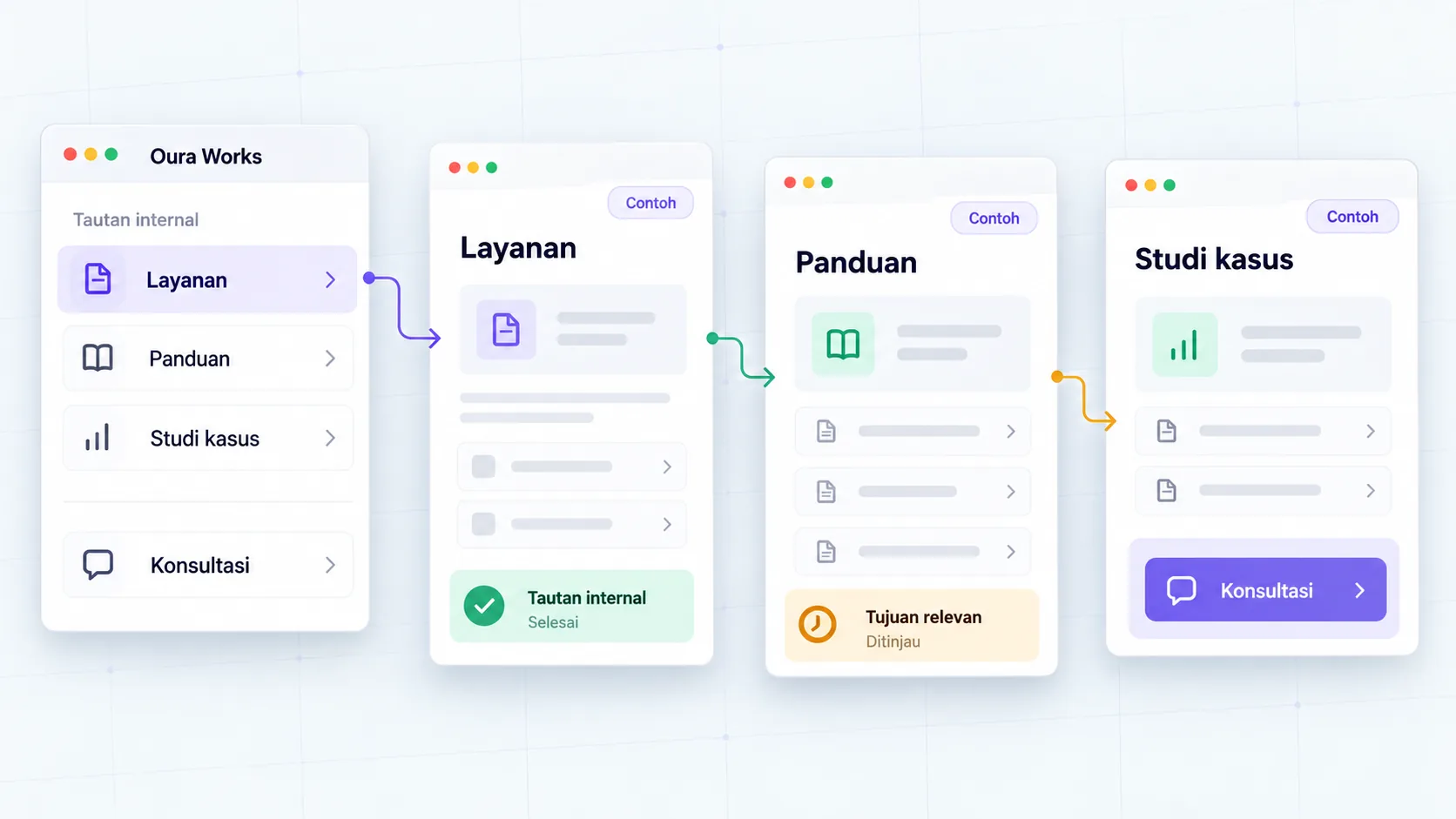
Readers who need explanations can proceed to the guide. Readers who need an individual assessment receive a consultation line that explains the initial steps. Avoid CTAs that give the impression that case results or professional opinions are available before the context is examined.
Internal links are selected based on problem relationships. General articles do not necessarily address all areas of practice. Specific labels help readers know whether the link's purpose is an explanation or a contact step.
Before release, review the form contents, recipient, and confirmation message with the manager. Measure inquiry receipt and follow-up without sending case content to Analytics. This keeps the report useful for the business without collecting unnecessary details.
Checklist before practice material is published
- Confirm the scope of the service as well as who the substance reviewer is.
- Include attribution and date only according to the actual review process.
- Distinguish public explanations from individual case evaluations.
- Check anonymous information to avoid inadvertently identifying clients.
- Report rankings, citations, and inquiries with separate definitions.
Discuss professional services websites with Oura. Bring approved public materials and the acceptance process needs so that planning respects the way your profession works.
FAQs
Can an expert's name be added as a decoration of credibility?
No. Attribution must represent a review or contribution that actually occurred and was authorized. Readers need to be able to understand the responsibility of the content. A name without a review process can give the wrong impression.
Does website content replace legal consultation?
No. The page explains the scope and initial process. Individual situations require context as well as examination by authorized professionals. Don't take general examples as advice for a specific matter.
Does increasing keywords mean increasing clients?
It cannot be concluded from the ranking summary. Inquiry, suitability of needs, and results of commercial processes require separate data. This publication does not provide a basis for causally connecting them all.
How to monitor AI citations responsibly?
Save the query, platform, date, and referring URL. Note the context of the answer as well as the sample limits. Avoid concluding that all users always receive the same answer or that citations prove professional quality.
What information is safe for initial forms?
Use the required fields to specify the follow-up party and reply channel. Sensitive details are discussed through appropriate processes. Case content or personal identification does not need to be sent as an Analytics parameter.
References and source limits
- Oura legal services case for the work and ranking reported.
- Google SEO Guide for content that helps readers.
- Google AI search guide for visibility context.
Source checked October 2, 2026. Article discusses website communications and does not provide legal advice.
Continue on to guides and stories that discuss similar decisions.
More useful service content
Buyer questions formed the basis of eight months of content work.
B2B customer research for websites
Map out needs, objections, and the buying process.
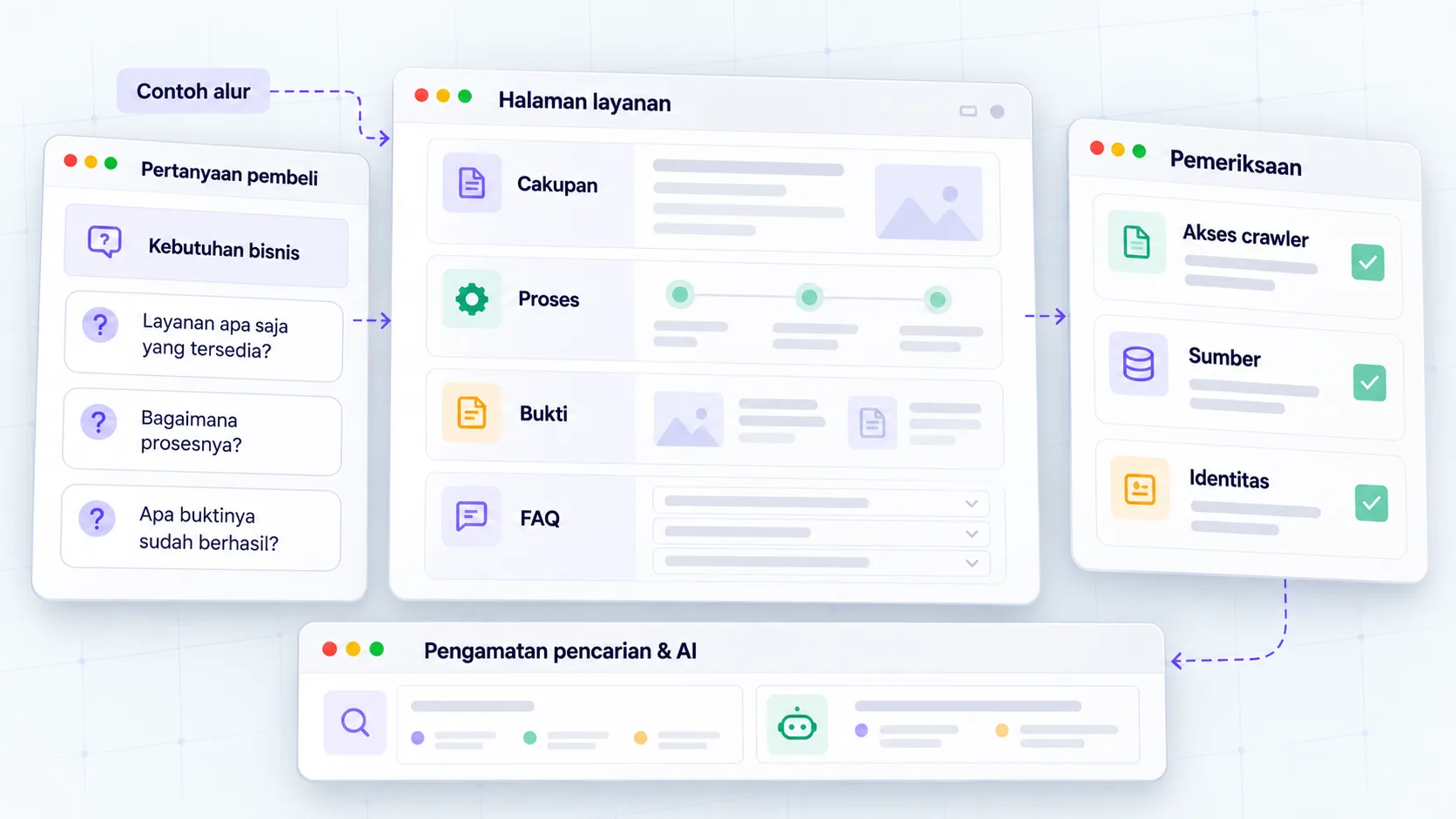
SEO foundation for AI search
Maintain technical access and information that helps readers.
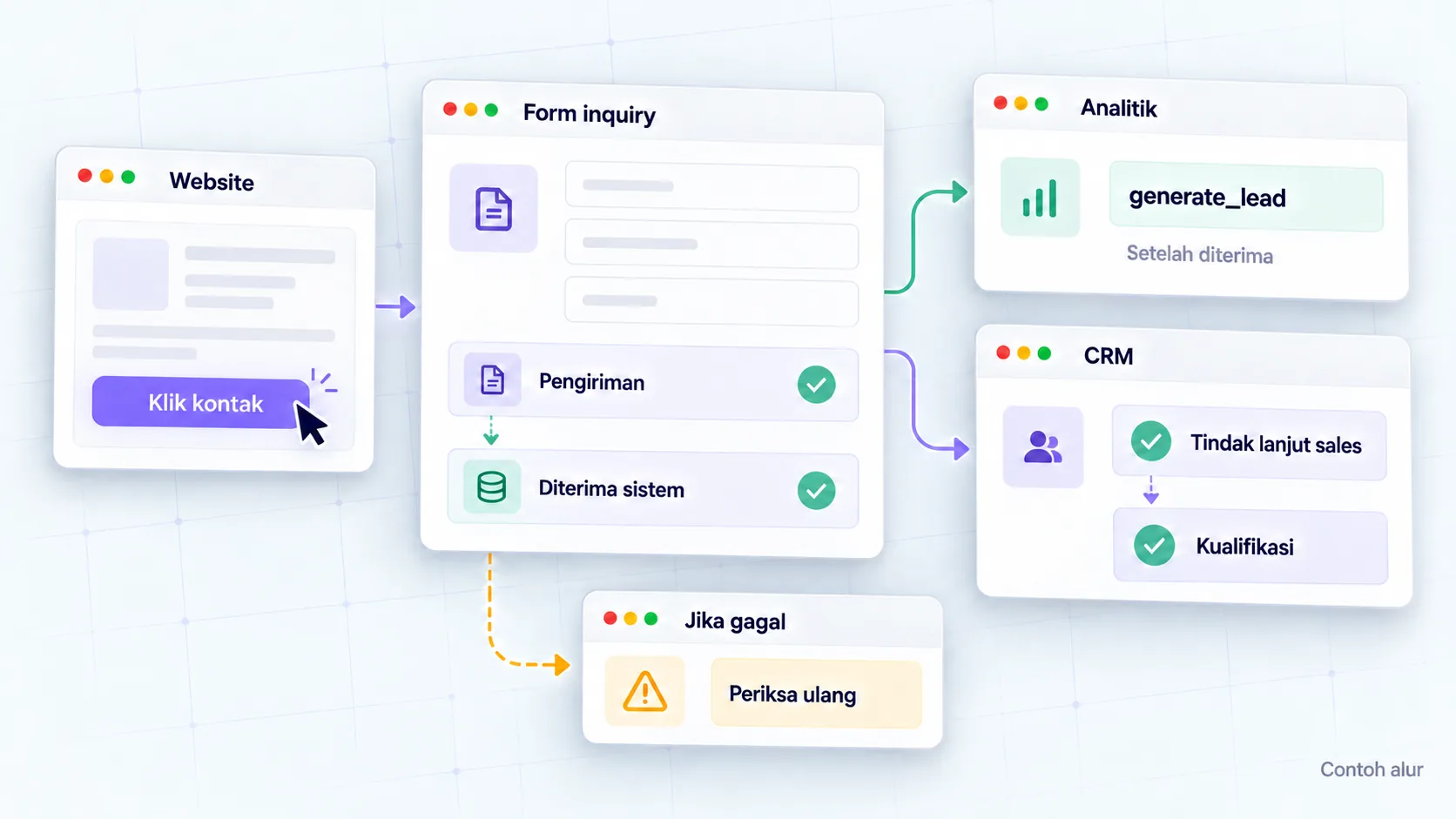
Lead measurement with GA4
Connect website actions to sales context.
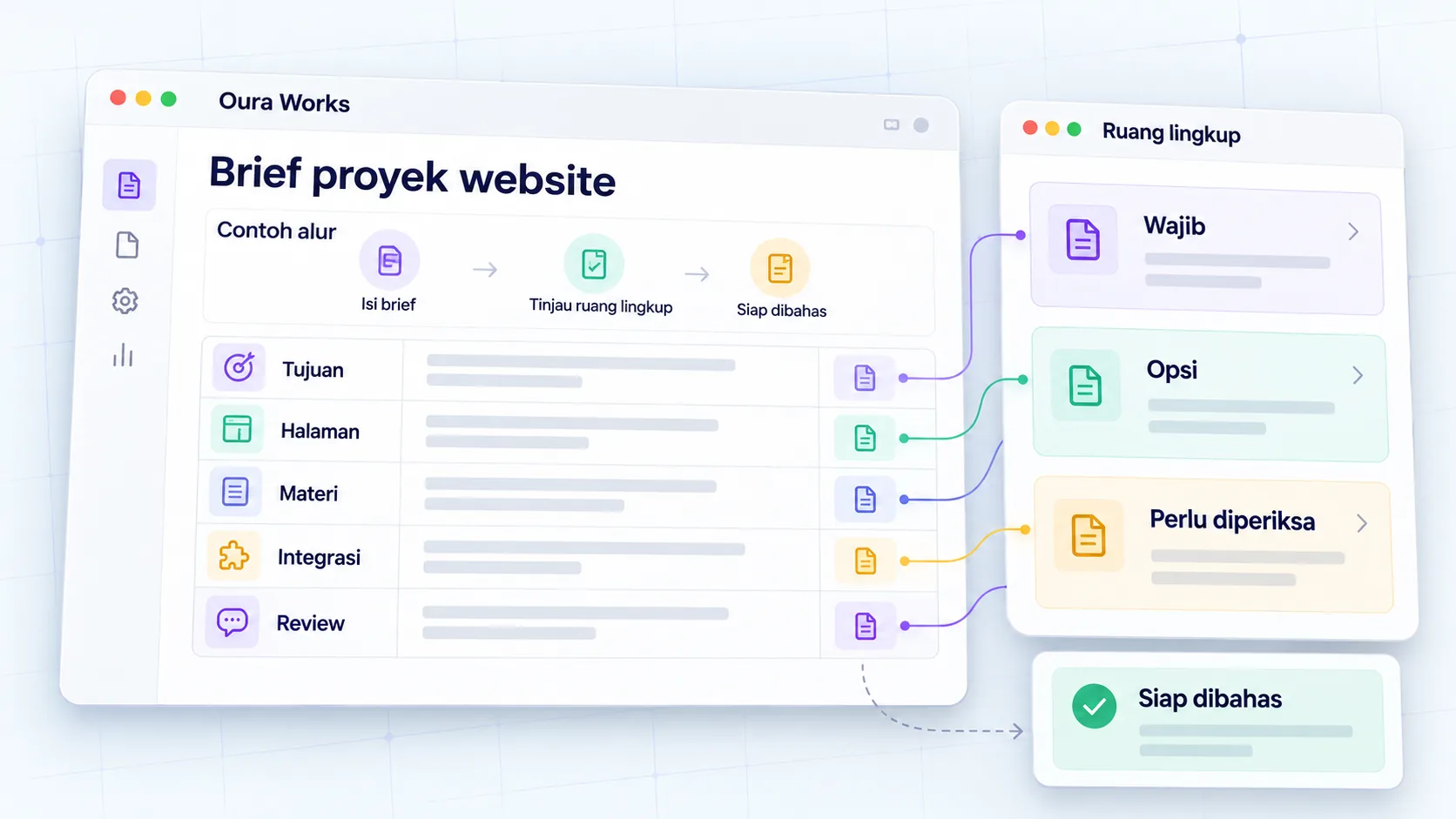
Clear website project brief
Agree on project goals, scope, and decisions.
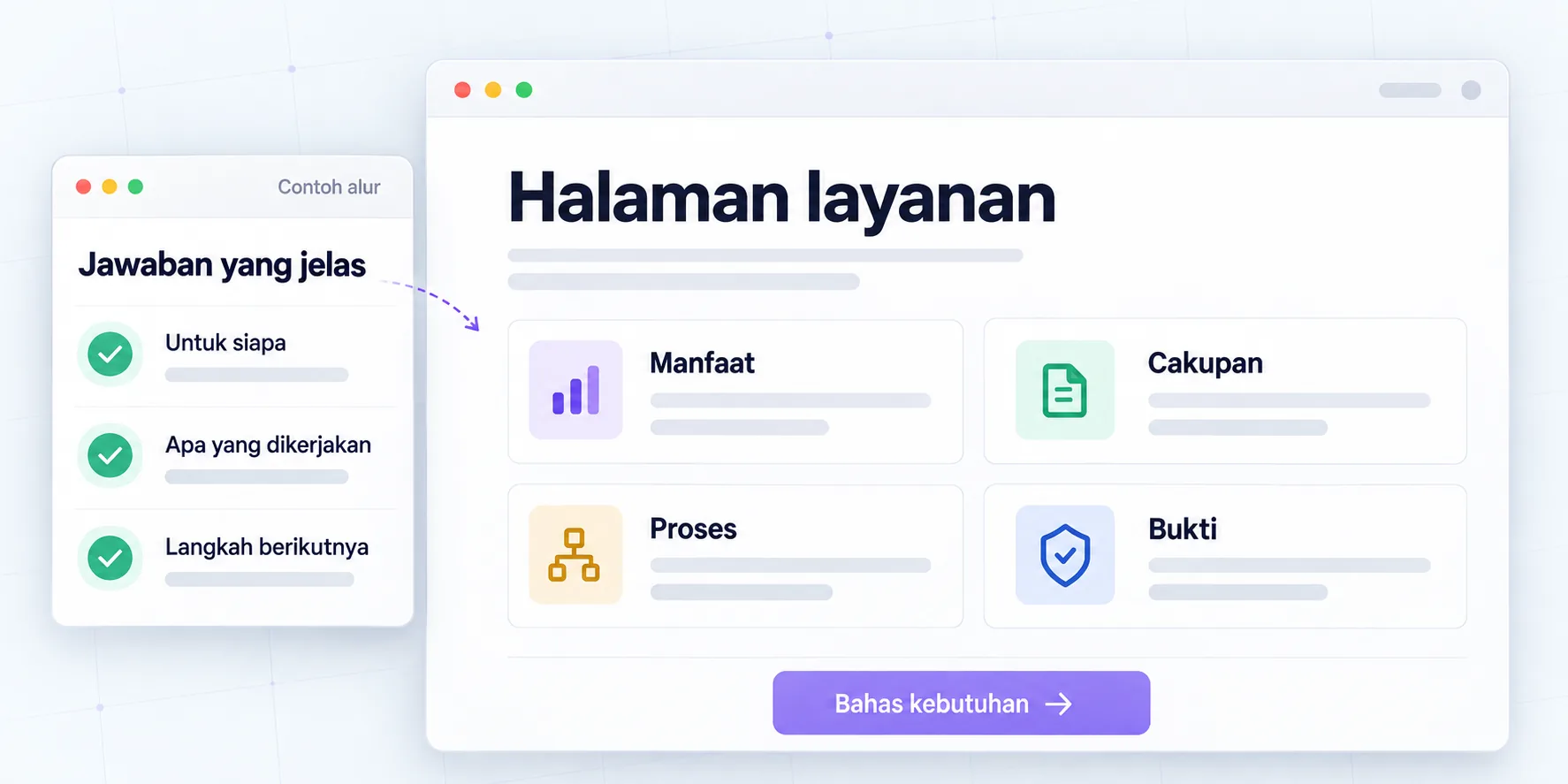
Copy of services before consultation
Clarify benefits, scope, evidence and next steps.