
















Measurable impact • Media & publisher • 5 months • Updated October 2, 2026
Revive content that has lost readers

Oura Works

Update priorities are determined by content contribution, traffic decline, and reader information needs.
This story refers to an anonymous engagement published by Oura. The analysis, decision matrix, illustrations, and checklist below are editorial implementation guidelines; not copies of client documents or additional unattested results.
Summary of work and evidence
| Aspect | Publication summary |
|---|---|
| Sector | Media & publisher |
| Period | 5 months |
| Initial conditions | The publisher has 280 articles, with a 35% decline in annual organic traffic. Many old articles are starting to lose traffic. |
| Jobs | The audit selected 32 priority articles for updating. An editorial calendar incorporates updates and new topics, supports links between content and records revision times. |
| Results reported | In the Oura publication, the annual organic traffic trend moved from minus 35% to plus 8%. The number of articles with monitored traffic drops fell from 127 to 45 over five months. |
| Evidence label | Measurable impact, following Oura publication |
Oura engagement source. Raw data and all test conditions are not available in the public summary. These results need to be read with the initial period and conditions; is not an estimate of results for other businesses.
Decreasing traffic needs to be read per content group
A publisher may have a lot of articles but not yet have a process for reviewing old information. Articles that once engaged readers can lose relevance when questions change, sources no longer apply, or other pages offer more helpful explanations.
This case stems from 280 articles and a 35% decline in annual organic traffic. Website-level numbers signal problems, but don't dictate action for individual URLs. It's worth looking at which articles are losing contributions, what their readership needs are, and whether the decline occurred over a comparable period.
Don't immediately conclude that all articles are not long enough. Issues may be with accuracy, linkages between content, change requests, or technical access. Editorial audits separate symptoms and hypotheses before selecting jobs.

The matrix selects articles that are worth working on
| Article conditions | Required inspection | Initial decision |
|---|---|---|
| Topic still needed, data outdated | Source, date, and changes to information | Update substance |
| Two articles answer the same need | The function, reader, and link of each URL | Consider a combination with migration |
| Good article but difficult to achieve | Navigation and links from related pages | Improve reader path |
| Seasonal needs | Comparative periods and demand patterns | Avoid equating the season with a decline in quality |
| Claims cannot be verified | Evidence and expert review if needed | Correct or limit claims |
This matrix fosters discussion, rather than performing automatic deletion. Old articles can still be valuable as archives if the context is clear. If content is moved, readers and old links need to have appropriate destinations.
Why are 32 articles prioritized?
The publication noted 32 articles were selected for updates. The summary does not include the entire URL selection formula. The lesson that can be applied is to determine priorities with explainable reasons and realistic review capacity.
In the editorial process, priorities may incorporate previous contributions, level of attrition, relevance to readers, as well as source availability. Topics that are important but require more lengthy verification will need to be on a different schedule than simple contact or link corrections.
Starting from questions that have not been answered properly. Create an opening that provides immediate orientation, then add explanations, examples, and tables only if they help the reader's decision. Adding paragraphs to keep up with the length of an article does not improve the usability of its content.

Updates should change the content, not just the date
The latest date may raise expectations that the information has been checked. Therefore, note the changed sections, new sources, as well as who reviewed. If you only fix typos, don't state that the entire article has gone through a substance review.
For technical topics, prioritize official documentation relevant to the current version. For business results claims, ask for definitions of indicators and periods. If sources conflict, limit the conclusion and explain the limitations rather than selecting the most compelling number.
The editorial calendar needs to make room for updates and new topics. Determine the person responsible, review limits, and conditions that trigger urgent corrections. These notes allow work to continue when authors change.
Minus 35% becomes plus 8% instead of a 43% increase in traffic
The published figures depict a change in annual traffic trends from minus 35% to plus 8%. The difference is 43 percentage points on that measure of annual growth. That's not the same as saying total traffic rose 43% from one period to the next.
Comparison of visit counts requires absolute numbers and comparable date ranges. The summary also mentions articles with monitored attrition changing from 127 to 45, but does not explain the entire cohort definition and attrition threshold. Use as a summary of reported results, not an independent audit measure.
| Publication figures | Correct reading | Additional data required |
|---|---|---|
| YoY −35% to +8% | The direction of the annual comparison is improving | Comparative volume and date range |
| Articles decreased by 127 to 45 | The number classified as declining is reduced | Definitions, sample URLs, and thresholds |
| 32 articles updated | Priority scope of work | List of changes and release date |
Performance changes can be influenced by seasons, requests, search updates, and other changes to the website. Case summaries do not provide controlled experiments to isolate all of these causes.
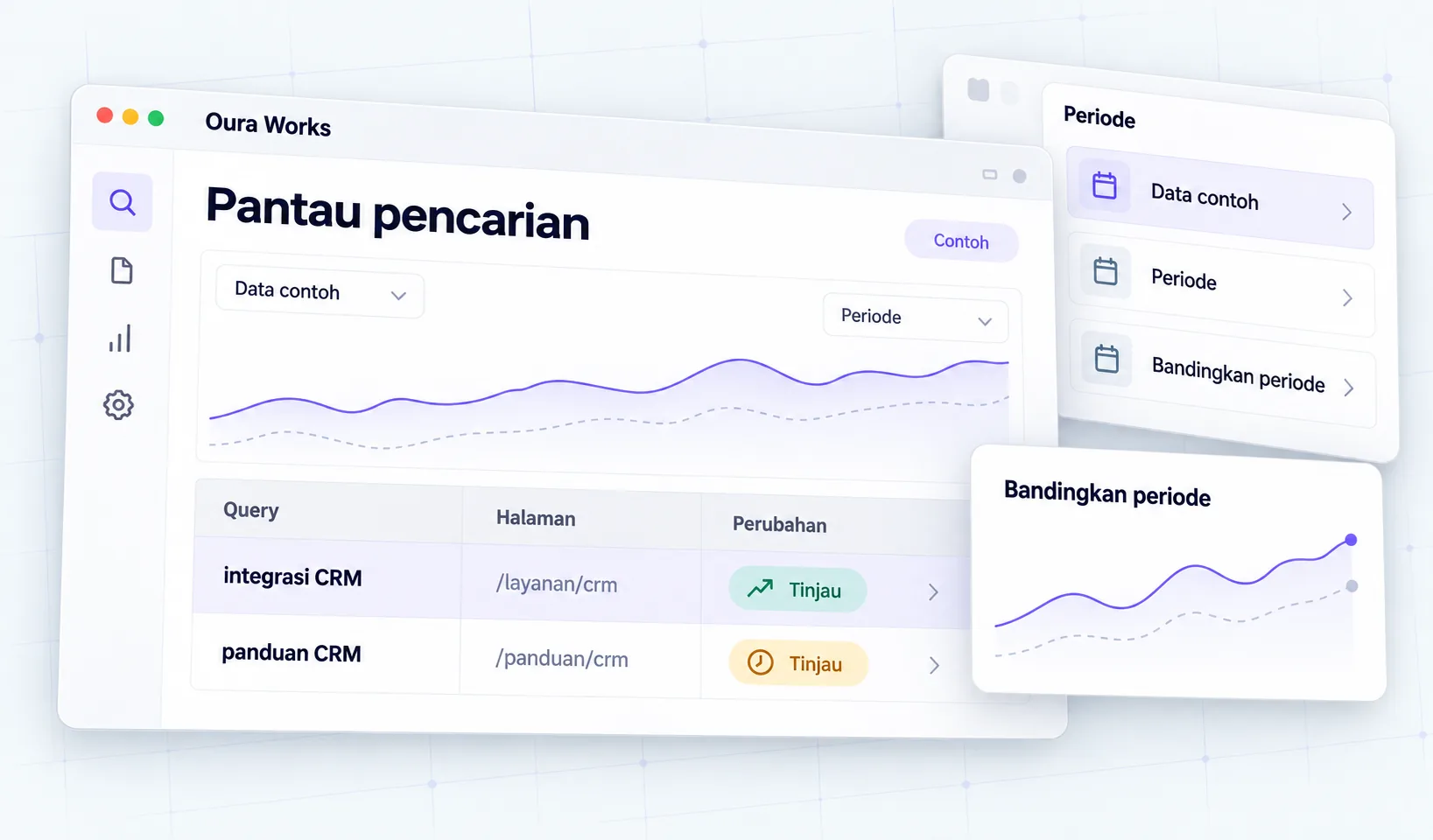
Relationships between content help readers move on
One article update is not enough if the related article remains outdated or links to the wrong page. Review the connections from the main guide to supporting explanations, case studies, and next actions. Link labels should explain the content of the destination.
Combine only when the needs being addressed are the same. If two articles have different audiences or situations, clarify their roles and connect them. Content structure decisions should be recorded with reasons, not done as a URL count cleanup.
After release, check the priorities and changelog pages. If traffic drops on a changed article, look at access, links, and request context before rolling back. Save the old version so the team can concretely compare the substance.

Checklist to start the update cycle
- Note the URL, function, owner, source, and review date of each priority article.
- Compare comparable periods and save indicator definitions.
- Distinguish between substantive corrections, structural changes, and technical improvements.
- Update links and related material when an article is merged.
- Set the next observation date after the release.
Discuss editorial audits with Oura, by bringing an inventory of shareable content and data. Priorities can be formulated without immediately rewriting the entire website.
FAQs
Is changing the date enough to restore the article?
No. Dates must reflect correct changes and reviews. Check whether the information, sources, answer structure, and relationships between content still help readers. Merely changing the date does not prove substantive renewal.
Does the difference between −35% and +8% mean traffic increased by 43%?
No. That's a 43 percentage point difference on the annual growth measure. An increase in the amount of traffic between two periods requires absolute volume and clear comparison dates. Public summaries do not provide all that data.
Which articles should be combined?
Articles that address the same needs may be considered after checking their function, audience, links, and contribution. Set up relevant migration destinations. Don't combine just because the titles use similar keywords.
What if the old source is no longer available?
Look for verifiable primary sources or limit claims. If information cannot be verified, explain its limitations and correct any misleading parts. Don't keep a number just because it has been in the article for a long time.
How long will it take to observe the update?
Periods follow data volume, seasonal patterns, and types of changes. Note the release date and updated URL families for clear comparisons. Avoid setting one recovery time that applies to all publishers.
References and source limits
- The case of publisher Oura for the scope and trends reported.
- Google SEO Guide for content that helps readers.
- Google AI search guide for content and visibility relationships.
Source checked October 2, 2026. Audit recommendation does not add traffic data or causal attribution that is not already available.
Continue on to guides and stories that discuss similar decisions.

Expert-reviewed legal content
Partner expertise and reviews supported nine months of work.

Copy of services before consultation
Clarify benefits, scope, evidence and next steps.

SEO foundation for AI search
Maintain technical access and information that helps readers.

Lead measurement with GA4
Connect website actions to sales context.

Clear website project brief
Agree on project goals, scope, and decisions.