














Measurable impact • Logistics & 3PL • 8 months • Updated October 2, 2026
Operational information that helps buyers prepare RFPs

Oura Works
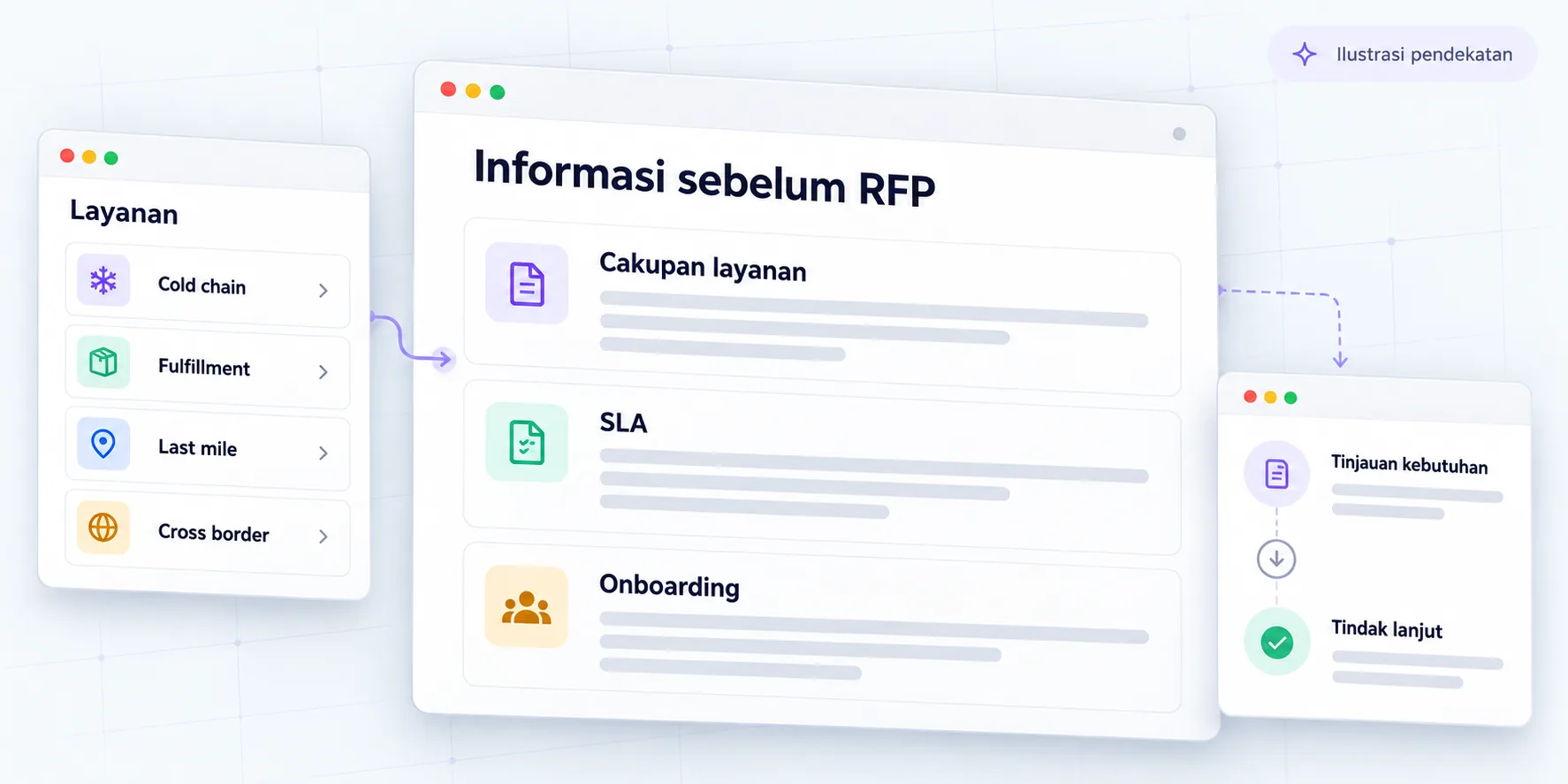
Logistics companies can have strong operations but still be difficult to assess before buyers talk to sales. The procurement team needs to know the service areas, types of goods, relevant capacities, as well as the process for initiating collaboration. A company profile that only explains the scale of the company does not answer that need.
This case study highlights the relationship between checkable operational information and clearer bid requests. The engagement story follows Oura's publication. The analysis sections, sample tables, and checklists are editorial recommendations to help you apply the lessons; not a reconstruction of confidential client conversations or documents.
Published engagement summary
| Aspect | Caption from Oura publication |
|---|---|
| Business | Anonymous 3PL provider with eight warehouses |
| Initial conditions | Acquisition is dominated by referrals; information for procurement is incomplete |
| Period | Eight months |
| Main job | Four service pages and three anonymous case studies; inquiry measurement to CRM |
| Results reported | Three enterprise queries made the AI shortlist; Inbound RFPs account for 15% of the pipeline |
| Evidence label | Measurable impact, as published by Oura |
Read logistics engagement resources. The public summary does not include CRM exports, contract values, or a complete list of AI tests. Therefore, the figures above are not used as projected results for other businesses.
Analysis: what information is needed before the RFP?
Logistics buyers don't always start with the vendor's name. They can start from cold chain needs, fulfillment, final stage delivery, or cross-border distribution. Each need generates different questions about coverage, exceptions, item handling, integration, and moving from previous vendors.
In website design, one page per service is worth considering when the information and bidding processes are different. However, creating pages for each city without appropriate proof of operation would add maintenance work and risk confusing buyers. The area served must comply with the operational team's confirmed capabilities.
Sales also needs material that buyers can pass on to procurement and legal. Pages that are stable, have review dates, and differentiate the scope of standards and specific requirements are easier to use in internal discussions than general slogans. These materials assist in the evaluation phase, but do not replace vendor and contract inspections.
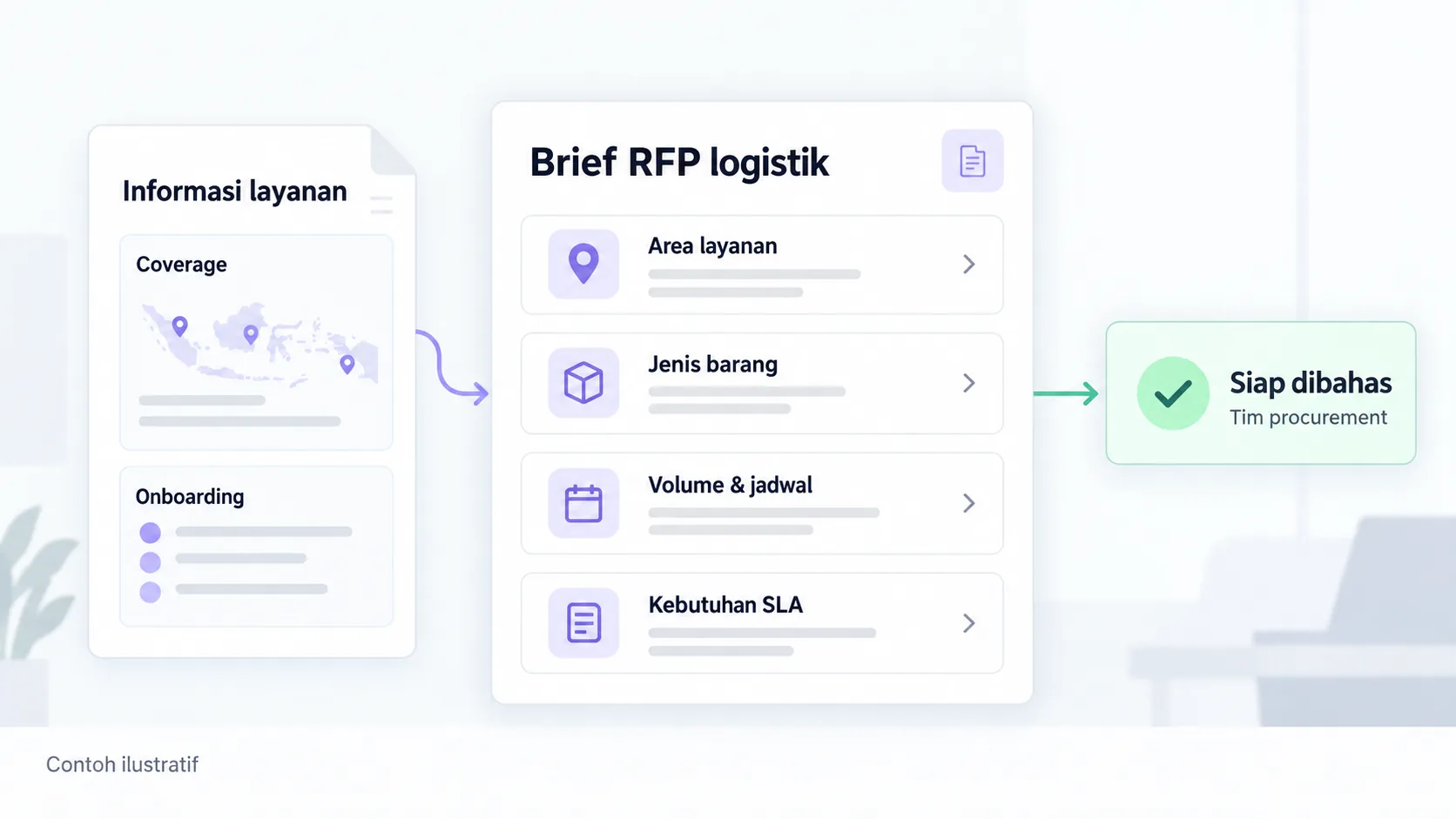
Example of procurement requirements matrix
The following table is an example of content planning. The final column helps the team choose who checks the information before publishing. Confidential commercial or operational details may be discussed through the bidding process, while the website contains sufficient public information to assess initial suitability.
| Buyer questions | Helpful public information | Person in charge of review |
|---|---|---|
| Is my area served? | Region, type of service, and coverage limits | Operational |
| Does the character of the item match? | Handling conditions and accepted categories | Operations and quality team |
| How does onboarding go? | Requirements mapping, integration testing and approval stages | Implementation |
| How are SLAs discussed? | Definition of indicators, scope, exceptions, and escalation paths | Operational and legal |
| What data is required for a quote? | Point of origin–destination, character of goods, volume, period | Sales |
Avoid confusing delivery time promises, accuracy targets, and compensation mechanisms. All three have different functions. If there is a range of services, state the conditions that affect it and direct the buyer to confirm the need. This article discusses website communications, not setting industry SLA standards.
Design the path from service to quote request
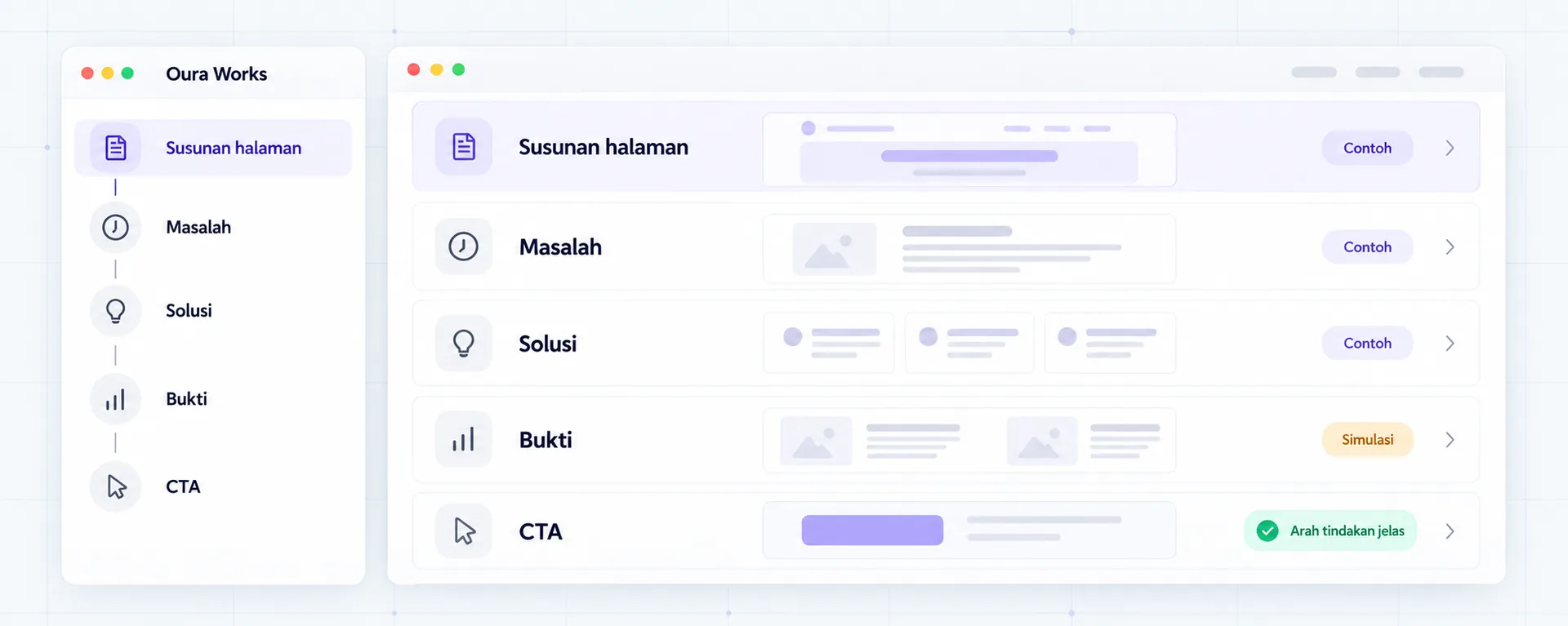
Start the page with a service summary and corresponding needs profile. Continue with coverage, handling processes, onboarding stages, and evidence that may be published. The information must be readable without downloads or logins. Additional technical documents can still be provided if they are useful for further review.
The CTA then asks for data that helps with the initial conversation. For fulfillment, requirements can include SKU characteristics, order frequency, and the system used. For cold chains, handling conditions need to be reviewed further by the authorized team. The form does not need to be a complete RFP; required fields are sufficient to determine the recipient and the next step.
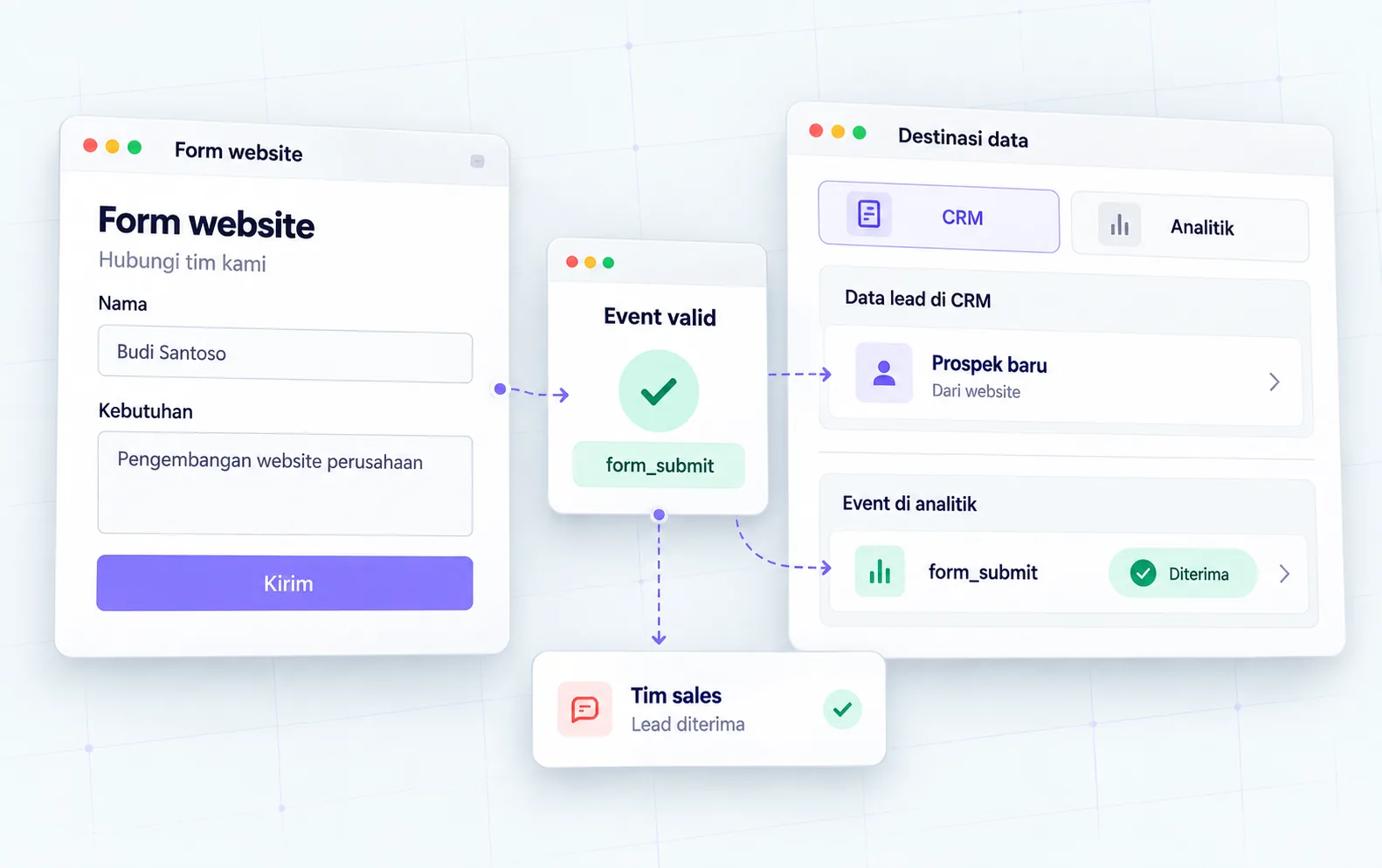
After successful delivery, the buyer needs to know that the requirements have been received. Internal teams need reference numbers, follow-up owners, and a way to spot duplication. Don't promise a response time that cannot be met operationally. Align confirmation messages with sales procedures that are actually available.
Publication controls for SLAs and anonymous proofs
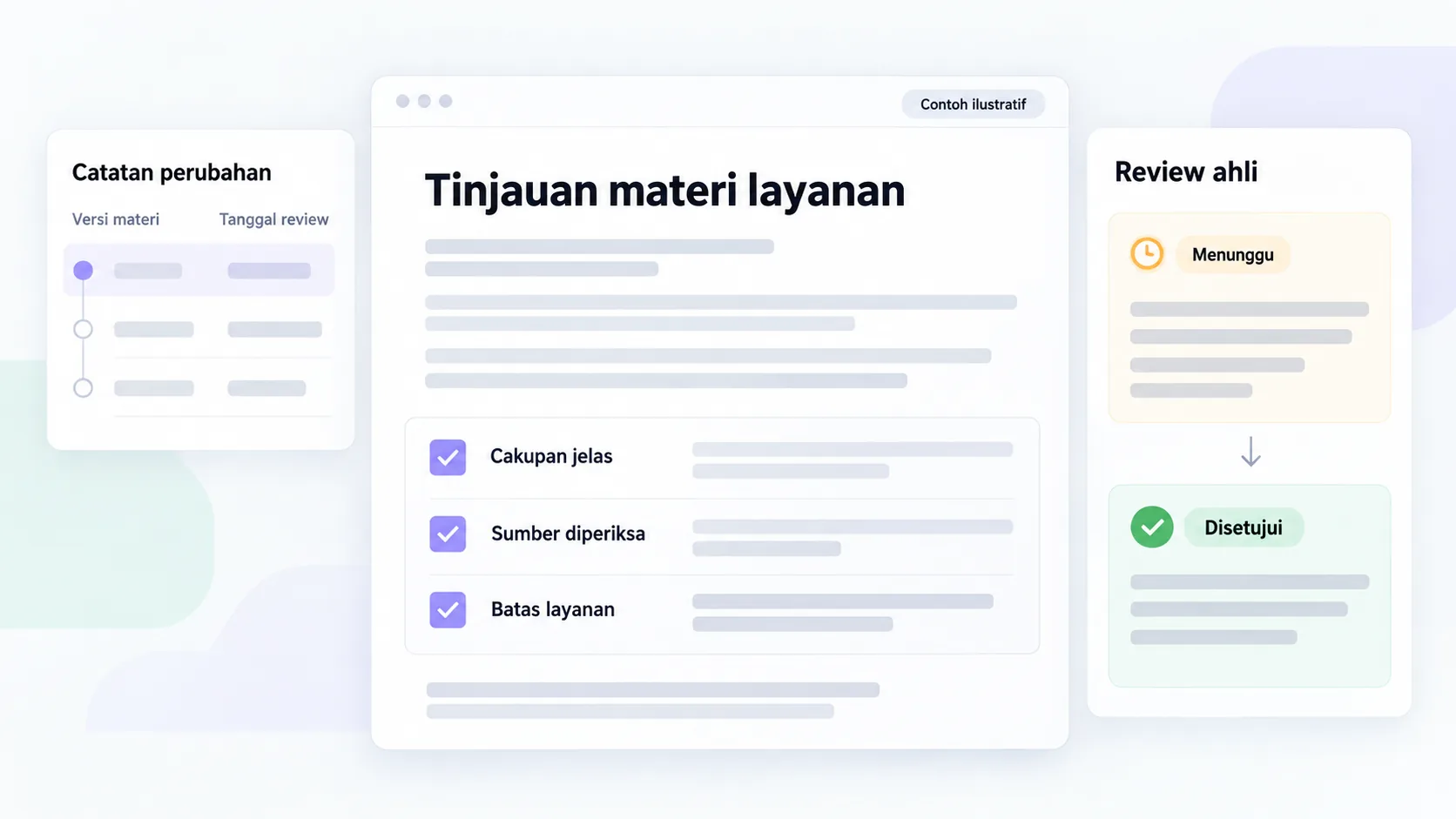
Content authors should not determine the scope of the SLA themselves. Use approved operational sources, determine who reviews the figures or terms, then note the published version. When coverage changes, website materials and sales decks need to be updated together so buyers don't receive conflicting explanations.
In anonymous case studies, names being removed does not necessarily make all the information safe to publish. A combination of industry, region, volume, and period can still identify a company. Reviews must include story content and illustrations. Use a synthetic example to explain the process if the original document cannot be shared.
Before release, check download links, forms, notification recipients, and display on buyers' devices. Save the previous version so that content errors can be corrected. Material approval is a distinct step from successful technical deployment; both should be clear in the job listing.
How to read results: shortlist, referral, and pipeline
AI shortlisting is an observation on specific queries and conditions. Note the platform, question, date, location or language if relevant, name mentioned, and referral URL. The appearance of one answer does not mean all buyers saw the same answer or that the vendor will always be selected.
Website referrals signal that someone visited the page through a recognizable path. Next, the inquiry must be checked with sales. Visitors can return via other channels, and not all visits bring a complete referrer. Use the buyer's stated source notes as a supplement, taking into account permissions and recording processes.
| Signal | What can be read | What has not been proven |
|---|---|---|
| Mentioned in AI's answer | There is visibility on sample questions | Reach all potential buyers |
| Referral to service page | There are recorded visits | Suitability of requirements or contract |
| RFP received | There is a request for review | Proposal accepted or sale completed |
| The pipeline is recorded | There are opportunities in the sales process | The entire value becomes income |
The 15% figure in the summary is the reported pipeline composition, not a 15% increase in sales. The publication does not detail the pipeline weighting basis in a concise table. Don't convert it to a contract amount or revenue value without additional data. Learn GA4 lead measurement to differentiate website actions and sales status.
Follow up when inquiries come in but are not suitable
Check the types of requests received before adding traffic. If buyers often request areas that are not served, it is possible that the coverage limits are not yet clear. If sales still have to ask for product characteristics in every conversation, consider fields or preparation guides that help buyers provide context.
Incompatible needs should not automatically be considered bad. Record the reasons with consistent categories: scope, volume, timing, item type, or service. These patterns can help improve pages and offers. Change priorities follow repeated evidence, not one very specific request.
Checklist for initial discussion
- Select services and areas that can be described accurately.
- Prepare a public SLA definition as well as any exceptions that need to be discussed.
- Determine the operational, legal and sales review owner.
- Ensure case study permits and supporting documents are available.
- Check the form was successfully received and mapped to the correct recipient.
- Match the definitions of inquiry, RFP, opportunity, and contract in the report.
- Note the context of the AI's observations without making them a guarantee.
Lessons for your logistics business
This approach is relevant when operational capabilities are available but difficult to check via the website. Improvements start from correct material, then page structure and acceptance of inquiries. If service capabilities or sales processes have not been agreed upon, the first job is to agree with the team.
Bring one example of a service, one type of prospect, and the current RFP pipeline for discussion with Oura. From there, priorities can be formulated based on the most obvious obstacles.
Logistics case study FAQ
Do all SLA details have to be published?
No. The website needs to contain sufficient information for an initial evaluation. Contractual details, special exceptions or sensitive data may follow in the bidding process. Determine publication limits along with operational and legal ones, then explain which information needs to be confirmed through sales.
Does being on the AI shortlist mean an RFP is coming?
Not automatic. Shortlist is a visibility signal on a sample of observations. RFPs are also influenced by service suitability, buyer needs, available information, and the procurement process. Record the visit path and inquiry status separately so that the relationship can be reviewed.
What does a 15% RFP inbound pipeline mean?
Oura publications use these numbers to describe the pipeline portion of this engagement. That number is not revenue growth or proposal win rate. The basis of calculations needs to be checked through operational sources before being used in more detailed comparisons.
Can the website still provide PDF brochures?
Yes. The webpage provides easy-to-read key answers and context; PDF helps with more detailed document needs. Keep versions, dates and information consistent across both formats so buyers don't receive different specifications.
What needs to be prepared before an audit?
List of services, applicable coverage, frequently asked sales questions, related URLs, and an example of the RFP acceptance process. Client or contract data does not need to be published. Access and materials required for the work are determined once the scope is agreed upon.
References and limits of evidence
- Oura: logistics engagement publication.
- Google: a guide to generative search.
- Google Analytics: key events.
The client's identity remains anonymous. Illustrations are examples, not screenshots of client systems. Editorial analysis does not add unpublished engagement results. Source checked on October 2, 2026.
Continue on to guides and stories that discuss similar decisions.
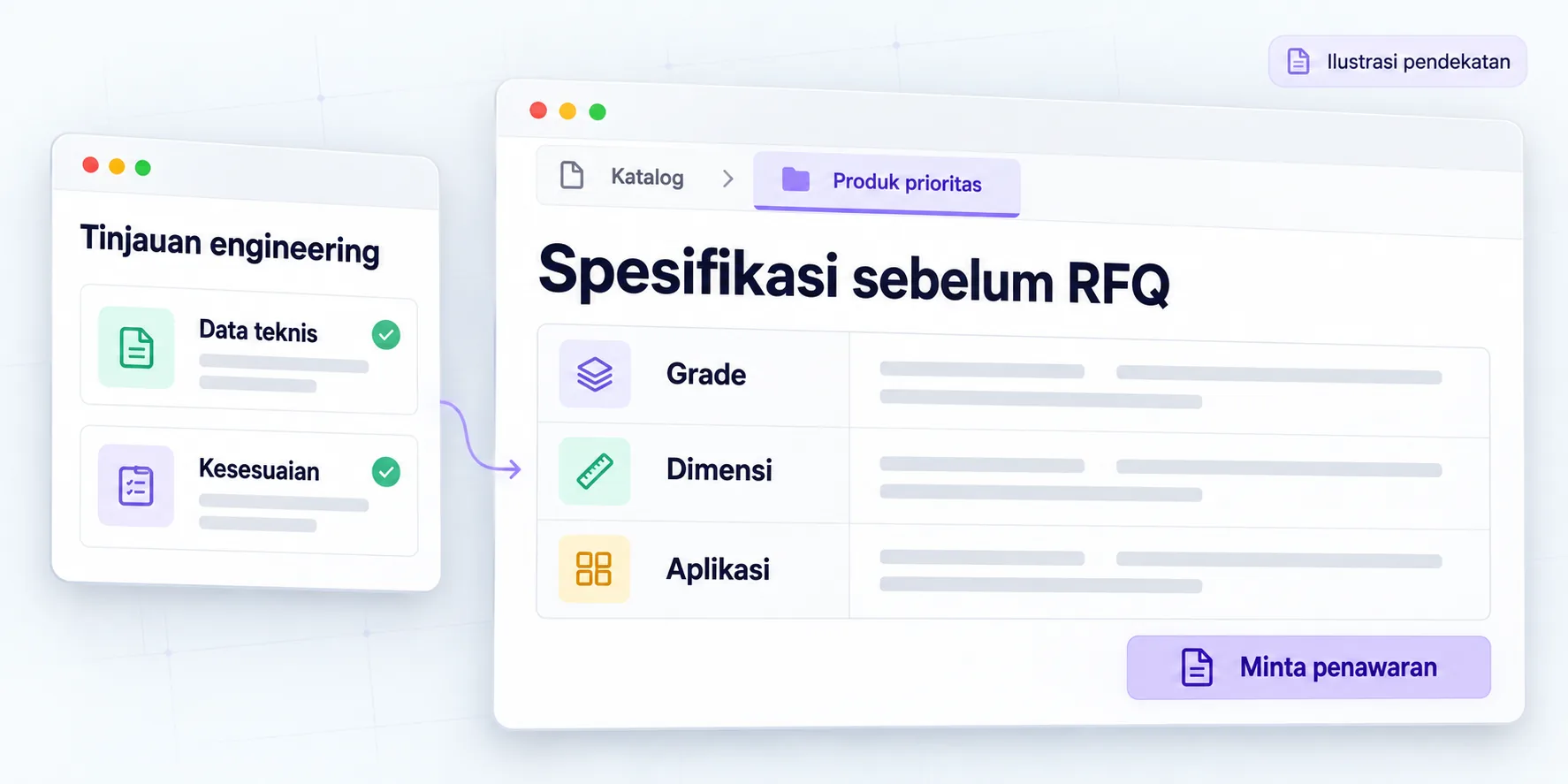
B2B specifications before RFQ
Technical product pages are structured over a seven-month engagement.
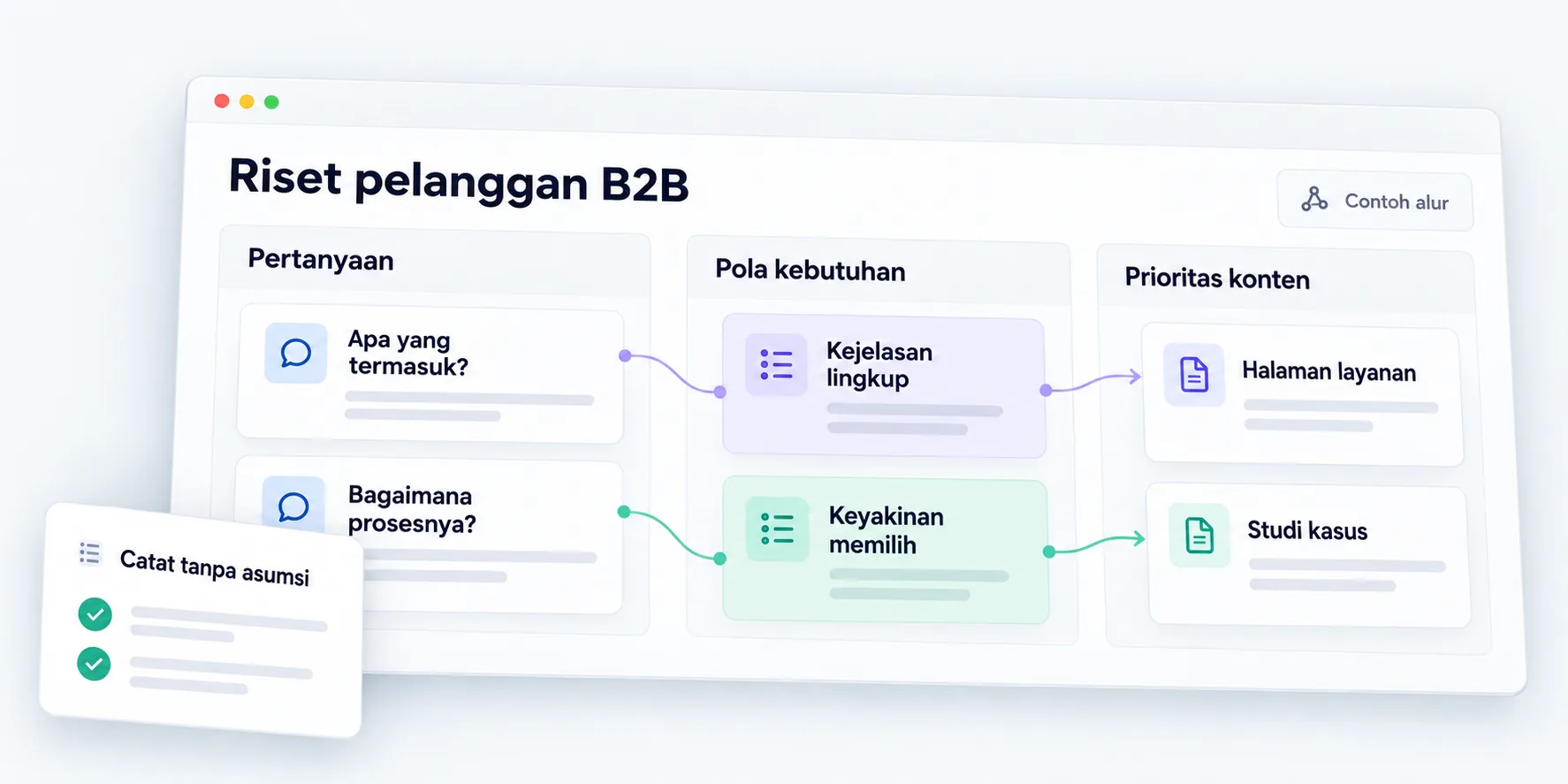
B2B customer research for websites
Map out needs, objections, and the buying process.
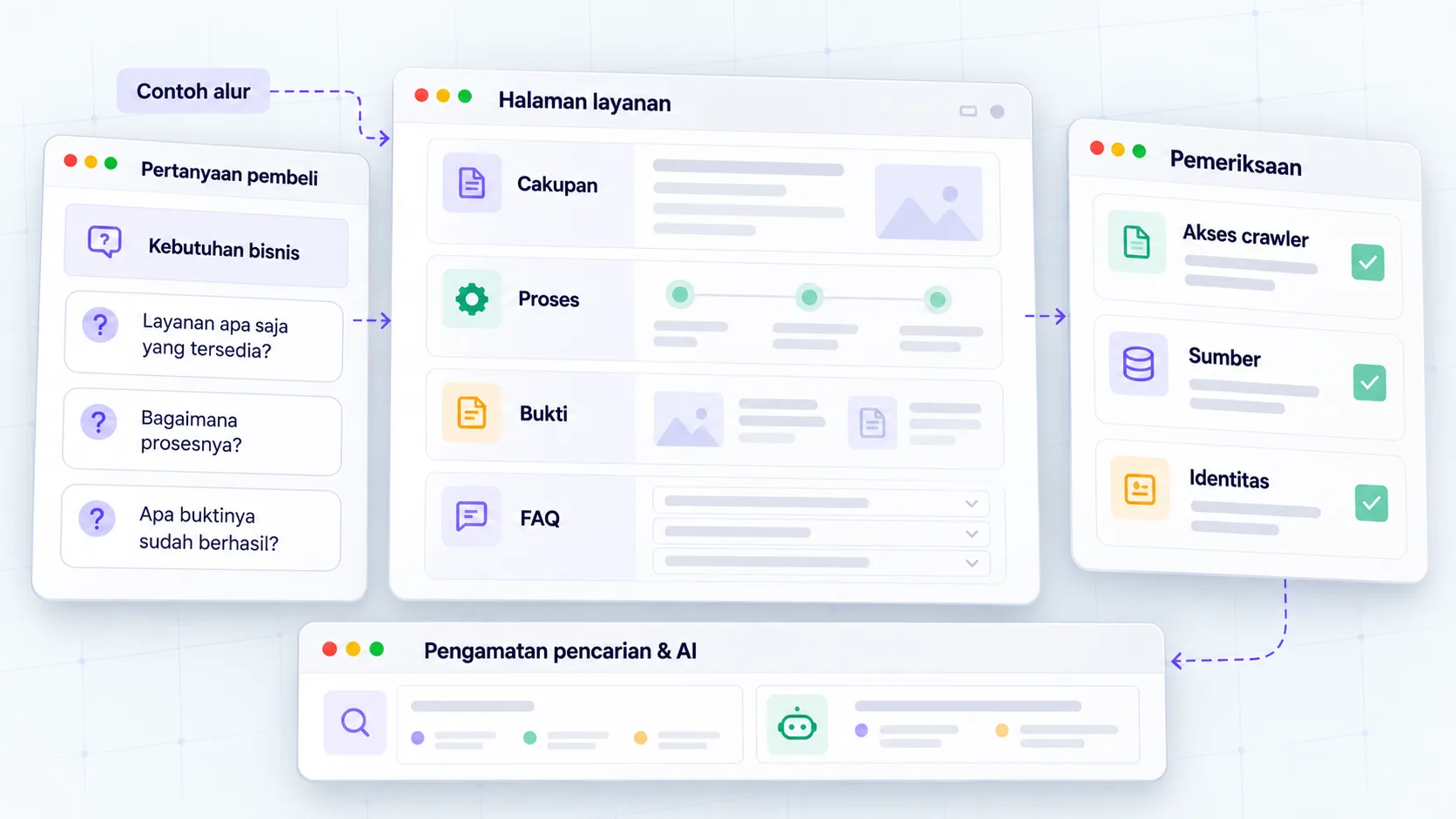
SEO foundation for AI search
Maintain technical access and information that helps readers.
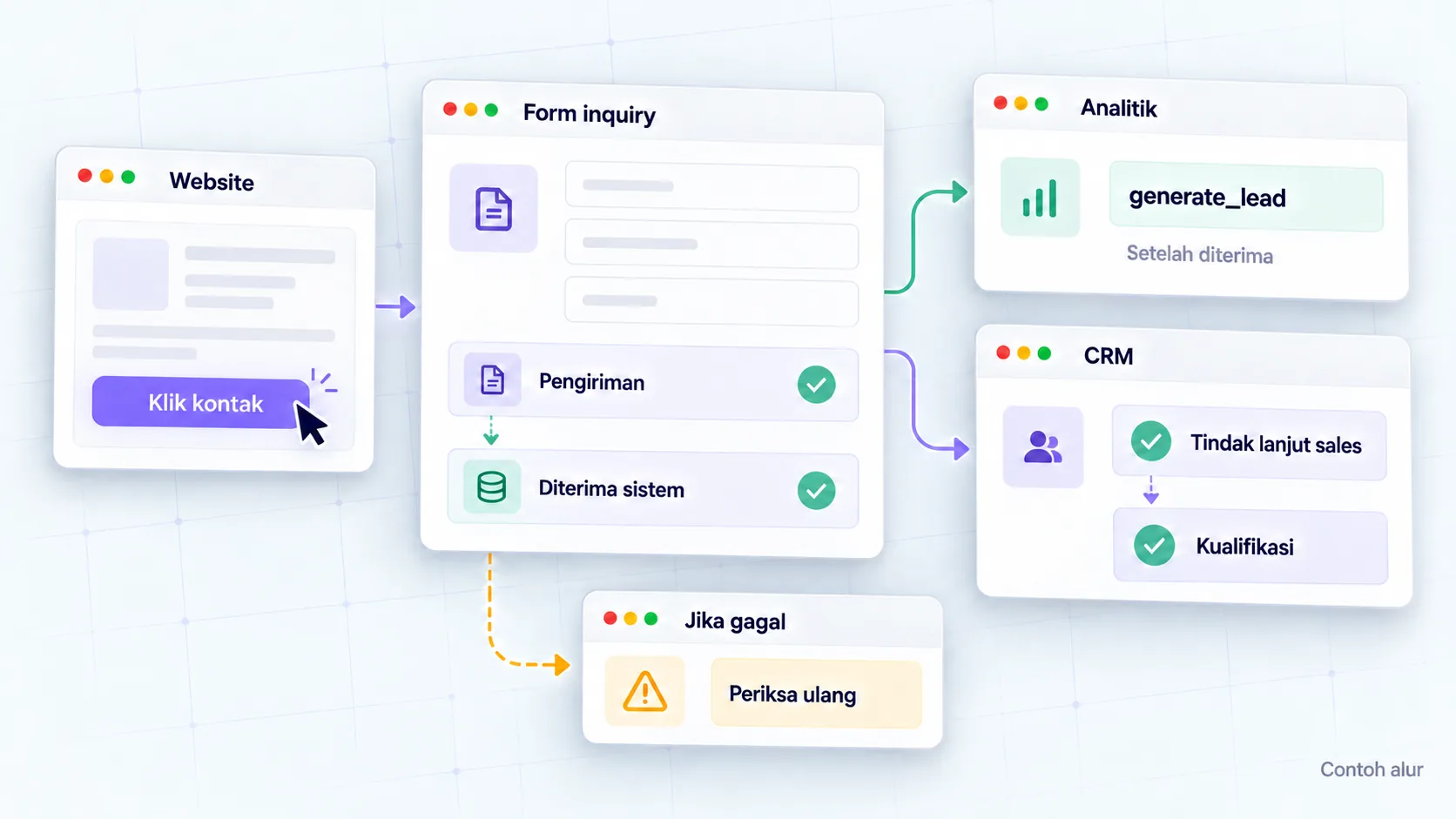
Lead measurement with GA4
Connect website actions to sales context.
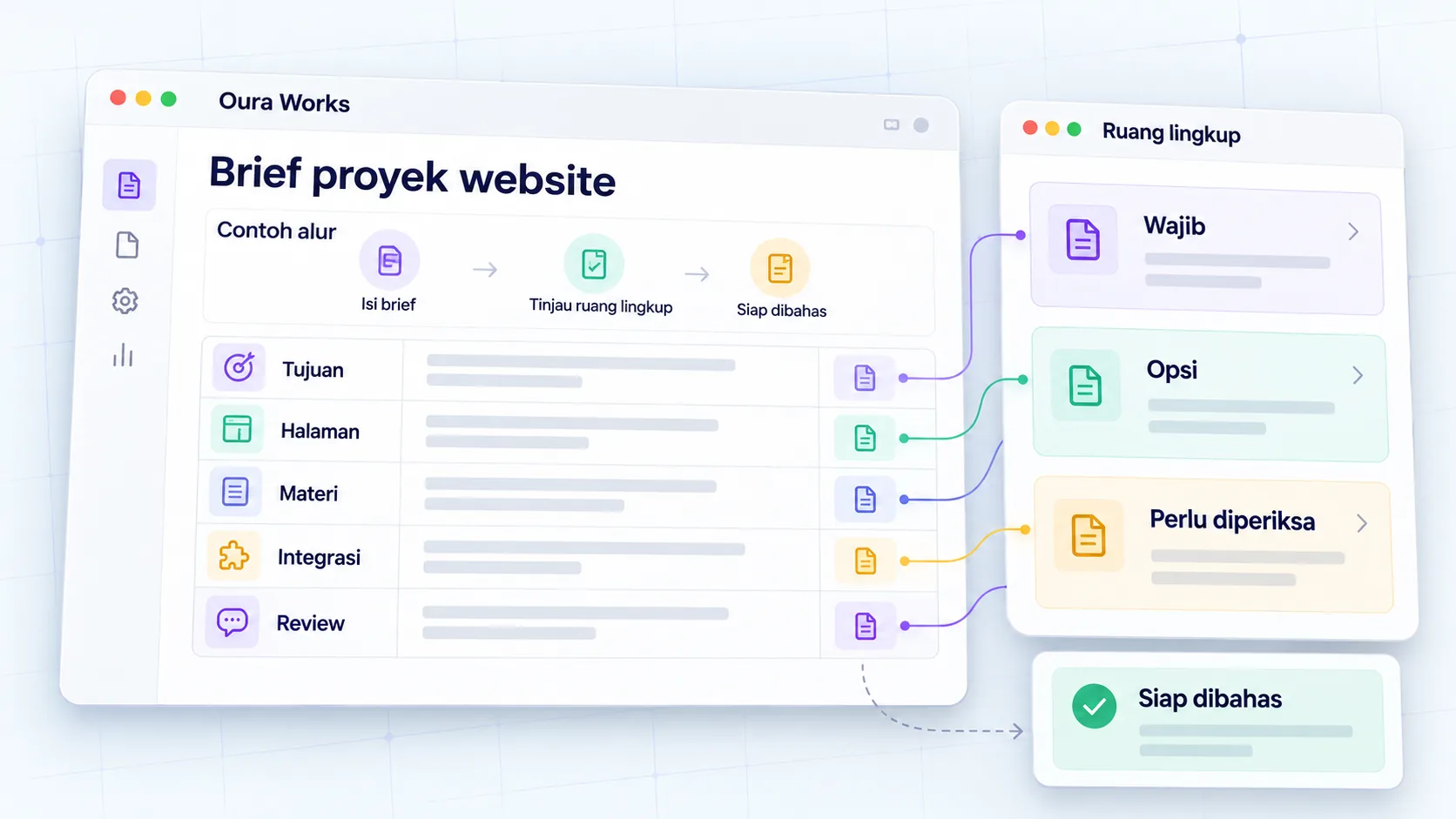
Clear website project brief
Agree on project goals, scope, and decisions.
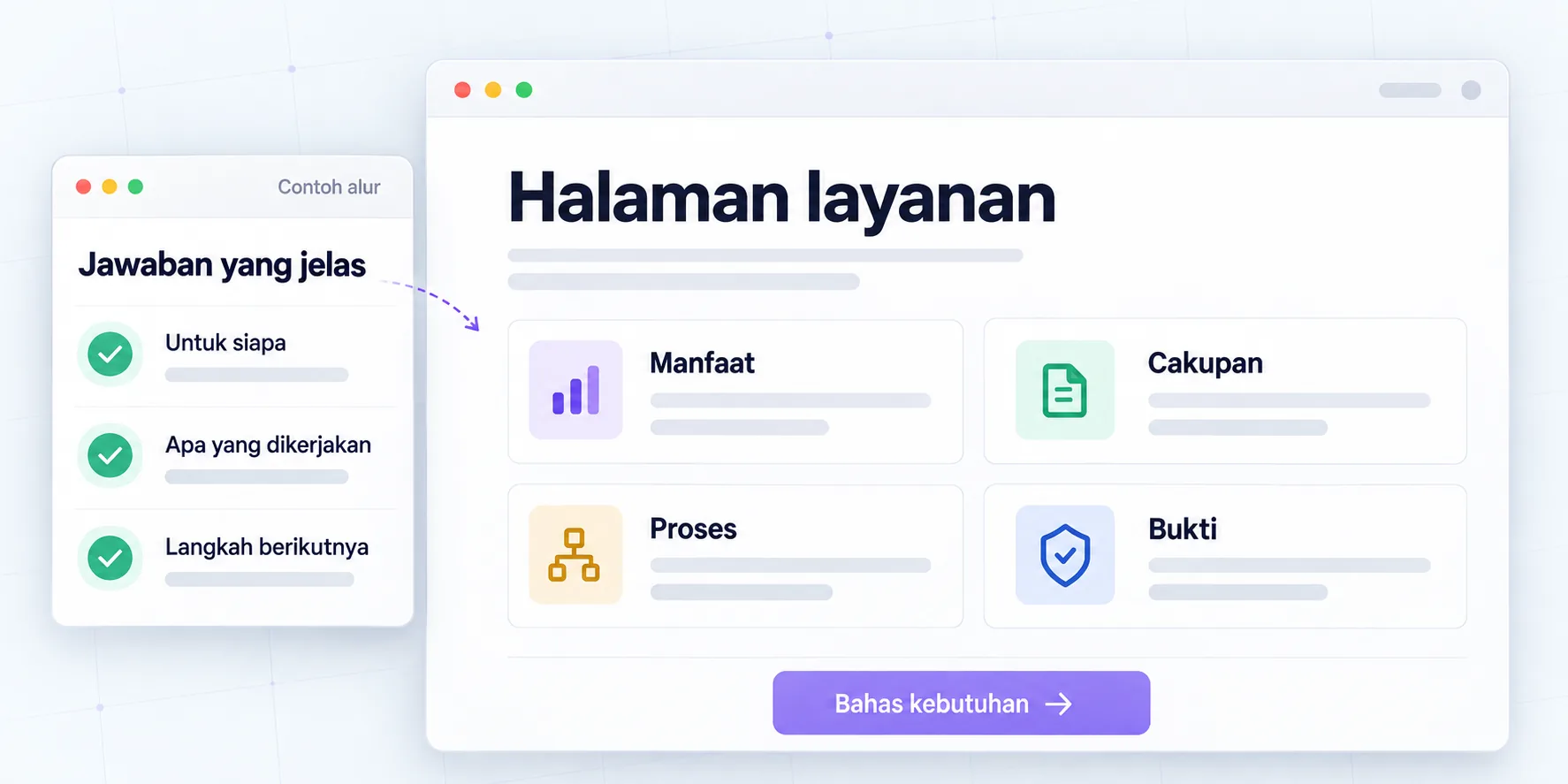
Copy of services before consultation
Clarify benefits, scope, evidence and next steps.