














Measurable impact • B2B Manufacturing • 7 months • Updated October 2, 2026
Product specifications that help with research before the RFQ

Oura Works
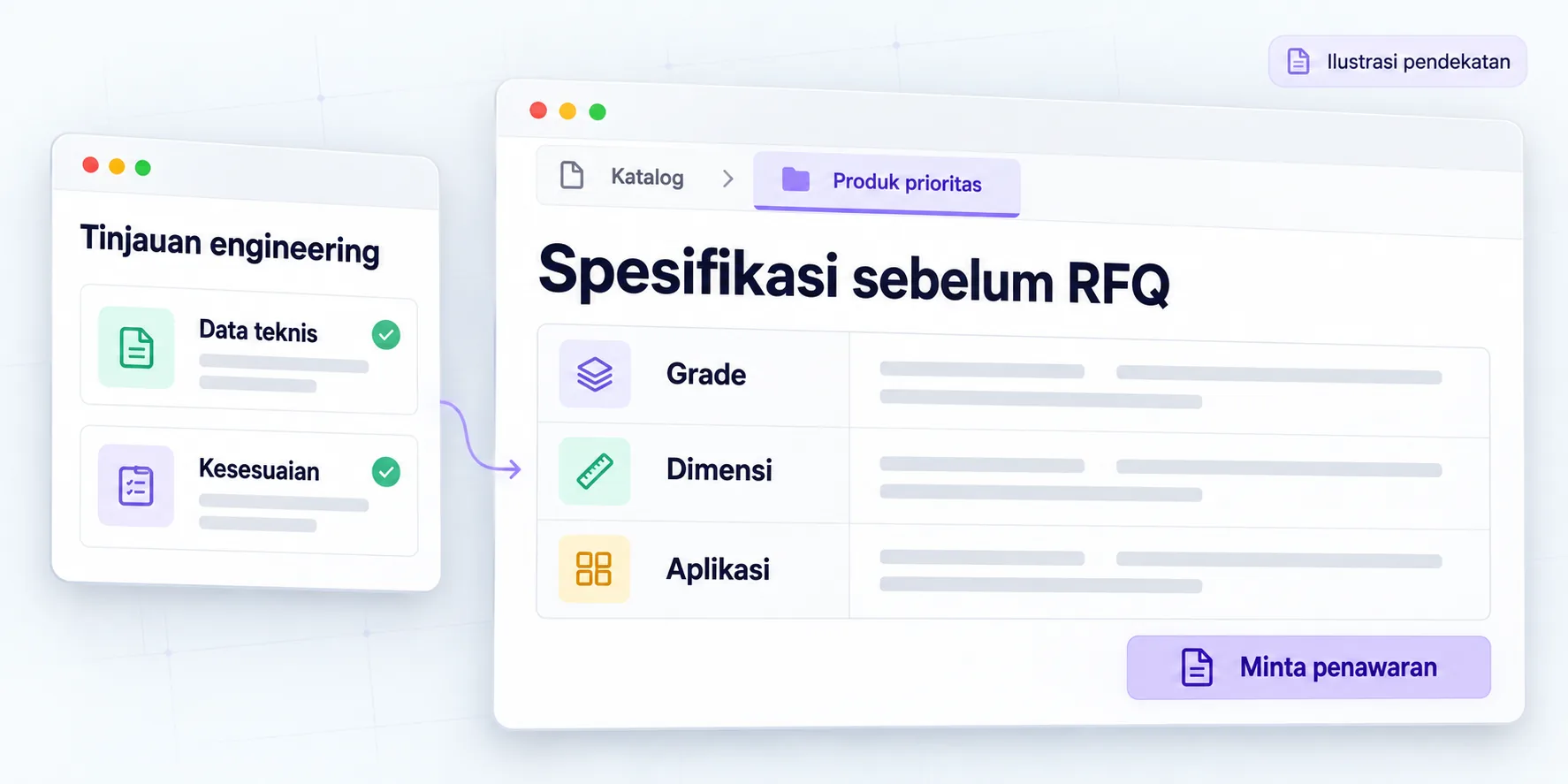
Technical catalogs are organized into structured information so that procurement teams can assess product suitability.
This story refers to an anonymous engagement published by Oura. The analysis, decision matrix, illustrations, and checklist below are editorial implementation guidelines; not copies of client documents or additional unattested results.
Summary of work and evidence
| Aspect | Publication summary |
|---|---|
| Sector | B2B Manufacturing |
| Period | 7 months |
| Initial conditions | The catalog includes 340 SKUs, but only twelve pages have structured information. Many specifications rely on PDF documents in the buyer research flow. |
| Jobs | Twenty-eight priority SKUs were reviewed with engineering. Grade, dimensions, application, as well as bilingual information are displayed in HTML. Measurement connects referrals to RFQ forms and CRM. |
| Results reported | The Oura publication recorded 28 structured product pages as well as six technical queries that generated AI citations in seven months of engagement. These results apply to both the catalog and the sample queries handled. |
| Evidence label | Measurable impact, following Oura publication |
Oura engagement source. Raw data and all test conditions are not available in the public summary. These results need to be read with the initial period and conditions; is not an estimate of results for other businesses.
Procurement requires comparable specifications
Manufacturing catalogs can appear complete in terms of the number of products, but are still difficult to use for research. Buyers need to understand the grade, dimensions, application, and relevant documents. When the core information is only in a separate PDF, the comparison process requires additional steps.
The case departs from 340 SKUs with only twelve structured pages. Fixing the entire catalog at once can burden engineering and increase the risk of specification errors. The publication said 28 priority SKUs were reviewed with engineering in a seven-month engagement.
These priorities provide space to test the information format and RFQ path before expanding. Selection does not need to follow the number of keywords alone; products that are important to the offering and have data that is ready to be reviewed may be worth working on first.
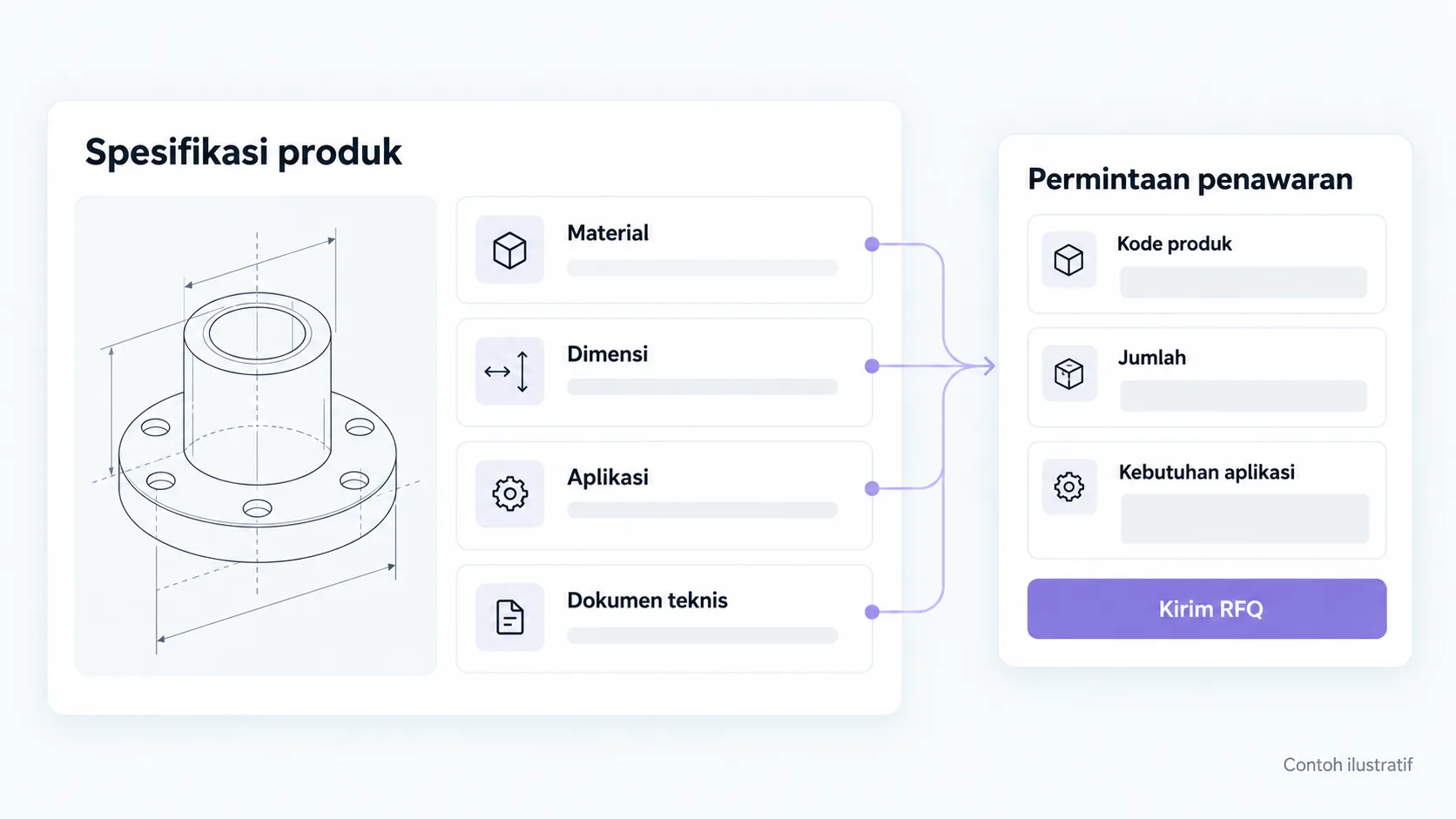
Product data matrix before HTML publication
| Components | What needs to be explained | Reviewer |
|---|---|---|
| Grade or material | Names and definitions used | Engineering |
| Dimensions | Relevant values, units and limits | Owner specifications |
| Application | Uses that the source can support | Engineering and products |
| Supporting documents | Versions and relationships with products | Document owner |
| RFQ Requirements | Required product, volume and initial conditions | Sales and operations |
This matrix is an example of data planning. Do not conclude product suitability just from similarity in size. Tolerances, conditions of use, and standards that actually apply need to follow authoritative sources and technical reviews.
Bring HTML and PDF together without creating two conflicting sources
The core information in HTML makes it easier for readers to understand the product before downloading the document. PDFs can still be used for relevant details. Both need to reference the same version or explain the differences openly.
Create an inventory of the owners of each attribute. When specifications change, teams need to know which pages and documents need to be updated. Without it, data copies quickly conflict, especially if the material is also used in sales decks and external directories.
For bilinguals, define terms and units before translating. Translations should be checked on technical meaning, not just fluency of sentences. The product name, code, and application boundaries need to remain consistent across each language.
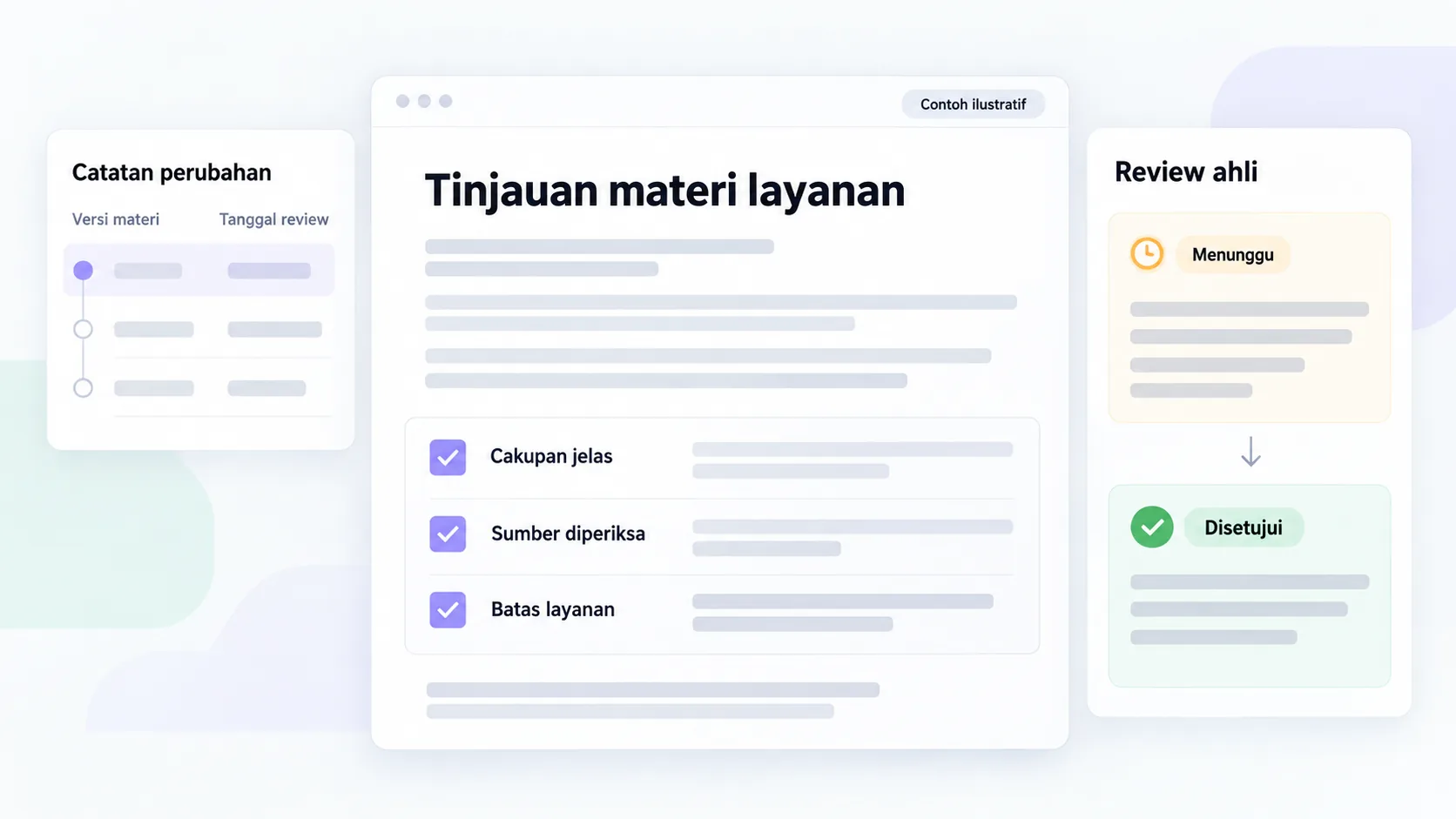
The category structure should help product selection
Good categories explain the differences in product groups. Buyers can then navigate to the product and supporting documents with sufficient context. A product list without differentiation can make for a long page but doesn't make decisions easier.
Choose labels based on terms that buyers and technical teams actually use. If market terms differ from internal codes, explain the relationship between the two without changing the product identity. Link apps to relevant products only if engineering supports their use.
The HTML structure also needs to separate specifications, applications, and RFQ paths so buyers can scan the information. Structured data must match the visible content; markup must not include incorrect certifications, ratings, or availability.
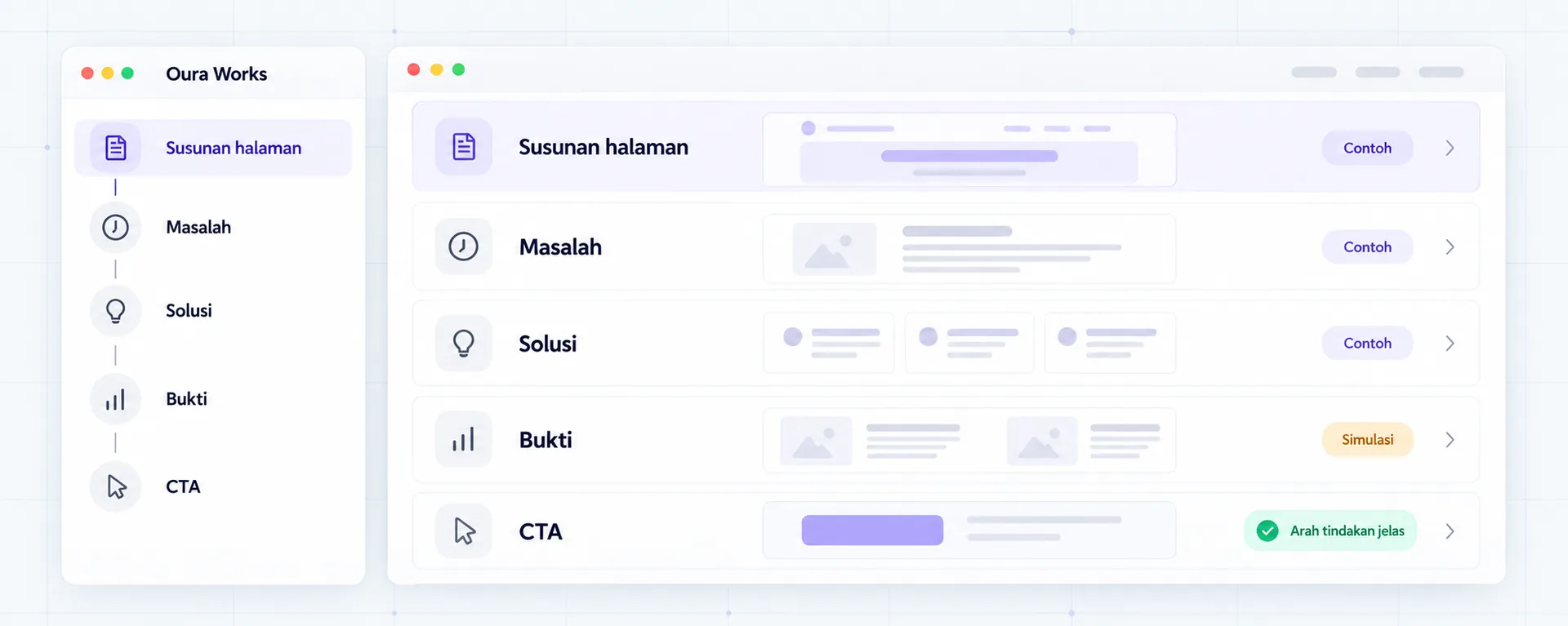
An RFQ doesn't have to ask for all the procurement details up front
The initial form helps sales determine suitability and follow-up recipients. Request the necessary information, such as products of interest, estimated volume if available, and how to contact the buyer. Further technical details can be discussed through the bidding process.
Explain what happens after delivery. The inquiry owner needs to be able to recognize the origin of the page, initial requirements, and duplication. Don't promise stock, price, or response time if operational processes don't already support it.
The measurements follow a path from the page to the received RFQ. Button clicks may indicate interest, but successful delivery and receipt in the CRM need to be checked separately. Sales status helps differentiate appropriate needs from spam or requests with insufficient information.
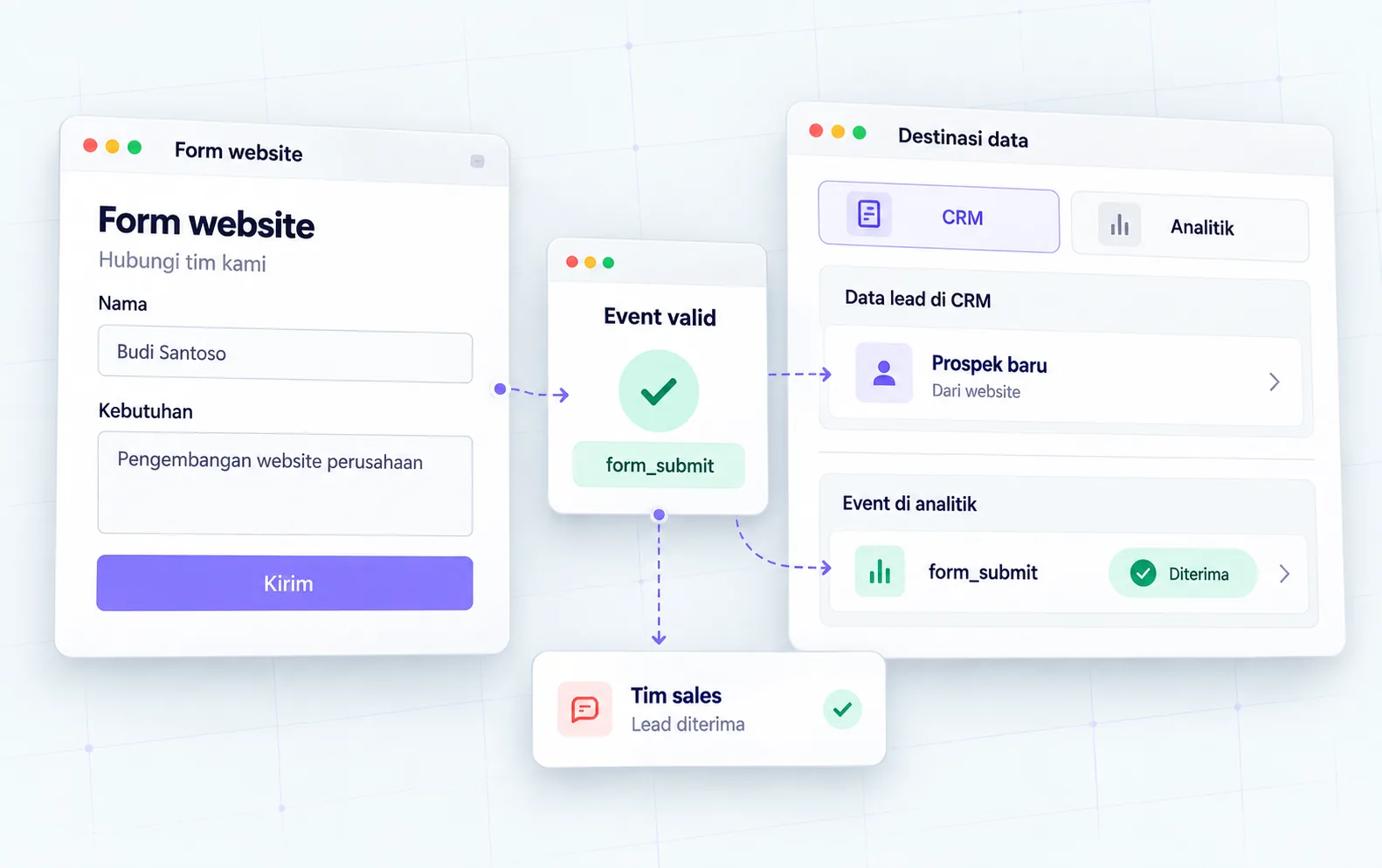
Twelve to 28 pages: results and limits
The publication noted 28 structured product pages and six technical queries that gave rise to AI citations. Page numbers describe the scope of material laid out, while citations are observations on a sample query. Neither proves all products have been completed or sales have increased.
| Published results | Interpretation | Which cannot be concluded yet |
|---|---|---|
| Structured pages 12 to 28 | The scope of product information increases | All 340 SKUs have been audited |
| Six technical queries elicited citations | Material is discovered on certain observations | All platforms and users see referrals the same |
| RFQ is connected to CRM | Measurement follows an inquiry process | Number of contracts or sales value without data |
Note the platform, question, date, and referral URL for AI observations. Read the inquiry along with product quality and requirements. Buyers may return via other channels, so available attribution remains limited.
Relationships between applications, products, guides, and RFQs help readers continue their research. Links are selected based on relevant technical requirements, not just the number of pages you want to amplify.
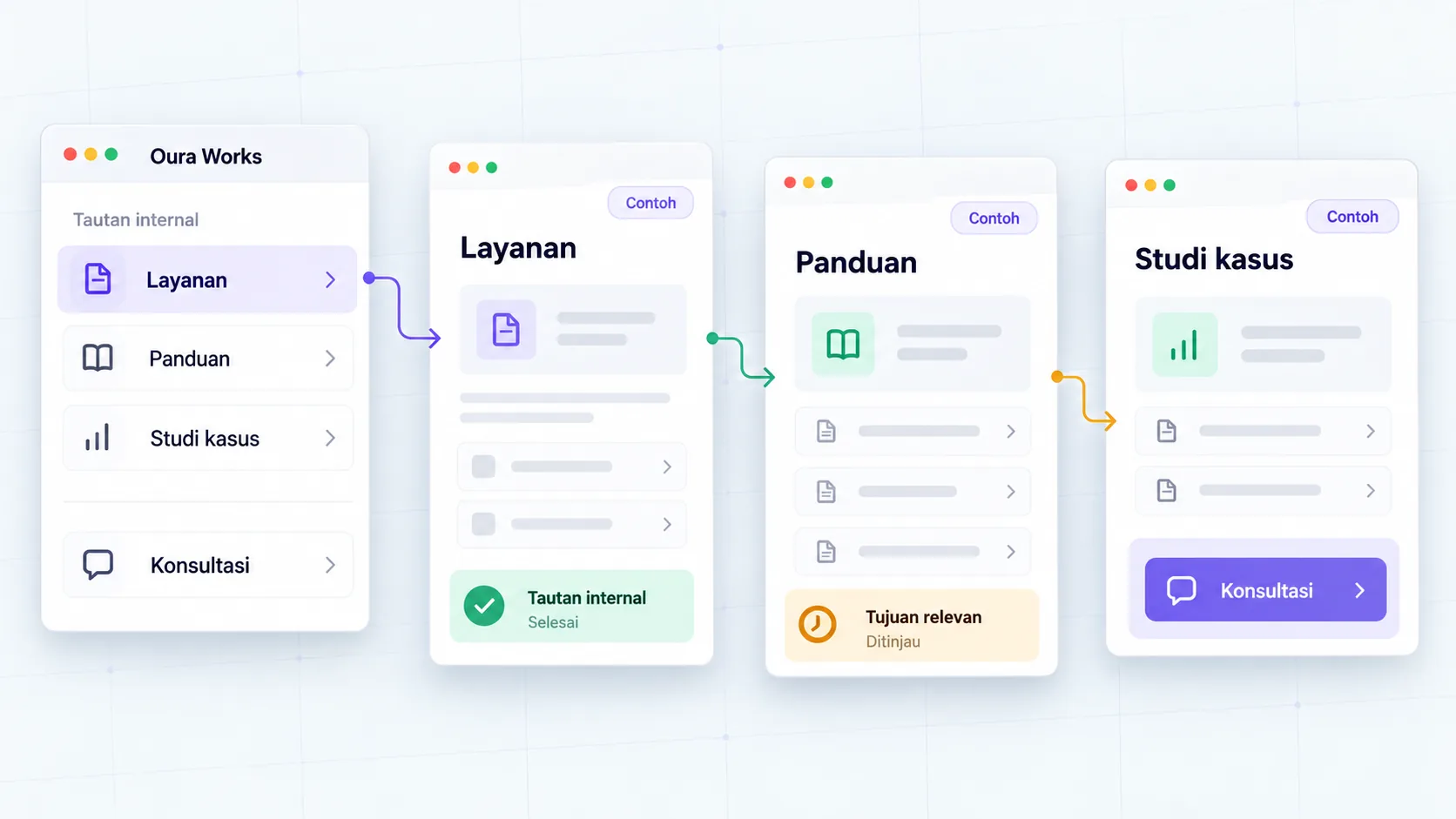
Checklist for manufacturing catalog
- Select priority products for commercial reasons and data readiness.
- Set the source, unit, version, and reviewer of the specification.
- Check the consistency of HTML, PDF and bilingual materials.
- Review RFQ fields with sales and receiving in CRM.
- Separate the number of pages, citations, inquiries, and sales in the report.
Discuss B2B catalogs with Oura, by bringing product samples and documents that may be shared. Engineering requirements are part of the planning from the start.
FAQs
Do all SKUs have to be updated at once?
Not always. Choose priorities based on buyer needs, business value, and review readiness. The gradual rollout helped the team check the format and consistency of the data before expanding it across the entire catalog.
Should the PDF be removed once the specification is available in the HTML?
No. PDF can be a supporting document. Core information should be easy to read on the page, with clear versions and links. HTML and documents should not conflict with each other.
Who checks the specification translation?
Reviewers who understand the terms and technical context of the product. Translations need to maintain codes, units, grades, and usage limits. Fluent language is not necessarily enough to ensure the technical meaning is correct.
Does six AI queries mean a catalog is always recommended?
No. These results follow a sample of observations on engagement. Answers may vary by platform, query, time, and context. Keep observational evidence and do not turn it into universal promises.
How to know a quality RFQ?
Determine minimum requirements with sales, then read acceptance, duplication, product suitability, and follow-up status. The number of clicks or events is not enough to assess commercial opportunities without such checks.
References and source limits
- Oura manufacturing case for coverage and reported results.
- Google SEO Guide for product structure and content.
- Google structured data policy for conformity of the markup to the real content.
- Google AI search guide for visibility prerequisite limits.
Source checked October 2, 2026. Specification matrix is an editorial guide, not a certification of product conformity.
Continue on to guides and stories that discuss similar decisions.
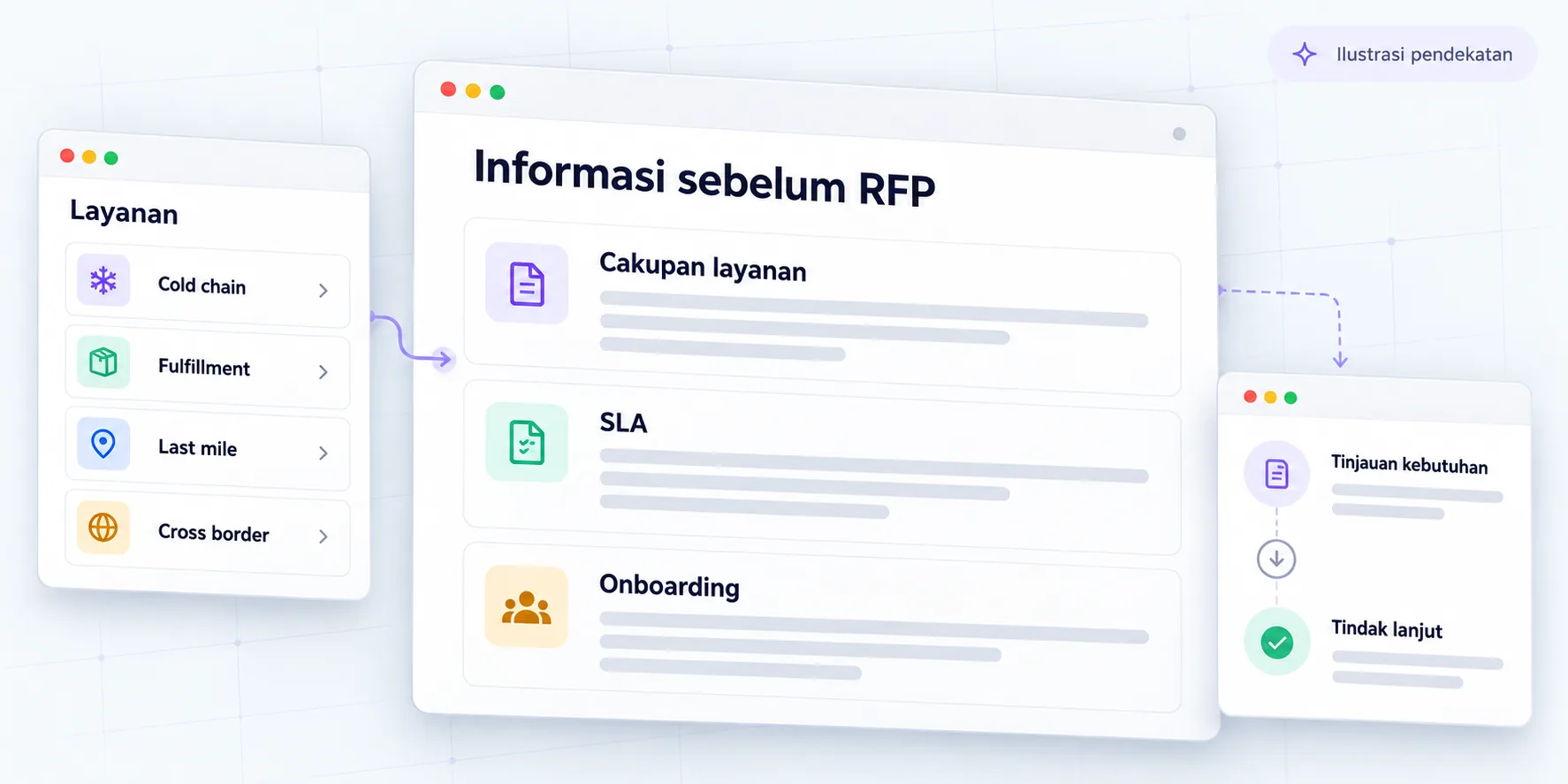
Logistics information before the RFP
Service and operational proof is laid out over eight months.
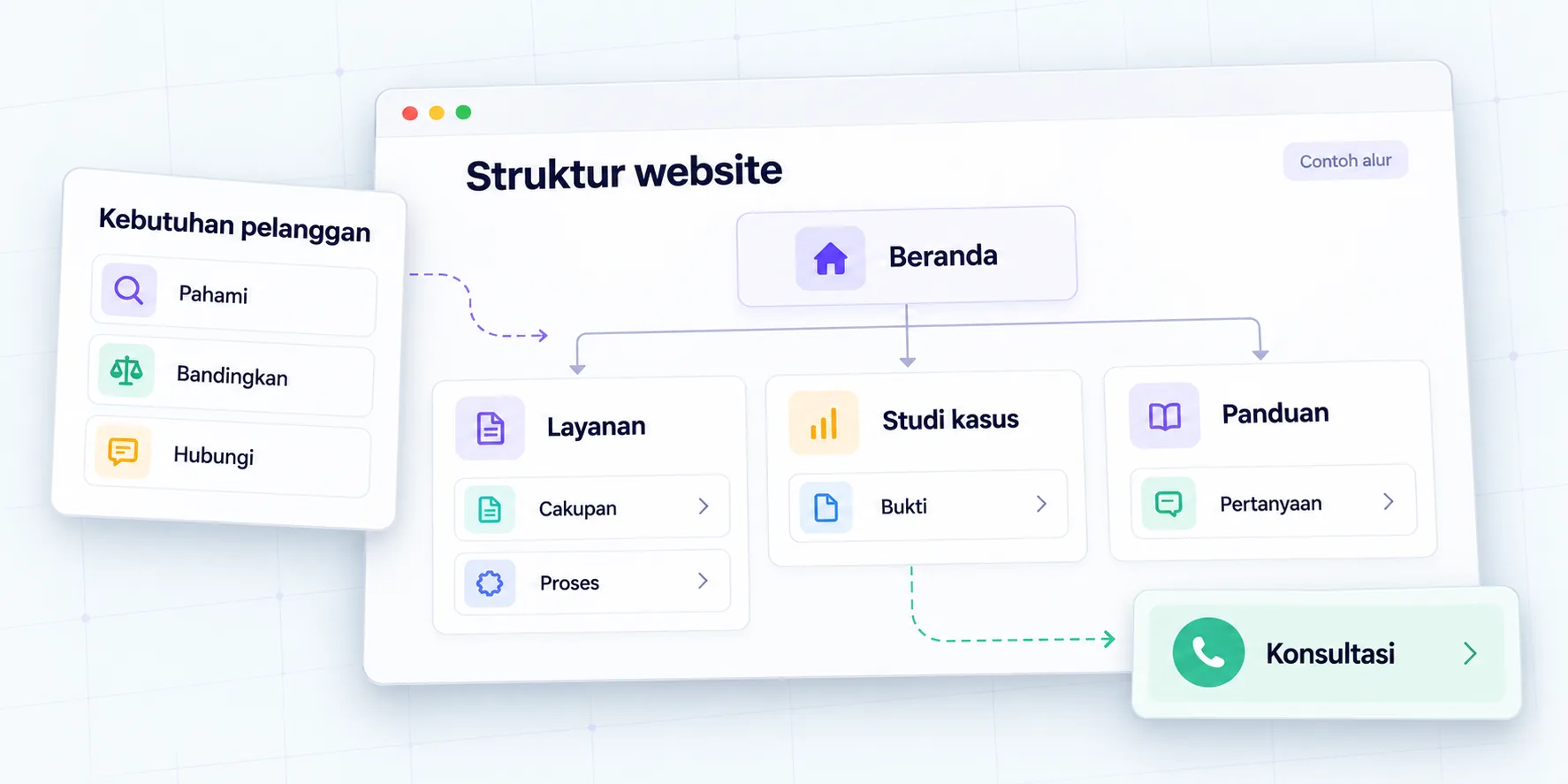
Website structure based on buyer needs
Determine the role of the page before drafting the design.
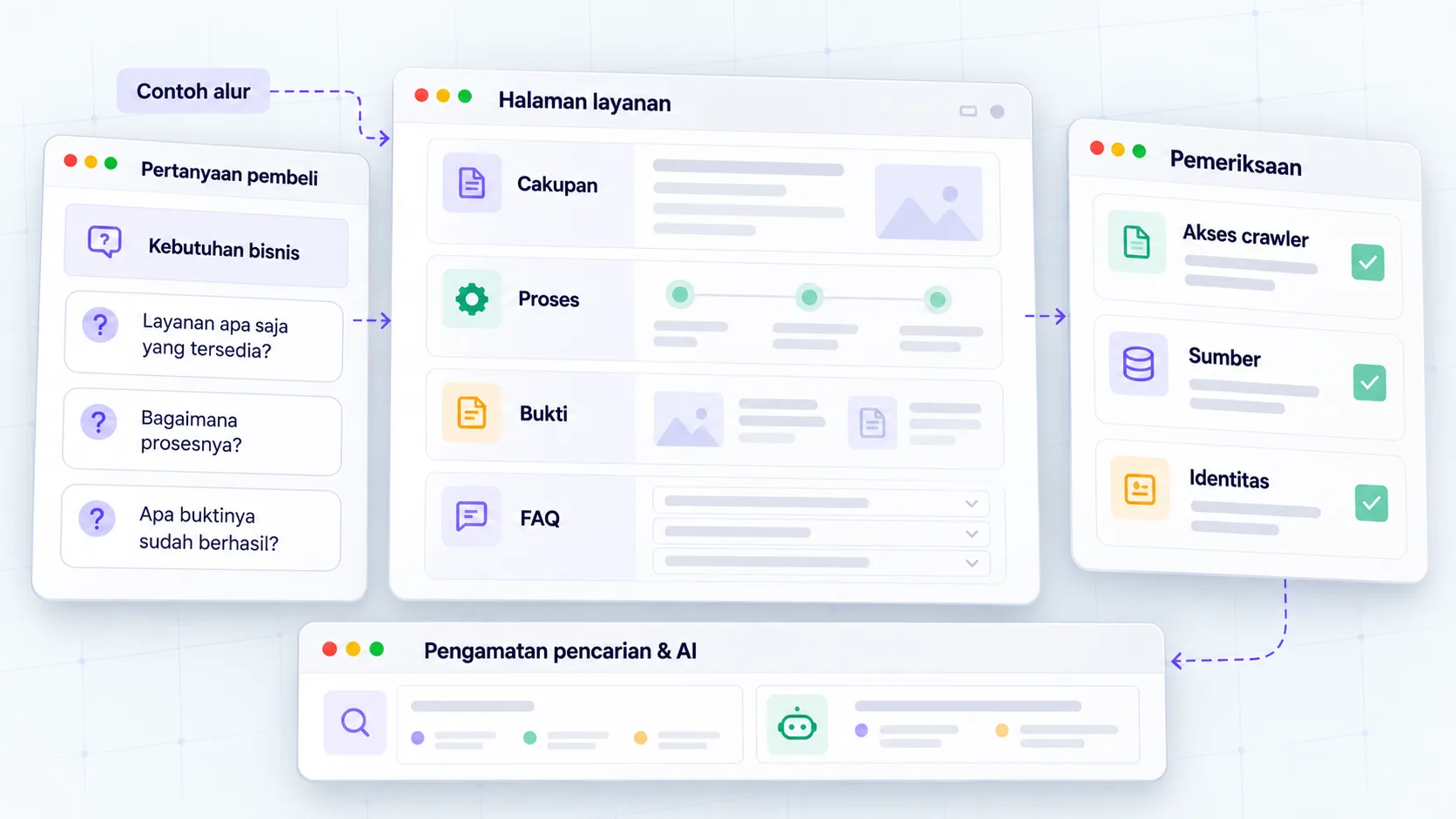
SEO foundation for AI search
Maintain technical access and information that helps readers.
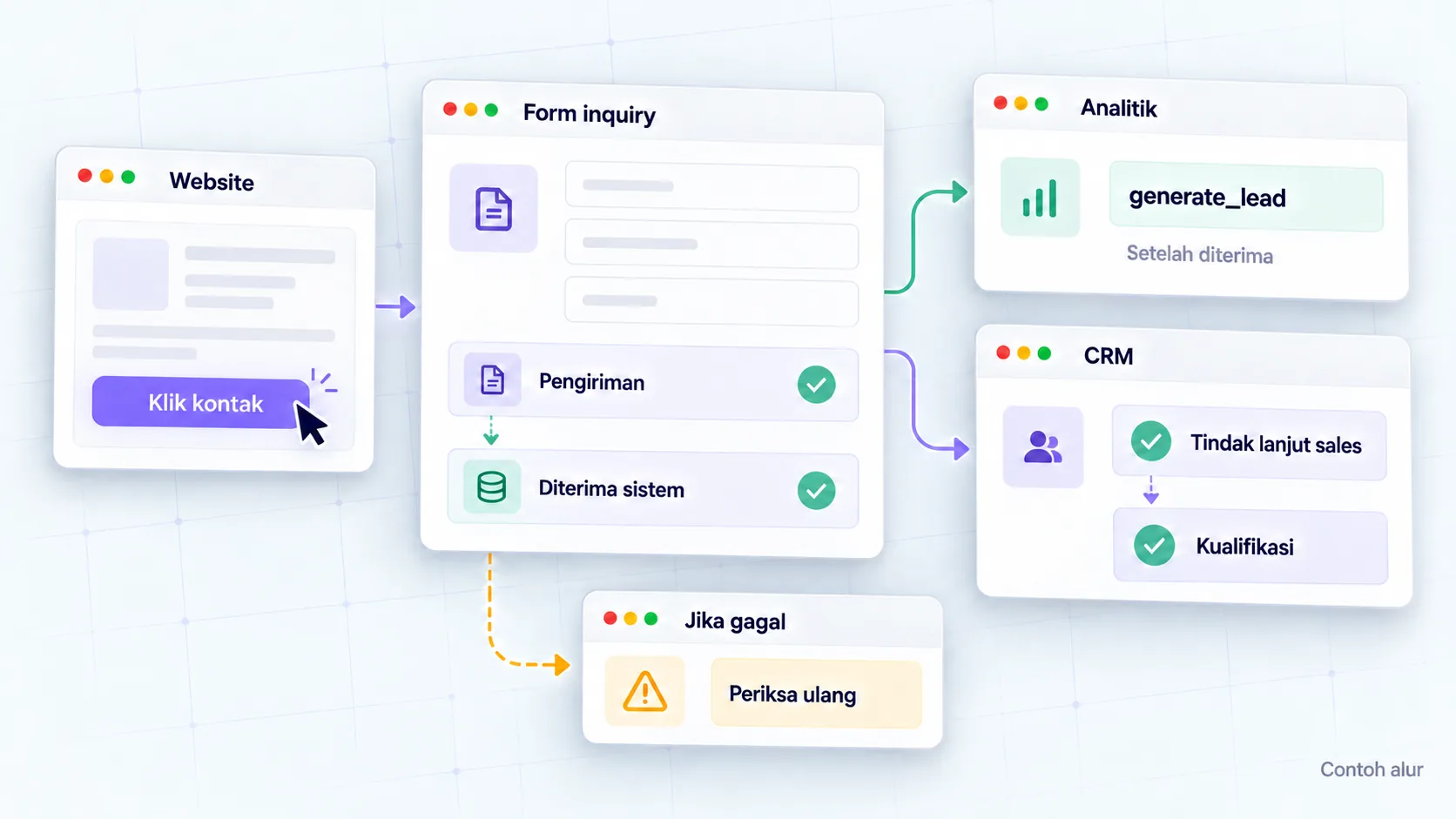
Lead measurement with GA4
Connect website actions to sales context.
Clear website project brief
Agree on project goals, scope, and decisions.

Copy of services before consultation
Clarify benefits, scope, evidence and next steps.