
















Measurable impact • Property • 6 months • Updated October 2, 2026
Answer buyer questions prior to site visit

Oura Works
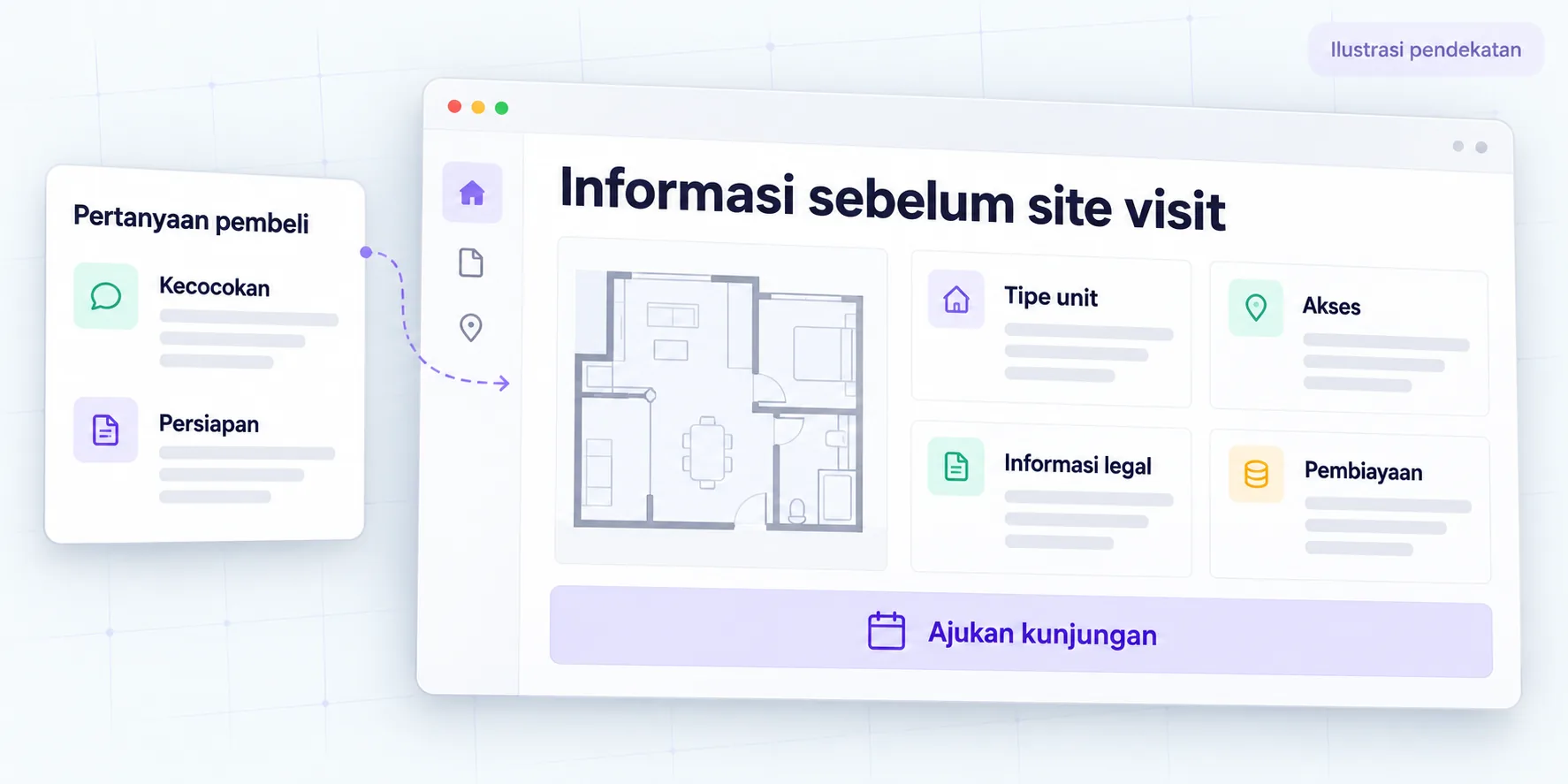
Unit type, access, financing estimates, and legal information are important parts of the property offer explanation.
This story refers to an anonymous engagement published by Oura. The analysis, decision matrix, illustrations, and checklist below are editorial implementation guidelines; not copies of client documents or additional unattested results.
Summary of work and evidence
| Aspect | Publication summary |
|---|---|
| Sector | Property |
| Period | 6 months |
| Initial conditions | Property projects rely on advertising for leads. The launch page has yet to answer a number of shopper questions, while organic search visibility remains limited. |
| Jobs | Research maps purchasing questions. The unit page contains specifications, prices and estimated financing, access, and FAQ. Measurement follows the path from the visit source to the site visit request. |
| Results reported | Cases are published as six-month engagements. This summary emphasizes changing information and measurement pathways, without changing the project context to a universal sales promise. |
| Evidence label | Measurable impact, following Oura publication |
Oura engagement source. Raw data and all test conditions are not available in the public summary. These results need to be read with the initial period and conditions; is not an estimate of results for other businesses.
Advertising brings attention; page needs to help with subsequent evaluation
Potential property buyers may be attracted to the project's visuals but still need information to decide on a visit. They compare unit types, access, offer status, costs, and what needs to be confirmed. A launch page that only displays the atmosphere does not answer all these needs.
In this case, acquisition relies on advertising and organic visibility is still limited. Six months of work mapping purchasing inquiries, organizing unit pages, and connecting visit sources to site visit requests. The goal is to help readers understand initial suitability before sales makes further assessments.
Property information is subject to change. Separate specifications that have been reviewed from illustrations, current prices from estimates, and the bidding process from financing promises. This article discusses website communications and is not investment advice or financing advice.
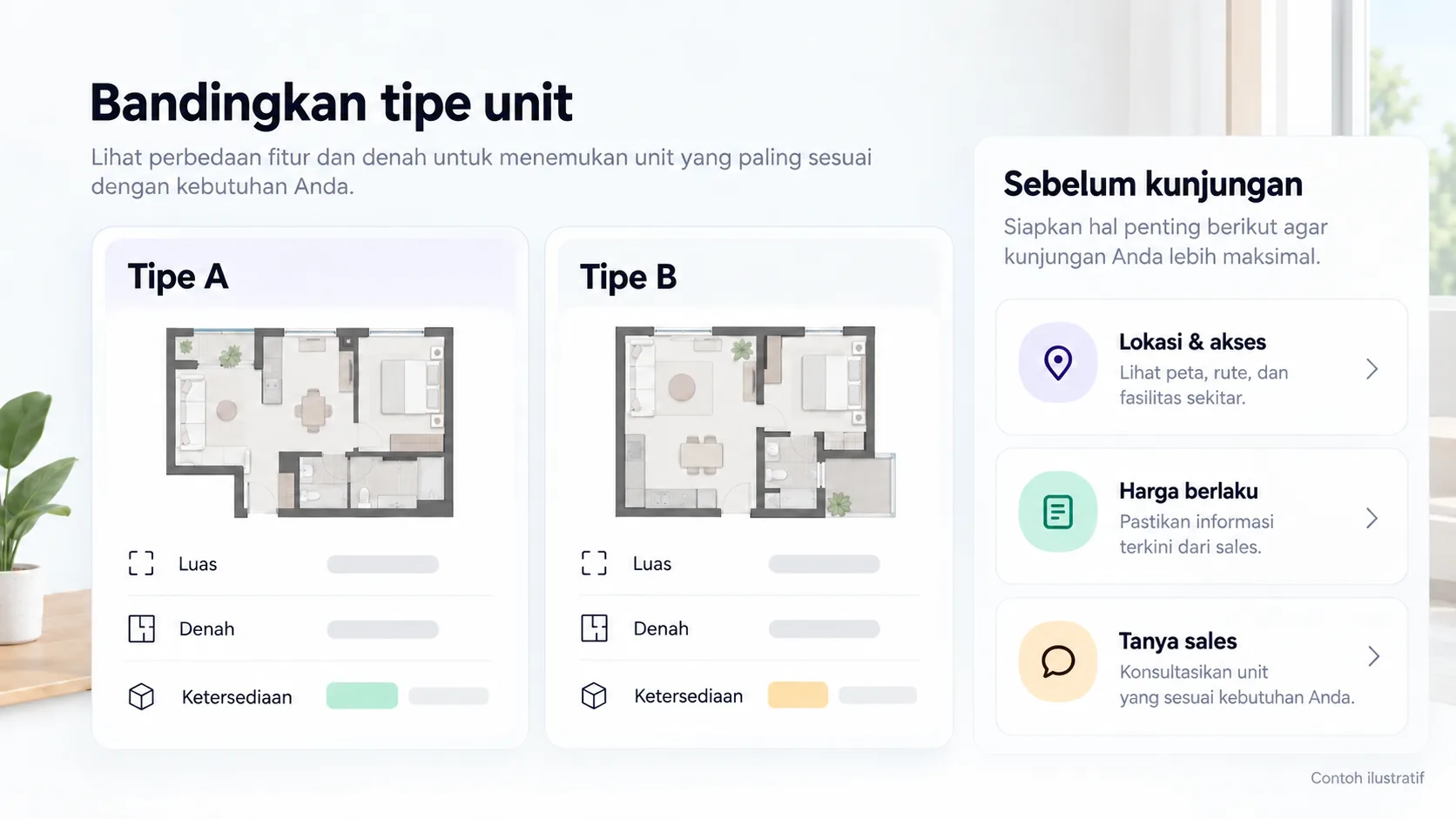
Information matrix before site visit
| Buyer questions | Helpful initial information | Things that need to be confirmed |
|---|---|---|
| Which type is appropriate? | Unit specifications and differences | Version specifications and options available |
| How do I access the location? | Addresses and access contexts that can be checked | Field conditions and changes |
| What are the relevant costs? | Price components and bidding rules | Validity period, additional fees, and proposals |
| How is financing discussed? | Explanation of assumptions if there are estimates | Terms of provider and conditions of prospective buyers |
| What to bring when visiting? | Process appointments and contacts accordingly | Schedule, meeting location, and recipient of confirmation |
This matrix is an example of content planning. Do not display installment estimates without assumptions or promises of financing approval. Legal information needs to use authoritative sources and reviews, not be inferred from project illustrations.
Choose questions that help decisions
Research can start from sales records: recurring questions, reasons for discontinued visits, and information that needs to be resent. Separate the needs of first-time buyers, buyers comparing types, as well as different commercial needs where relevant.
Interviews should explore real experiences. Ask what information is sought before making an appointment and who is involved in the assessment. The answers that emerge are recorded as findings with source and sample limits, not directly as market-wide preferences.
The page arrangement then follows the buyer's decision. The opener provides project orientation; unit pages differentiate options; FAQ explains frequently asked questions; contact helps confirm. One piece of information does not need to be repeated throughout the page if it can be clearly referenced.
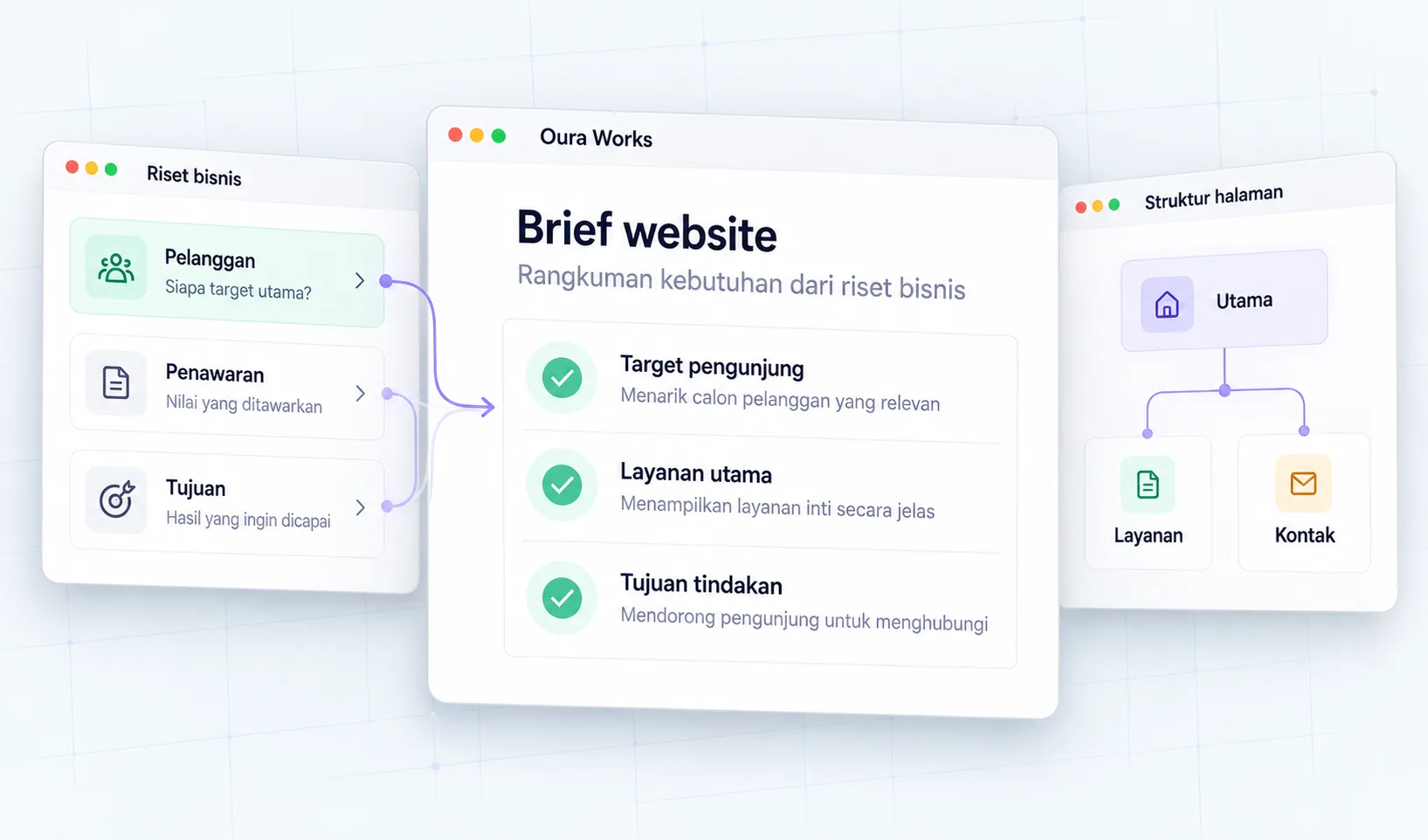
Visuals should clarify choices, not suggest data that doesn't yet exist
Photos and plans can be helpful when the roles are clear. Distinguish between photos of real conditions, renderings, layout examples and process illustrations. Captions help readers assess what can be inferred from the image, especially when actual conditions do not match the visual representation.
Unit comparison tables help readers scan the differences that have been reviewed. Don't crowd the table with attributes that don't influence the choices. Uncertain values can be directed to confirmation, instead of being given a number that looks final.
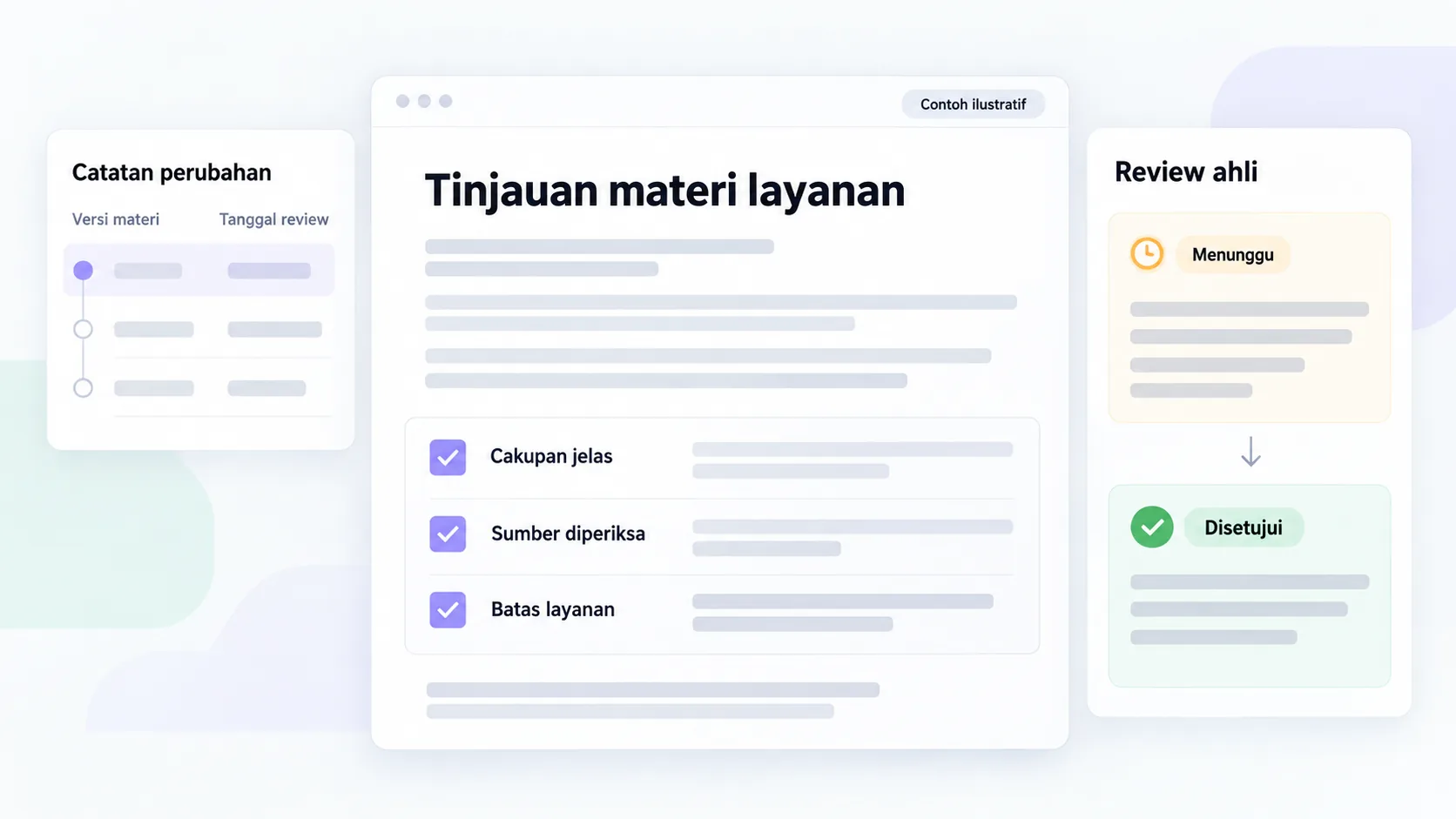
The data owner needs to review the page before publication. Note the expiration date of the offer, who updates stock, and how changes are communicated to sales. Attractive images still require trustworthy content.
The measurement path follows the requests actually received
Site visit CTAs need to ask for initial information that helps with scheduling. Sending the form, receiving the notification, and confirming the schedule are different stages. Readers need to know the steps after submitting a request without being given a time promise that the team has not agreed to.
For reports, link visit sources with identifiable inquiries and sales status. Visits from ads, search, or referrals can get mixed up when shoppers return through other channels. Use clear attribution definitions and supplemental source notes where appropriate.
| Stage | Useful data | Indicator limits |
|---|---|---|
| Find projects | Recognizable pages and sources | Not all paths have a referrer |
| Request a visit | Requests received by the system | This doesn't mean the schedule has been confirmed yet |
| Confirmed visit | Sales records with clear status | Separate cancellations and schedule changes |
| Next evaluation | Stage agreed upon by the commercial team | Not inferred from website events |
The case publication provides a six-month summary of the work, not a complete sales dataset. This article does not add figures for turnover, closing, or booking growth which are not available with adequate definitions.
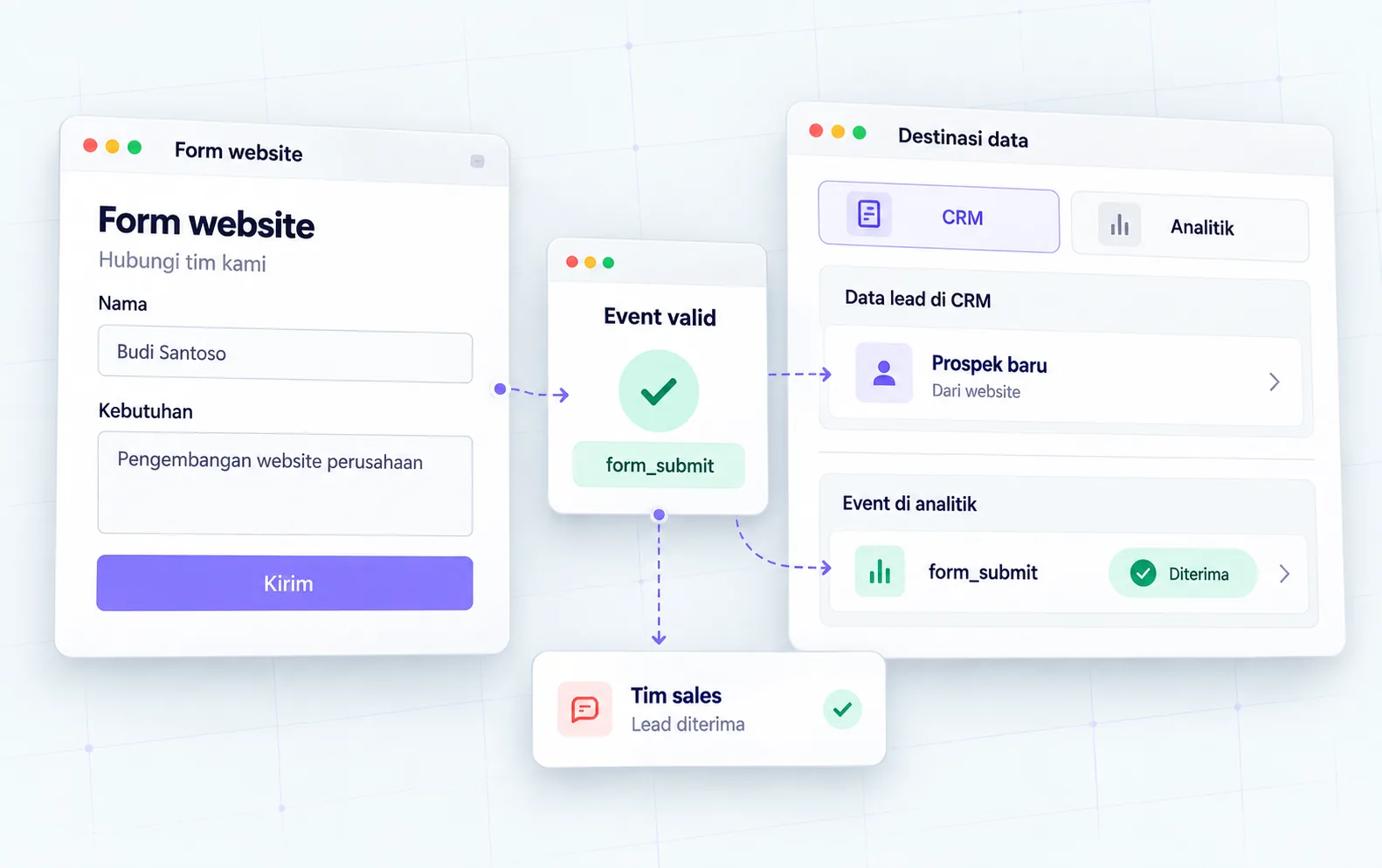
Check after information is updated
Run scenarios comparing units and making appointments on mobile. Check that readers can still see the context of the image, read the table, and understand the purpose of the buttons. Financing or offer information should not be hidden so that readers miss important assumptions.
Also check old campaign links. Ads can lead to pages that have moved or have different offers. Coordinate goal changes with the marketing team to keep ad messages and pages aligned.
Prior to release, acceptability test the form using the agreed process. After the release, look at the pattern of questions that are still repeated to sales. If shoppers keep asking for the same attribute, perhaps the page hasn't explained or positioned it well.
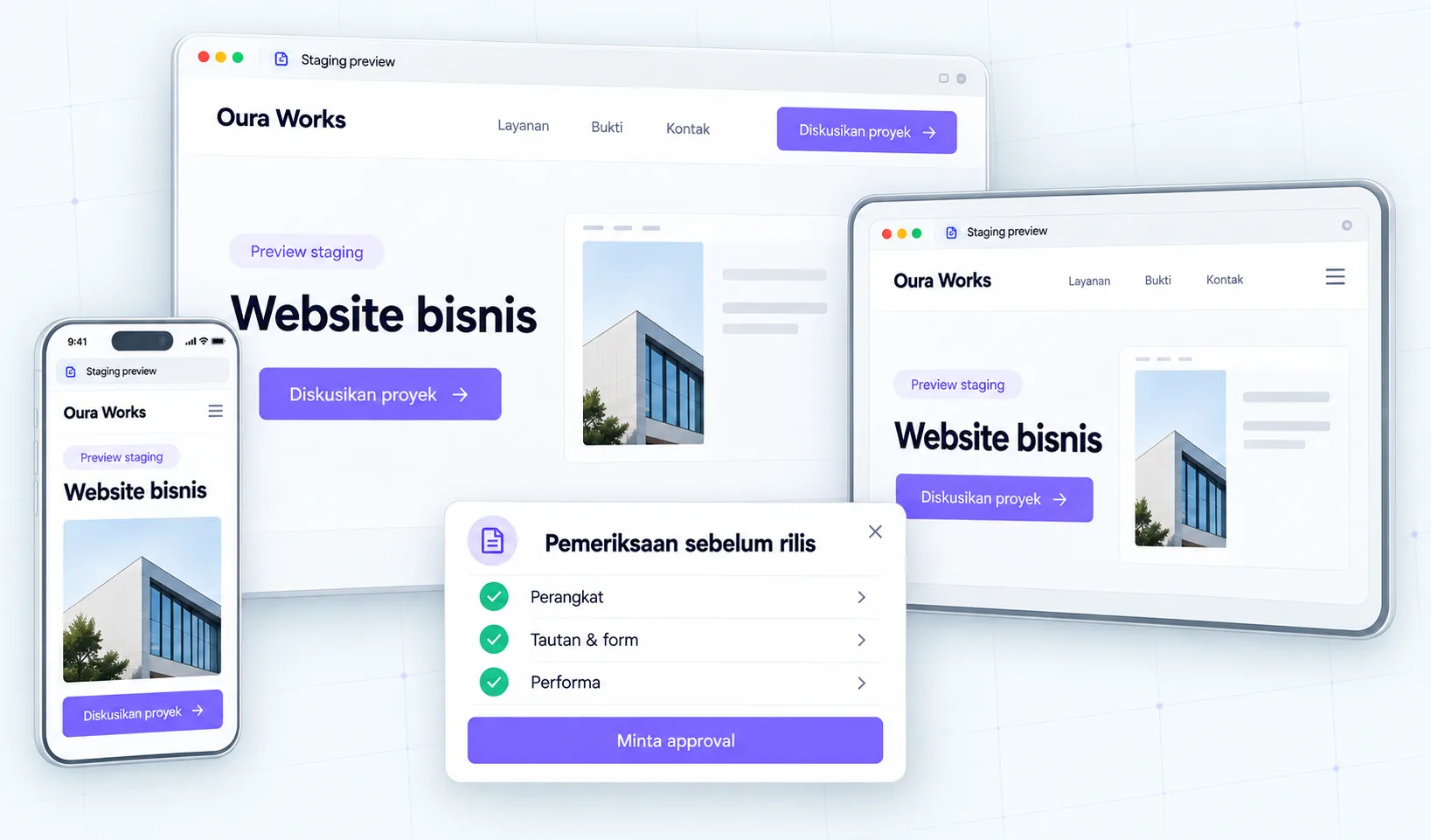
Checklist for property project teams
- Distinguish between photos, renderings, illustrations and actual offer data.
- Review specifications, cost assumptions, and validity period information.
- Connect unit pages and FAQs to real buyer questions.
- Determine the recipient of the inquiry and the owner of the site visit confirmation.
- Read visibility, inquiry, and sales with separate definitions.
Discuss project information and site visit routes with Oura. Bring published offer materials, examples of sales questions, and the current scheduling process.
FAQs
Can rendering be used on property pages?
Yes, if the role is clear and the use of the material is permitted. Mention that the image is a rendering or illustration when it differs from real conditions. Don't let the reader conclude that all the details are actually available.
Can the estimated installments be seen as the final price?
No. Estimates require clear assumptions and limits as well as review by authorities. Financing terms and conditions of prospective buyers may vary. The website page does not replace confirmation of the offer.
Is an inquiry site visit the same as a valid visit?
No. Submission, acceptance, confirmation, and completed visit are different stages. Separate duplicates, cancellations, and schedule changes so that reports don't overstate actual requests.
Does content improvement guarantee sales?
No. Content helps the evaluation and contact process, but sales are influenced by many commercial conditions. Case summaries do not provide controlled experiments or sales datasets to vouch for other project results.
What needs to be prepared before setting up the unit page?
Approved specifications, drawing sources, bidding rules, person in charge of updates and contact process. If the information is not final, define the parts that can be published and the parts that need to be confirmed.
References and source limits
- Oura property case for the context and scope of work.
- GOV.UK interview research for tracking buyer experience.
- Google SEO Guide for information and page links.
Source checked October 2, 2026. Analysis is a website communication recommendation, not legal, investment, or financing advice.
Continue on to guides and stories that discuss similar decisions.
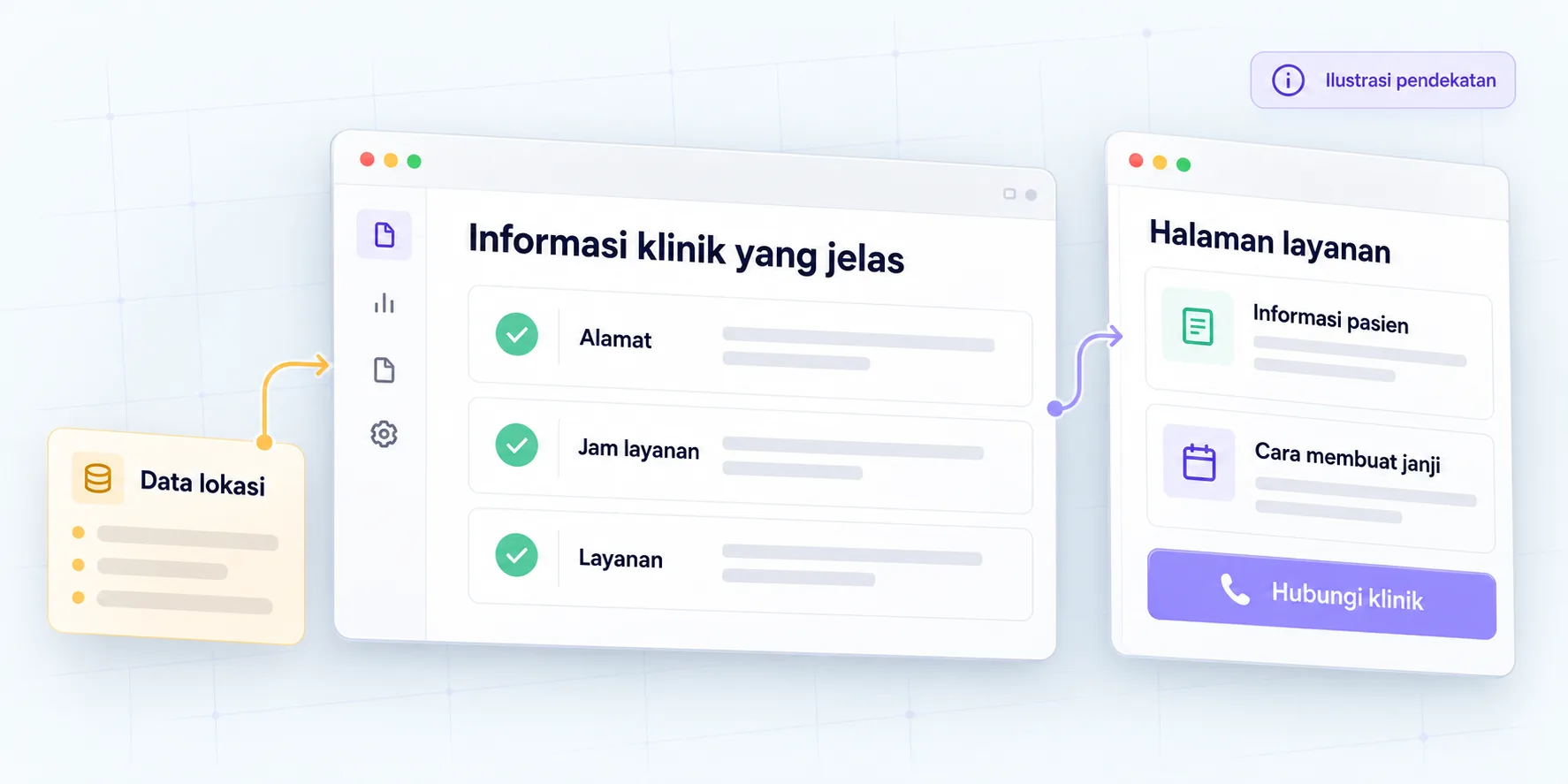
Clinic found in local search
Locations, services, and measurements are reviewed over a four-month period.
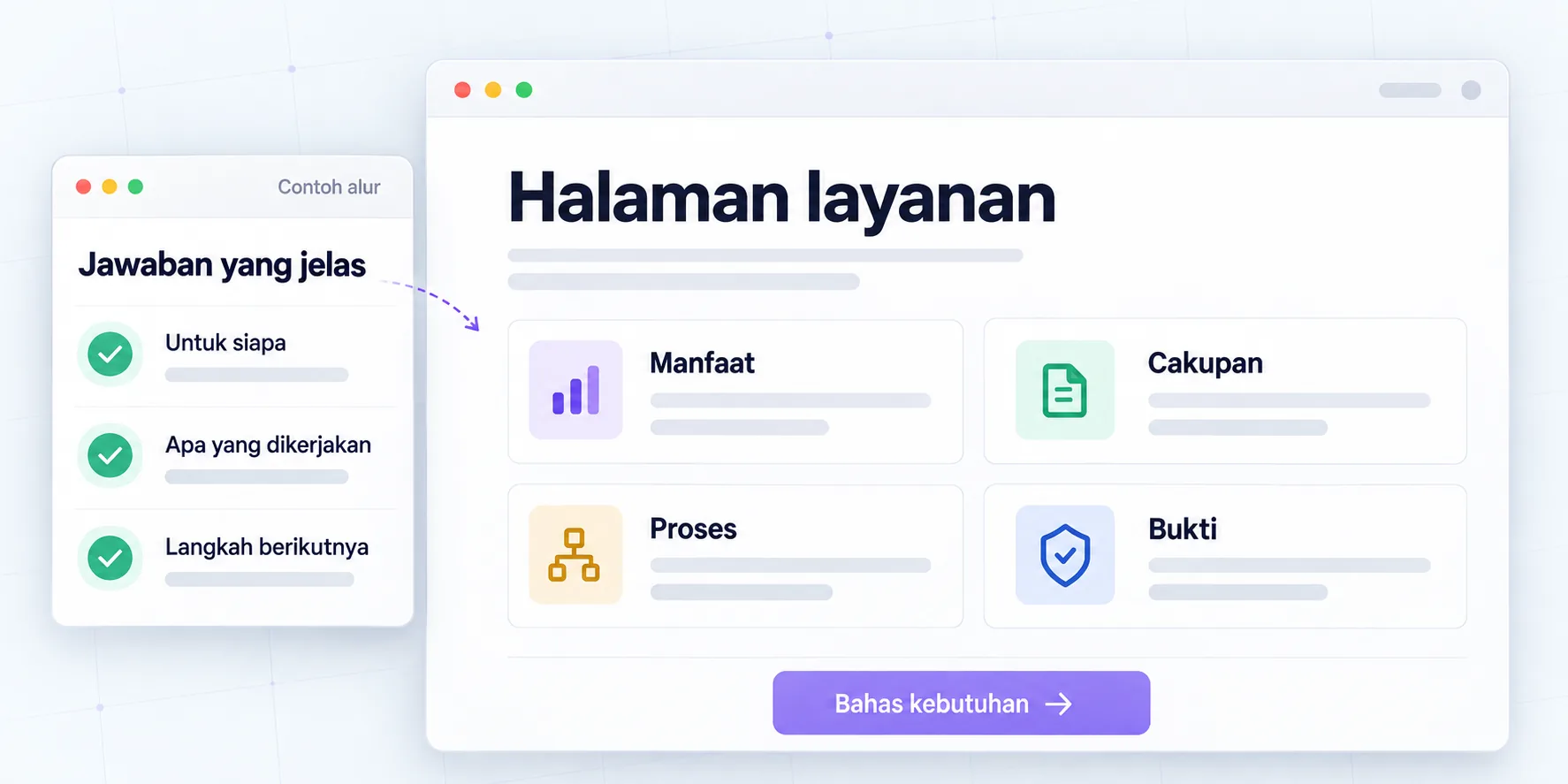
Copy of services before consultation
Clarify benefits, scope, evidence and next steps.
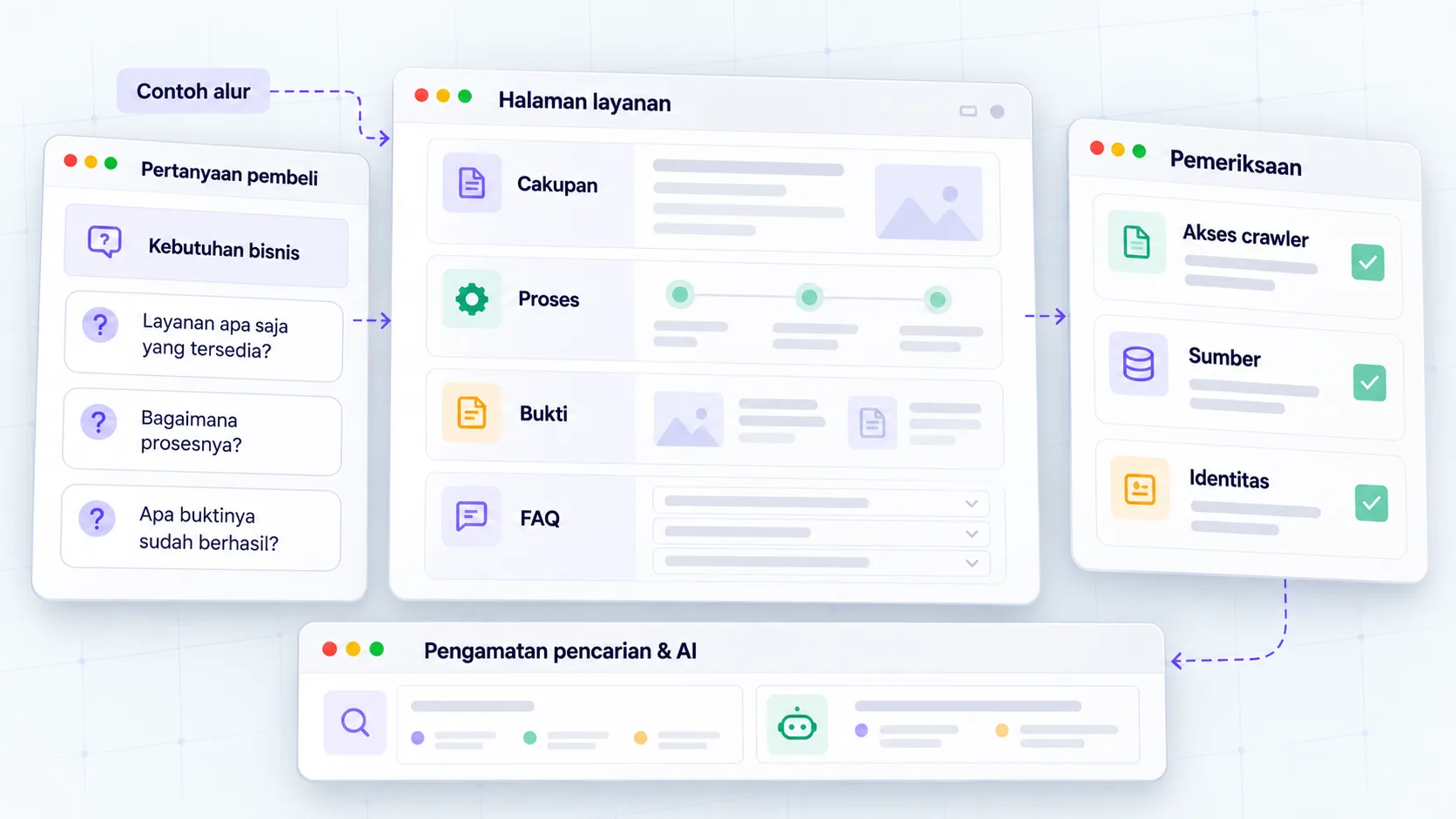
SEO foundation for AI search
Maintain technical access and information that helps readers.
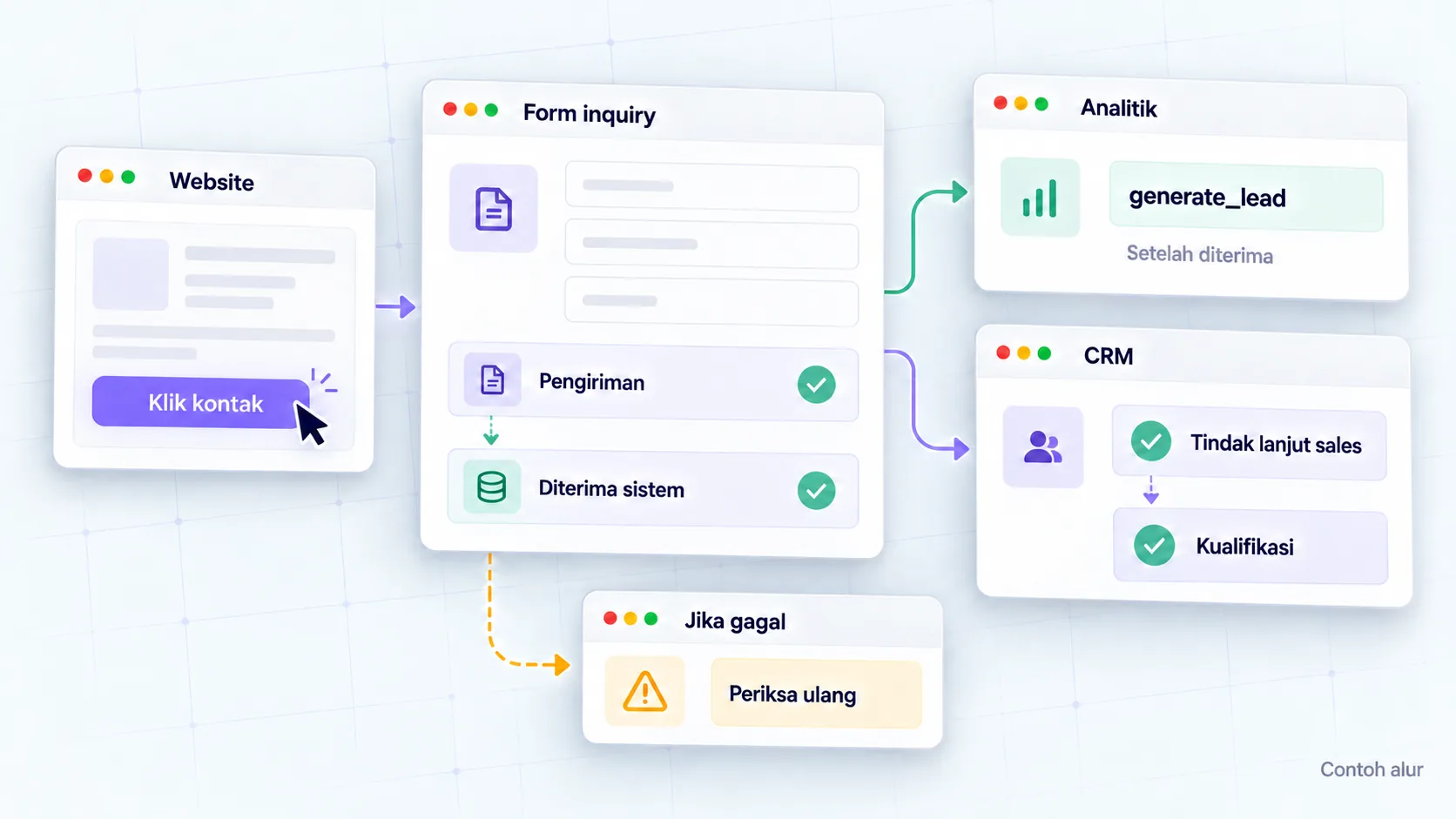
Lead measurement with GA4
Connect website actions to sales context.
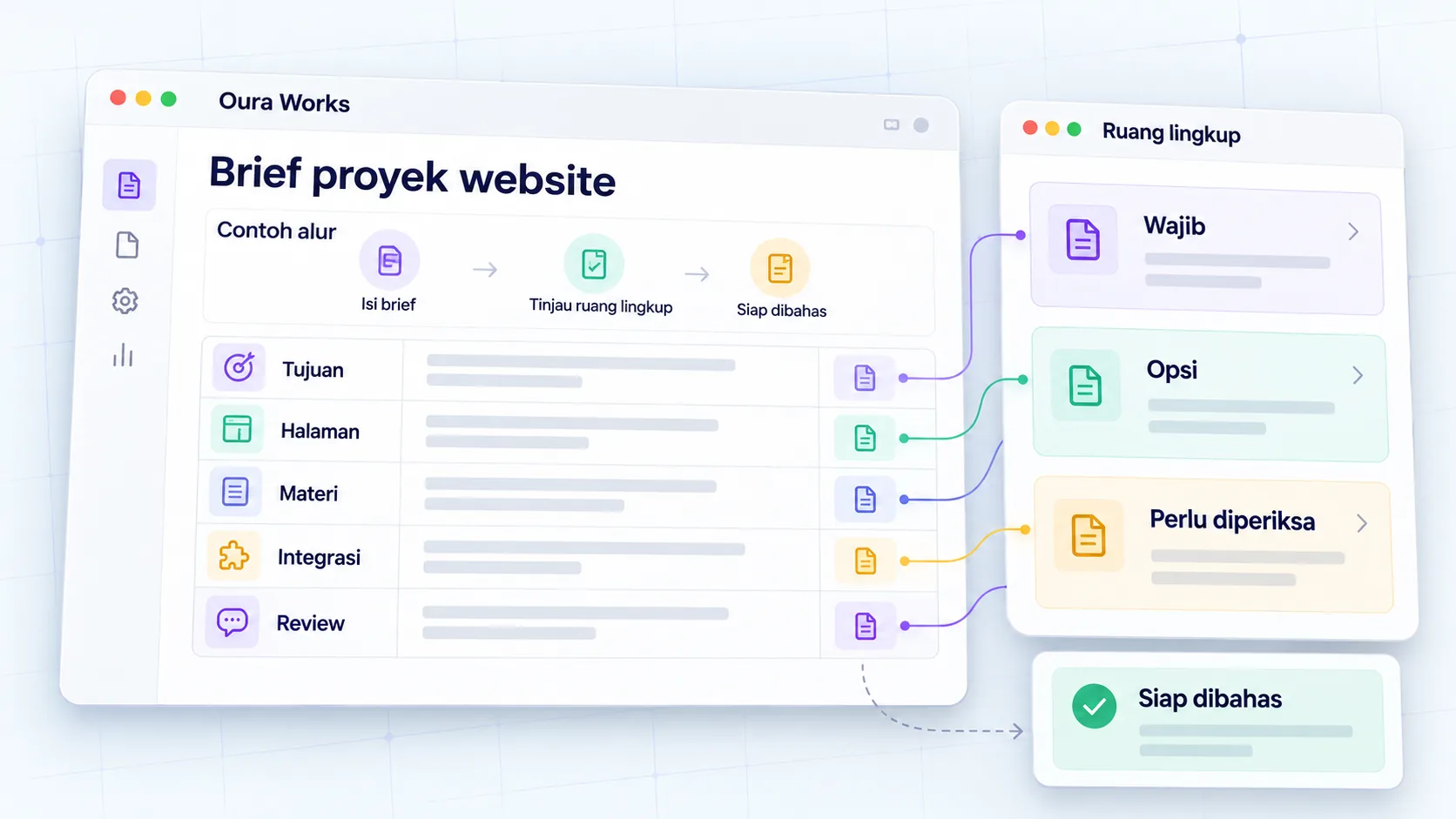
Clear website project brief
Agree on project goals, scope, and decisions.