














Measurable impact • B2B SaaS • 3 months • Updated October 2, 2026
Open access to documentation and clarify SaaS product information

Oura Works
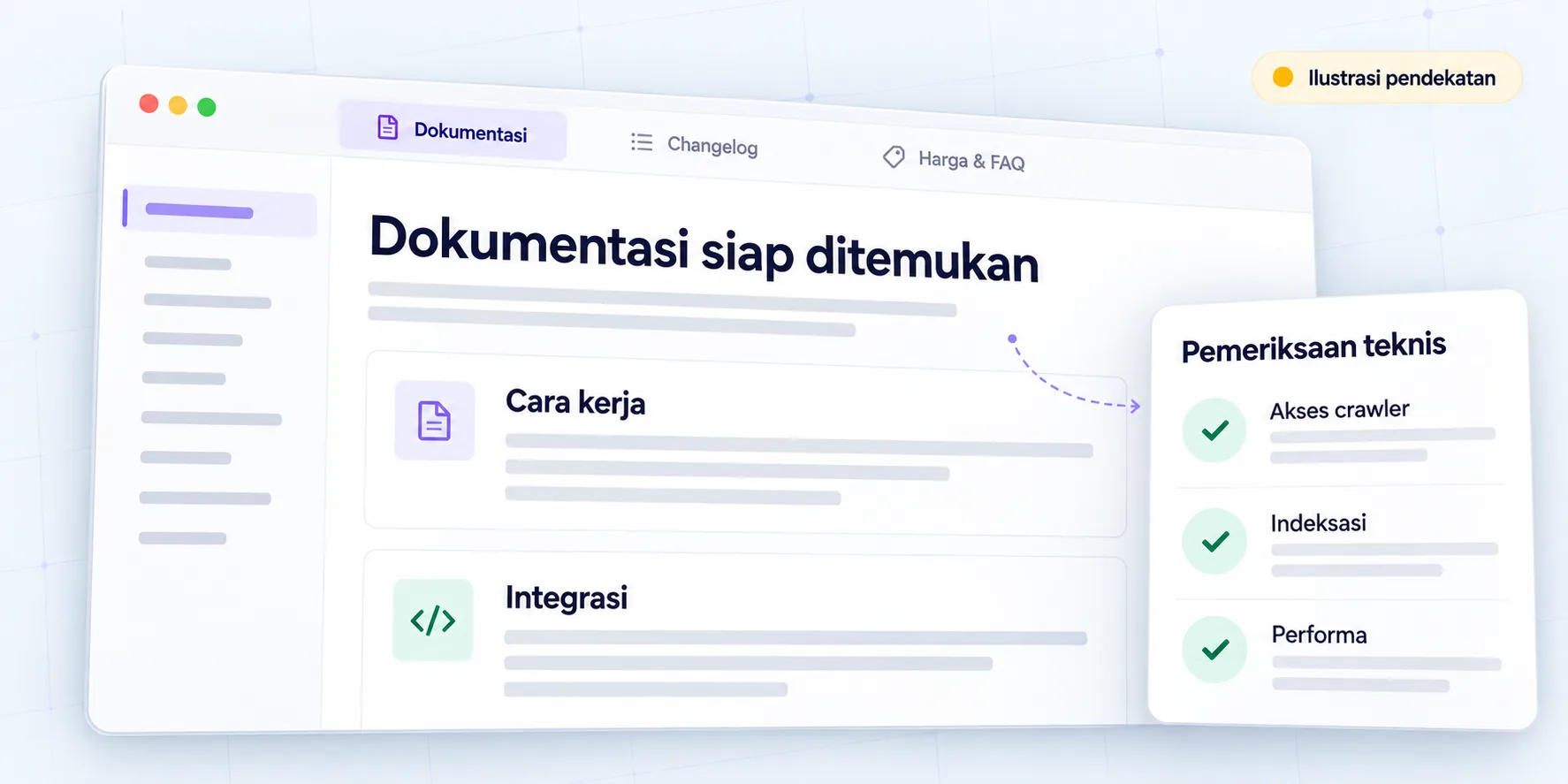
Technical documentation and marketing pages need to be discoverable and explain the product consistently.
This story refers to an anonymous engagement published by Oura. The analysis, decision matrix, illustrations, and checklist below are editorial implementation guidelines; not copies of client documents or additional unattested results.
Summary of work and evidence
| Aspect | Publication summary |
|---|---|
| Sector | B2B SaaS |
| Period | 3 months |
| Initial conditions | SaaS businesses already have paying customers, but acquisition is still dominated by outbound and referrals. Crawler access to documentation is limited by technical configuration. |
| Jobs | The audit reviews robots, sitemap, indexation, and performance. Priority documentation, changelogs, and pricing FAQs are organized with consistent product identity and reference measurements. |
| Results reported | The case publication noted the PageSpeed score increased from 58 to 88 in three months. The foundation of product access and information becomes the focus before adding content production. |
| Evidence label | Measurable impact, following Oura publication |
Oura engagement source. Raw data and all test conditions are not available in the public summary. These results need to be read with the initial period and conditions; is not an estimate of results for other businesses.
A good product still requires achievable public documentation
SaaS buyers don't just read the benefits on the homepage. The technical team can look for integration paths, functionality limits, version changes, and cost implications before agreeing to a demo. If public documentation is difficult to achieve, marketing pages are not always sufficient to address the need.
This case states that crawler access to documentation is limited by technical configuration, while acquisition is dominated by outbound and referrals. The priority is reviewing the foundation of access and consistency of product information. Opening more content doesn't mean the entire internal area has to become public.
Separate information that helps with evaluation from customer data, credentials, and internal records. Robots.txt directs crawler access; The file does not provide security for confidential data. Private areas require appropriate access controls on the system.
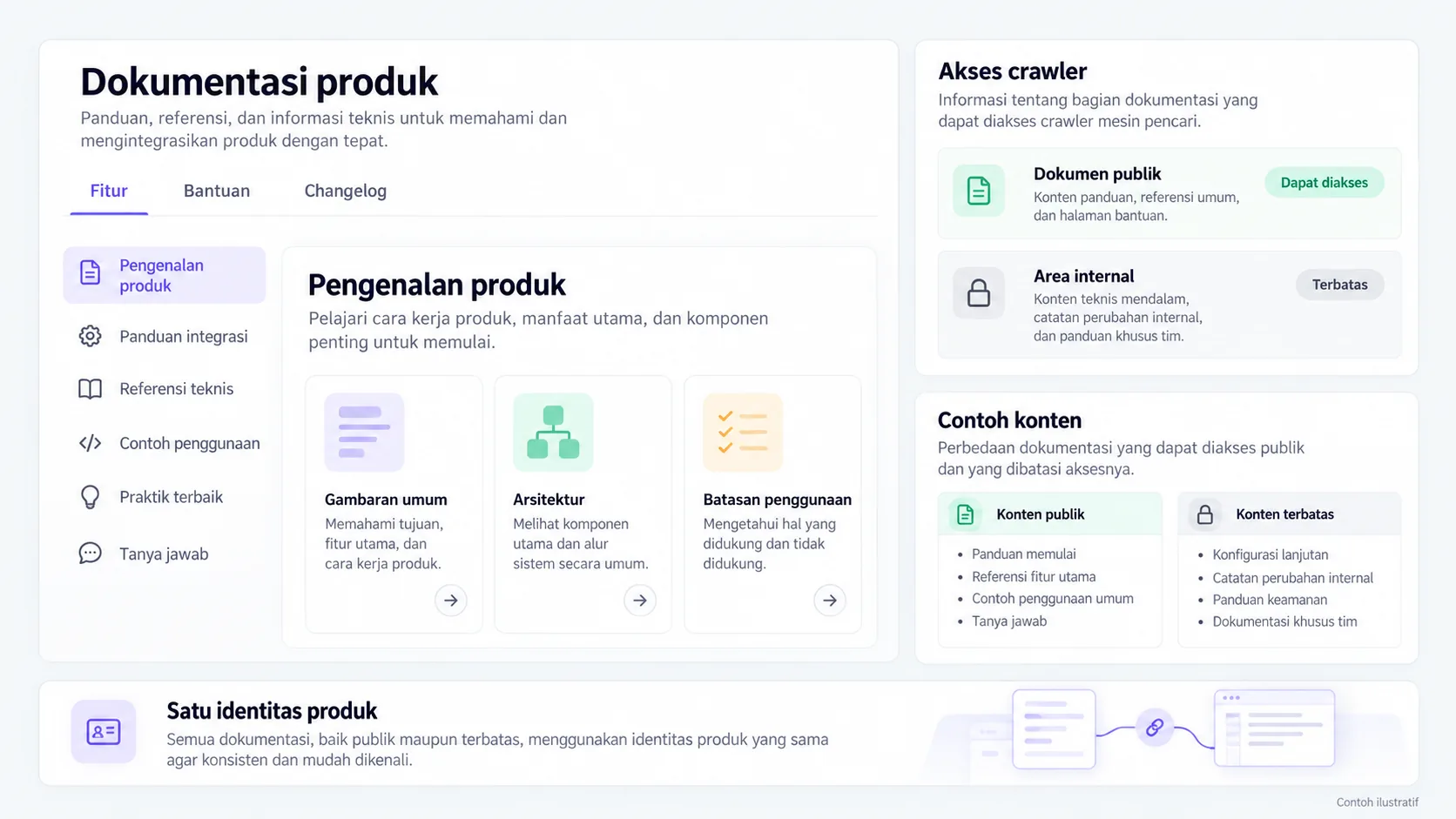
Inventory example before opening documentation access
| Information group | Buyer needs | Controls that need to be checked |
|---|---|---|
| Public guide | Understand the function and how to start | Access, versions, and page relationships |
| Integration documentation | Assess technical suitability | Public coverage and engineering review |
| Changelog | Understand product changes | Date, version, and user impact |
| Price FAQs | Understand plan limits and fees | Commercial approval and consistency |
| Customer and internal areas | Manage private data or activities | Authentication and authorization, not just robots |
Use this inventory as audit material, not a copy-ready configuration list. Publication decisions need to be reviewed by product owners and engineering. Don't include API keys, sample customer data, or sensitive details in illustrations or public pages.
Access, indexation, and ranking are different checks
Pages that visitors can load may not necessarily be processed by crawlers. On the other hand, pages that can be crawled may not necessarily be indexed or have good search positions. The inspection needs to look at URL status, server response, crawl rules, indexation directives, and available content.
Sitemaps help convey the URLs that search engines want to recognize, but they don't guarantee they will all be indexed. Choose a URL that is worthy of being a public destination and is consistent with the website structure. Avoid entering private areas or URLs that conflict with publishing decisions.
Documentation needs to be understandable without relying on interactions that hide core information. If an example or guide requires a specific version, describe that version in the body of the page. It will be difficult for buyers to assess suitability if marketing materials and documentation use different terms.
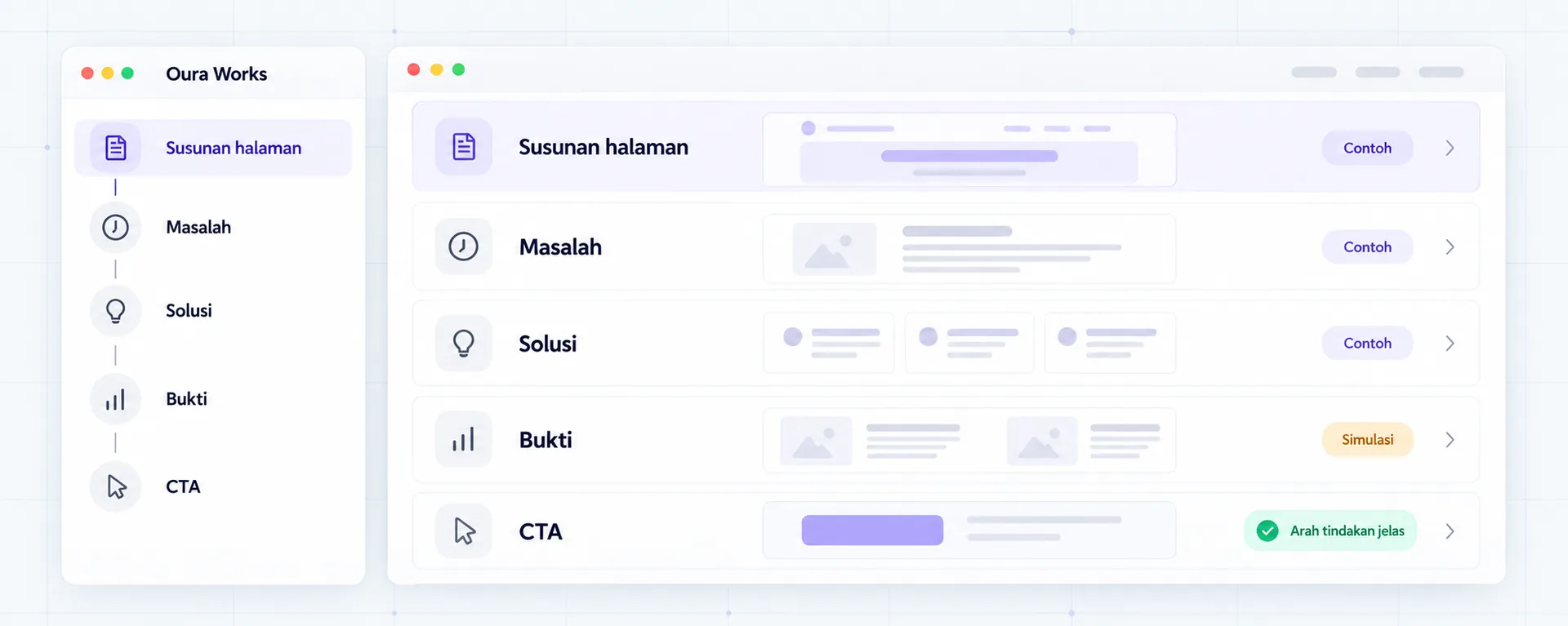
Product information requires owners and reviews
Achievable but outdated documentation can still be misleading. Determine who checks functions, examples, and package changes. Note the review date and relationship to the product version so that changes are not only visible in the changelog.
The pricing page should explain what's included, what's restricted, and when potential customers need to contact the team. Don't turn product limits into business outcome claims. Available integrations also need to be differentiated from integrations that still require special work.
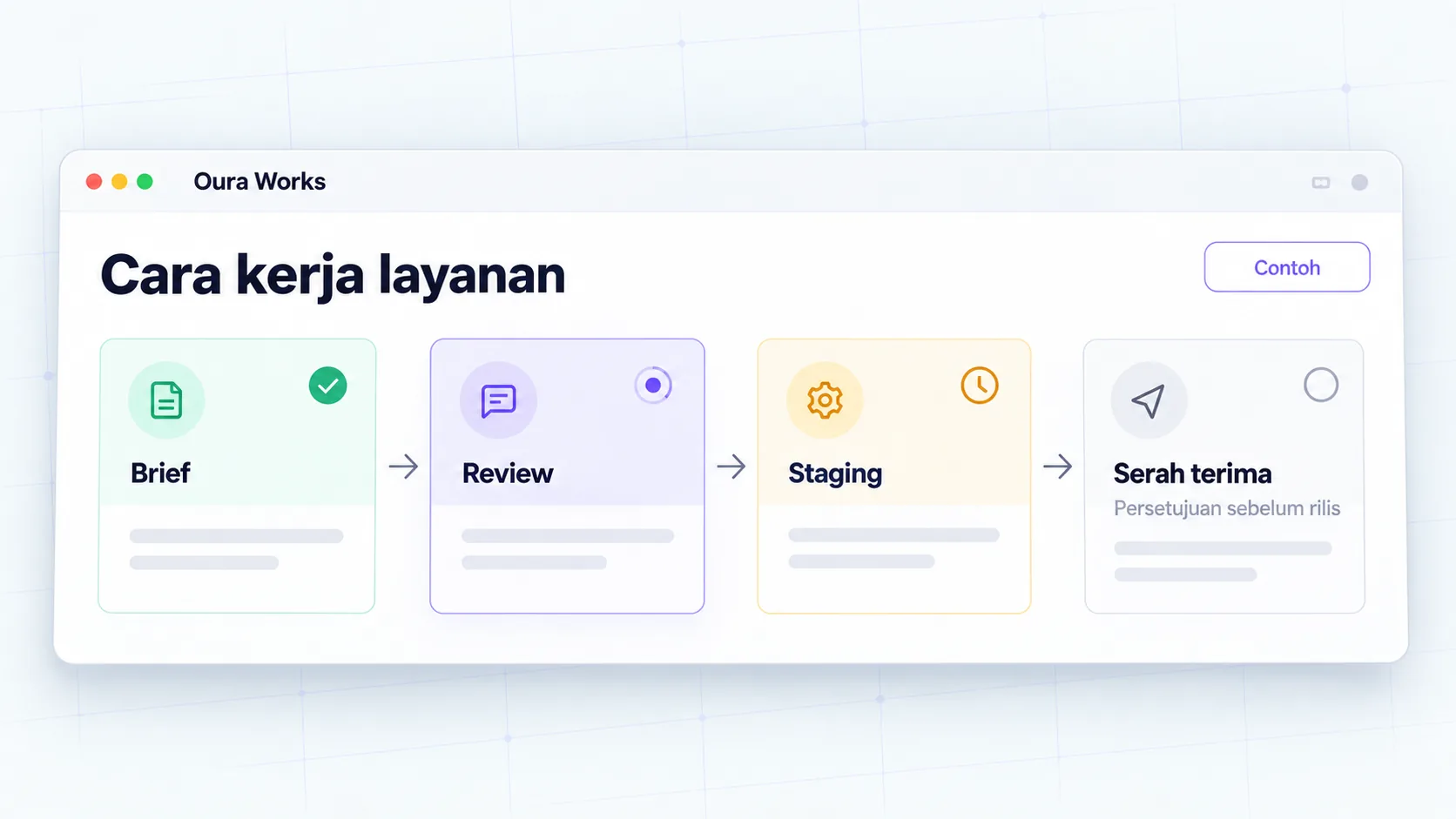
In the change cycle, use clear briefs, reviews, staging and handover. Check the links from the documentation to the offer as well as from the offer to the technical explanation. These points are often the pieces read together by business and technical teams.
Reads a score of 58 to 88 without mixing indicators
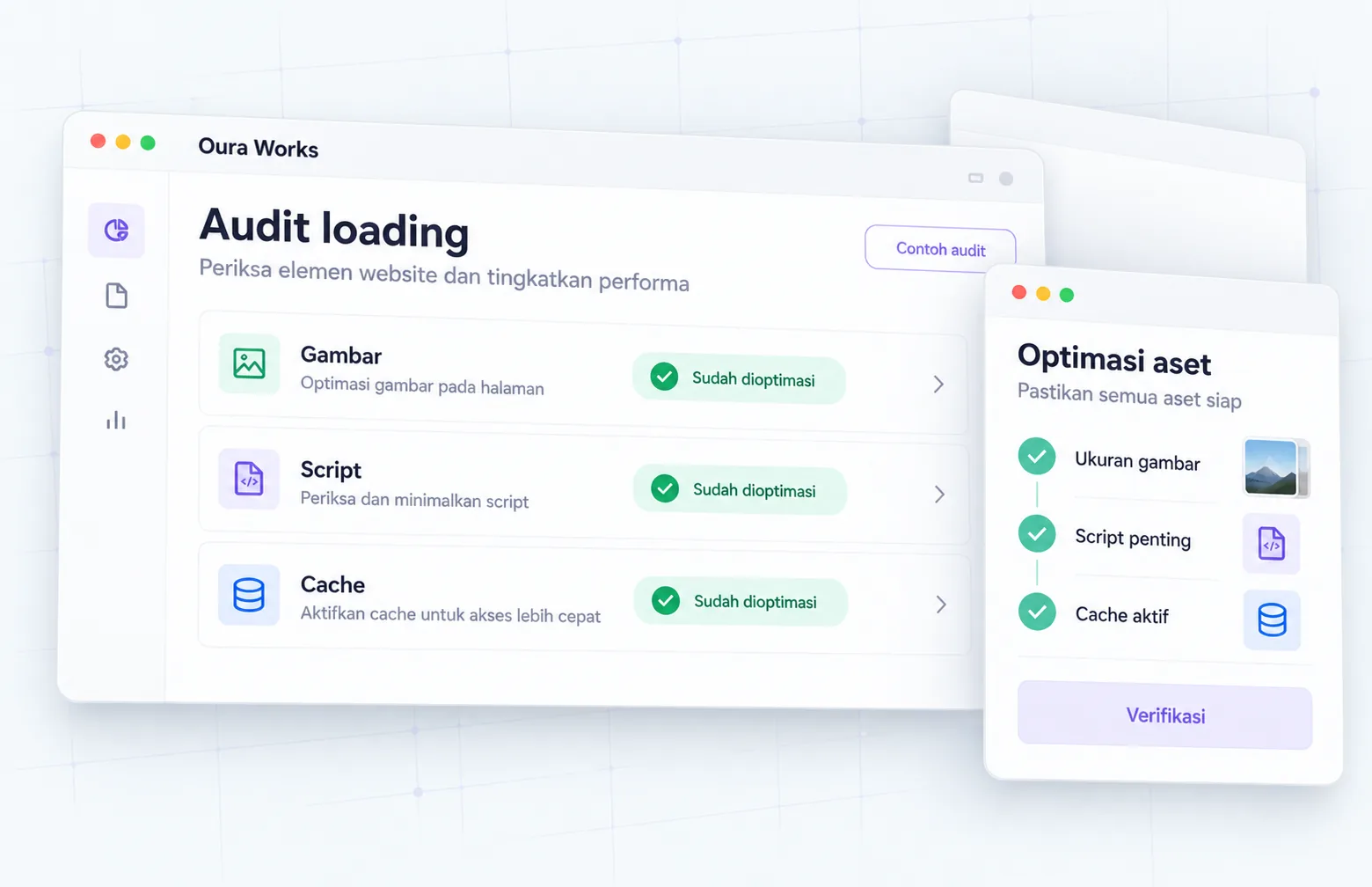
The case publication noted PageSpeed increased from 58 to 88 in three months. The scores are reported test results, not demo conversion increases and not security level percentages.
Compare URLs, simulation devices, times, and test conditions. For real user experience, read field data when available. For search access, use appropriate indexation checks. For commercial benefits, follow inquiries and opportunities received by sales.
| Indicator | Purpose of reading | It cannot be proven by itself |
|---|---|---|
| PageSpeed | Discover lab performance bottlenecks | Overall user experience and revenue |
| Indexation status | Check URL suitability in searches | AI ranking or citations |
| Documentation visit | Understand the material read | Readiness to buy |
| Demo received by sales | Assess incoming needs | Contract success without follow-up |
Public sources have indexation details that cannot be fully reconciled from the summary. This article chooses contextual performance figures and does not add total indexed pages as a new claim.
What does AI-ready mean in the context of this work?
The term is useful when referring to a verifiable foundation: accessible public information, consistent product identity, answers helpful to readers, and clear evidence and sources. The term should not be a promise that AI will recommend products.
Google's current guidelines state SEO practices remain relevant for AI search features. Google does not require llms.txt files or AI-specific markup to appear in the feature. Other AI services' policies may differ and need to be checked in their respective documentation.
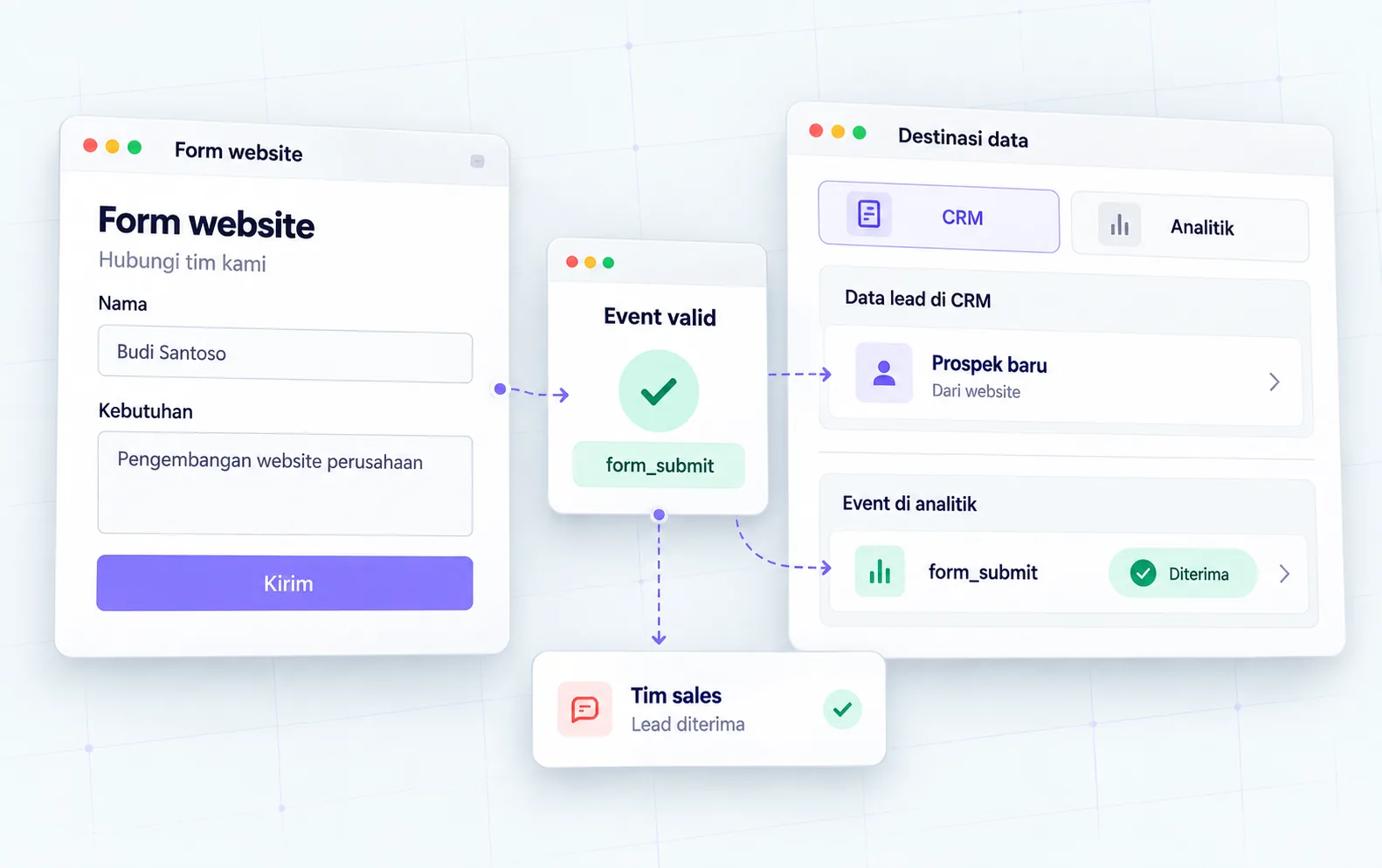
If the team monitors citations, note the query, platform, date, and referral URL. Continue reading to an identifiable path of demonstration or inquiry. Buyer questions coming into sales can help assess whether the documentation truly addresses needs.
Checklist for product and marketing teams
- Classify public and private material before changing crawler access.
- Note the documentation owner, product version, and review process.
- Check access, indexation, performance, and inquiry as separate indicators.
- Align functional limits and prices with the information on the marketing page.
- Use sample materials that do not contain customer credentials or data.
Discuss the foundations of a SaaS website with Oura. Bring examples of public documentation, internal information boundaries, and demo routes used so that the audit has a clear scope.
FAQs
Is robots.txt enough to protect private documentation?
No. Robots.txt directs crawler access and is not an authentication mechanism. Private material needs appropriate access controls. Before opening documentation, classify the content with engineering and data owners.
Does the sitemap guarantee that all documentation is indexed?
No. Sitemaps help convey URLs, but indexation decisions are influenced by page conditions and search engines. Check the status of priority URLs and consistency of technical rules without promising that the entire page will be indexed.
Is llms.txt mandatory to appear in Google AI searches?
Not according to Google guidelines checked when this article was updated. Focus on access, helpful content, and basic SEO. Don't generalize Google policies to all AI services without checking the documentation.
No. Performance scores are indicators of lab testing. Valid demos, sales opportunities, and contracts require different process notes. The case summary does not provide sufficient data to conclude a causal relationship.
Which documentation should be prioritized?
Select material that helps product evaluation and can be safely published: functionality, relevant integrations, usage limits, and version changes. Priority is based on buyer questions and source readiness, not just the number of pages.
References and source limits
- The case of Oura SaaS for context and reported scores.
- Introduction to Google's robots.txt for the crawl function limit.
- Google AI search guide for SEO prerequisites and basics.
- Core Web Vitals for field performance readings.
Source checked October 2, 2026. Illustrations and recommendations are not a safety audit of specific products.
Continue on to guides and stories that discuss similar decisions.
More useful service content
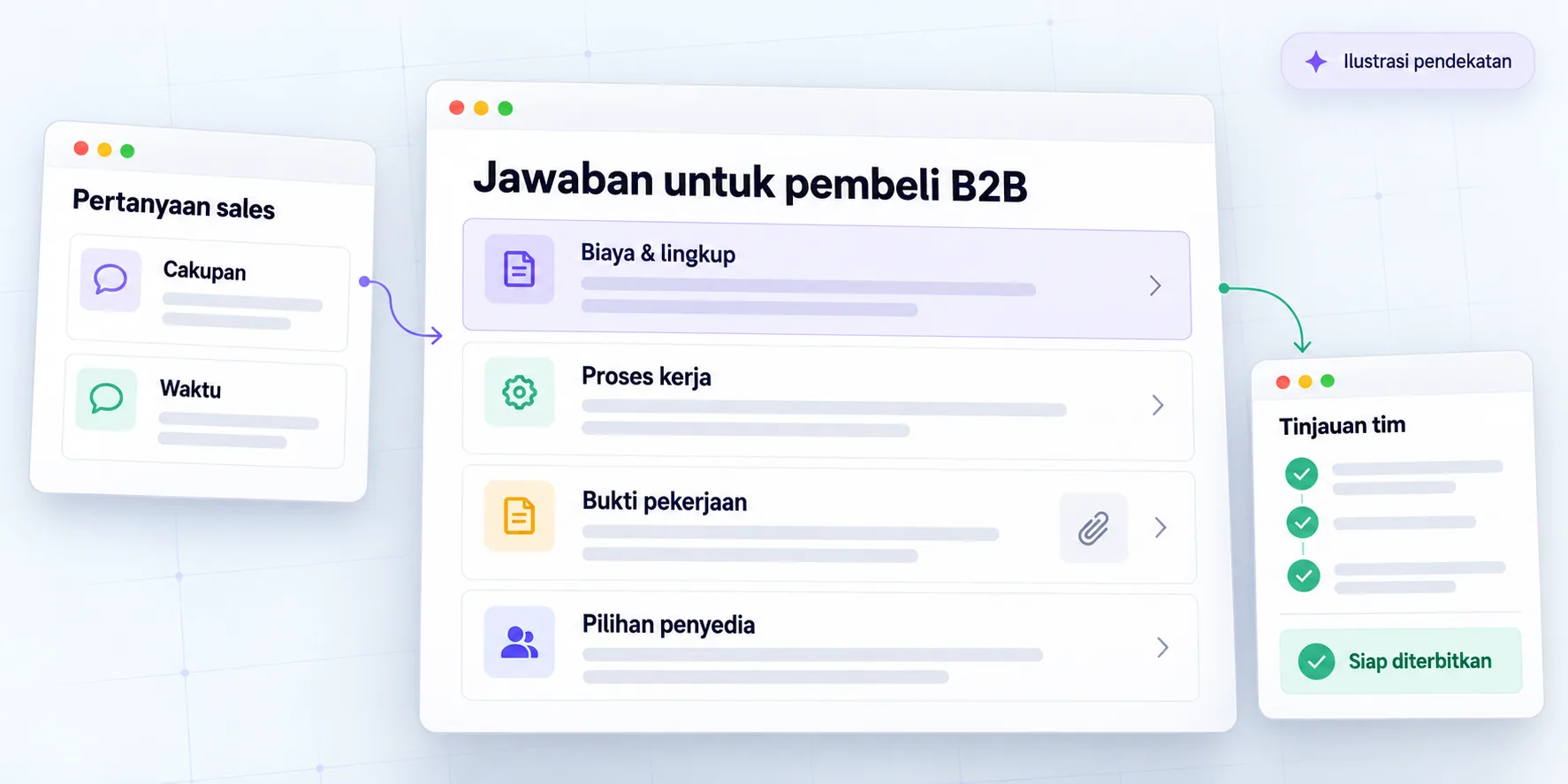
Buyer questions formed the basis of eight months of content work.
Clear website project brief
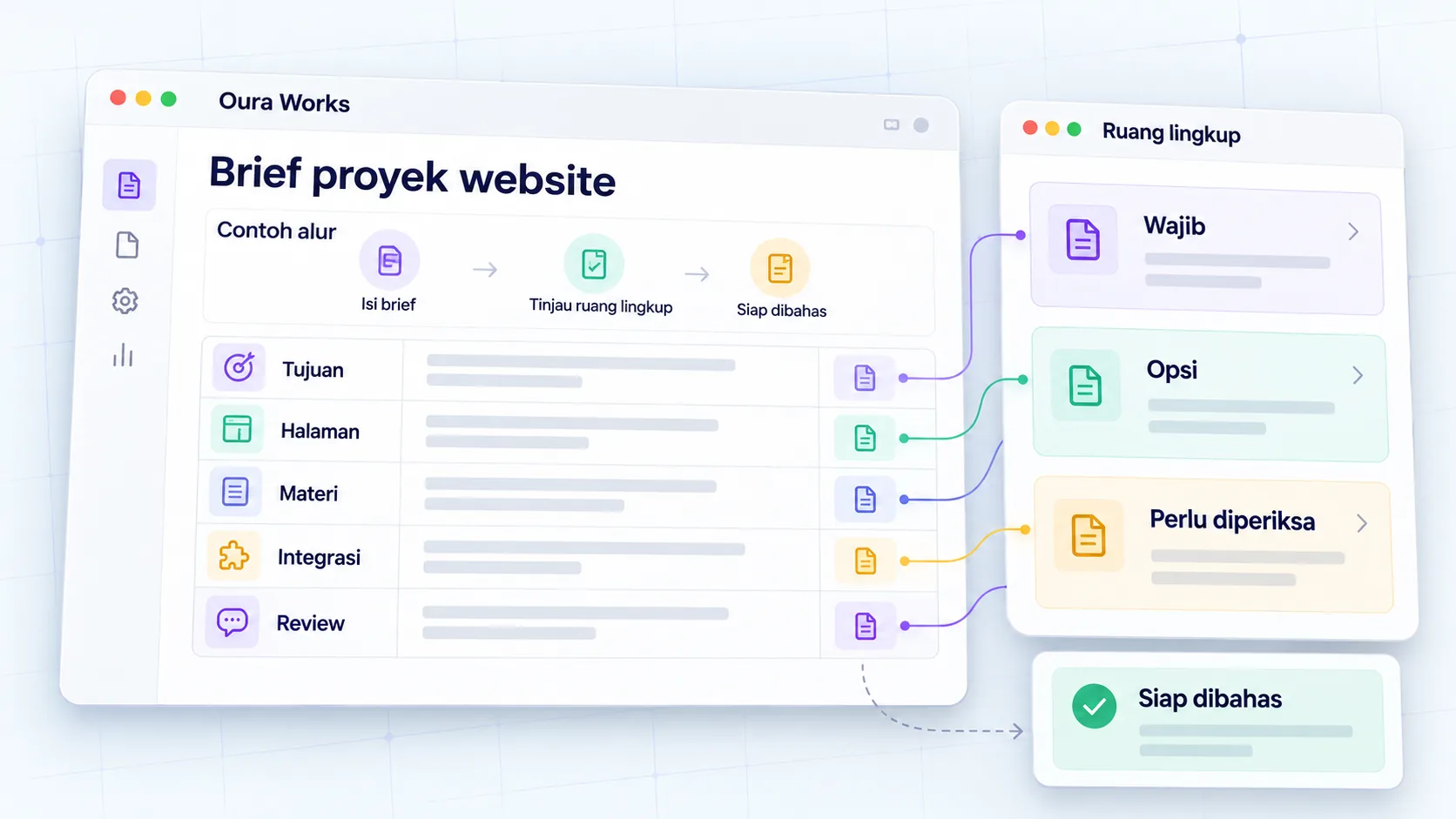
Agree on project goals, scope, and decisions.
SEO foundation for AI search
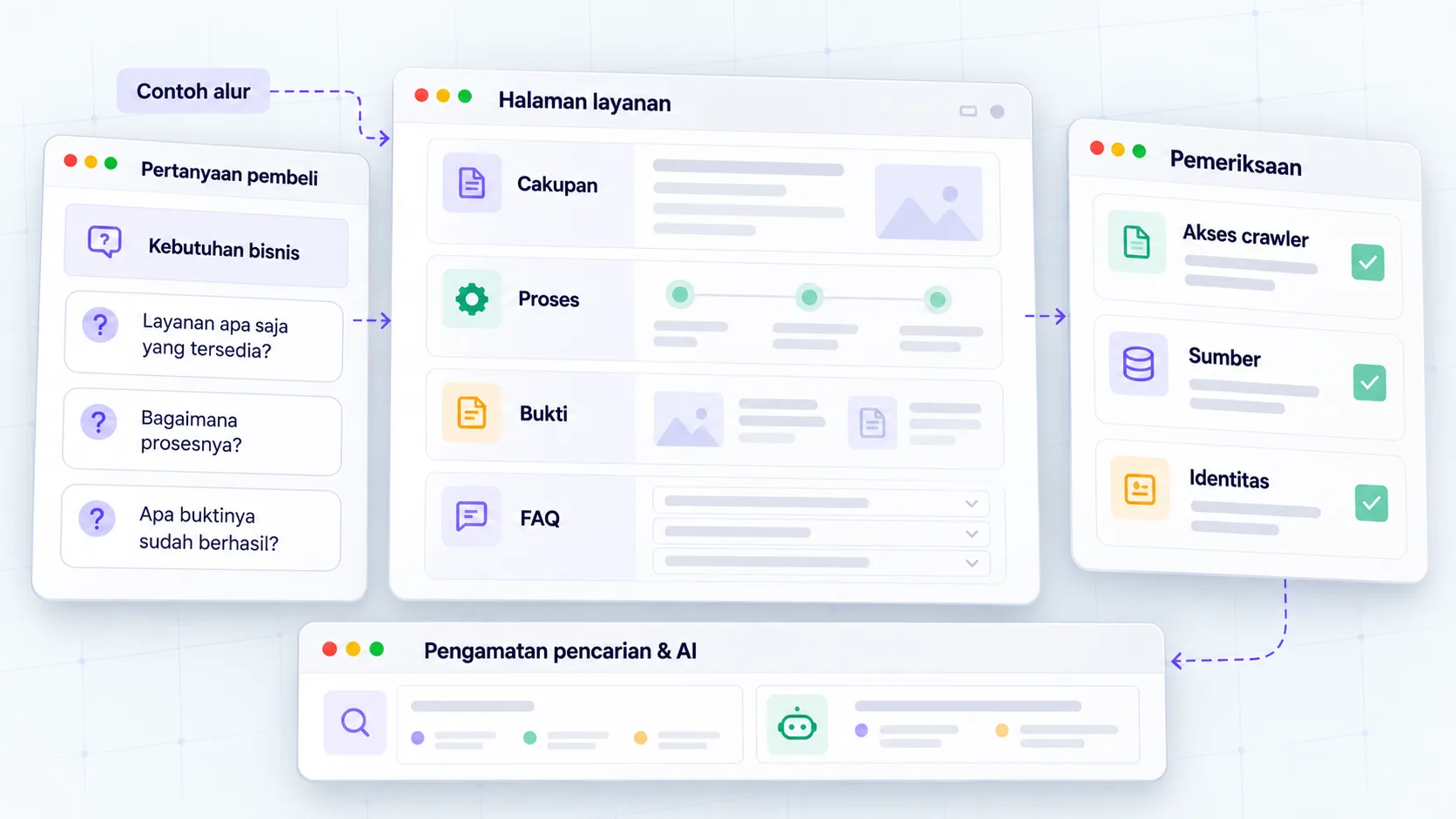
Maintain technical access and information that helps readers.
Lead measurement with GA4
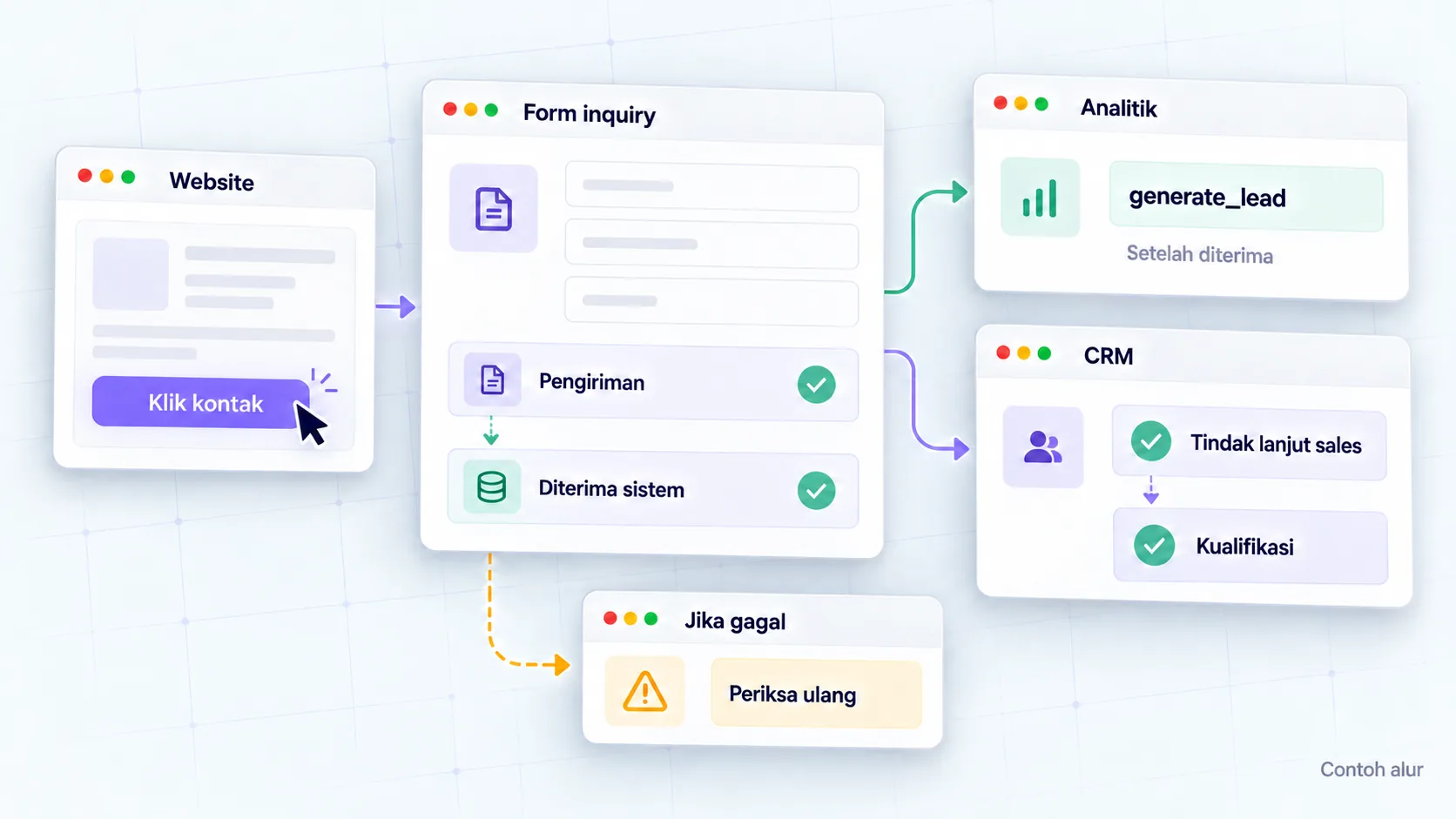
Connect website actions to sales context.
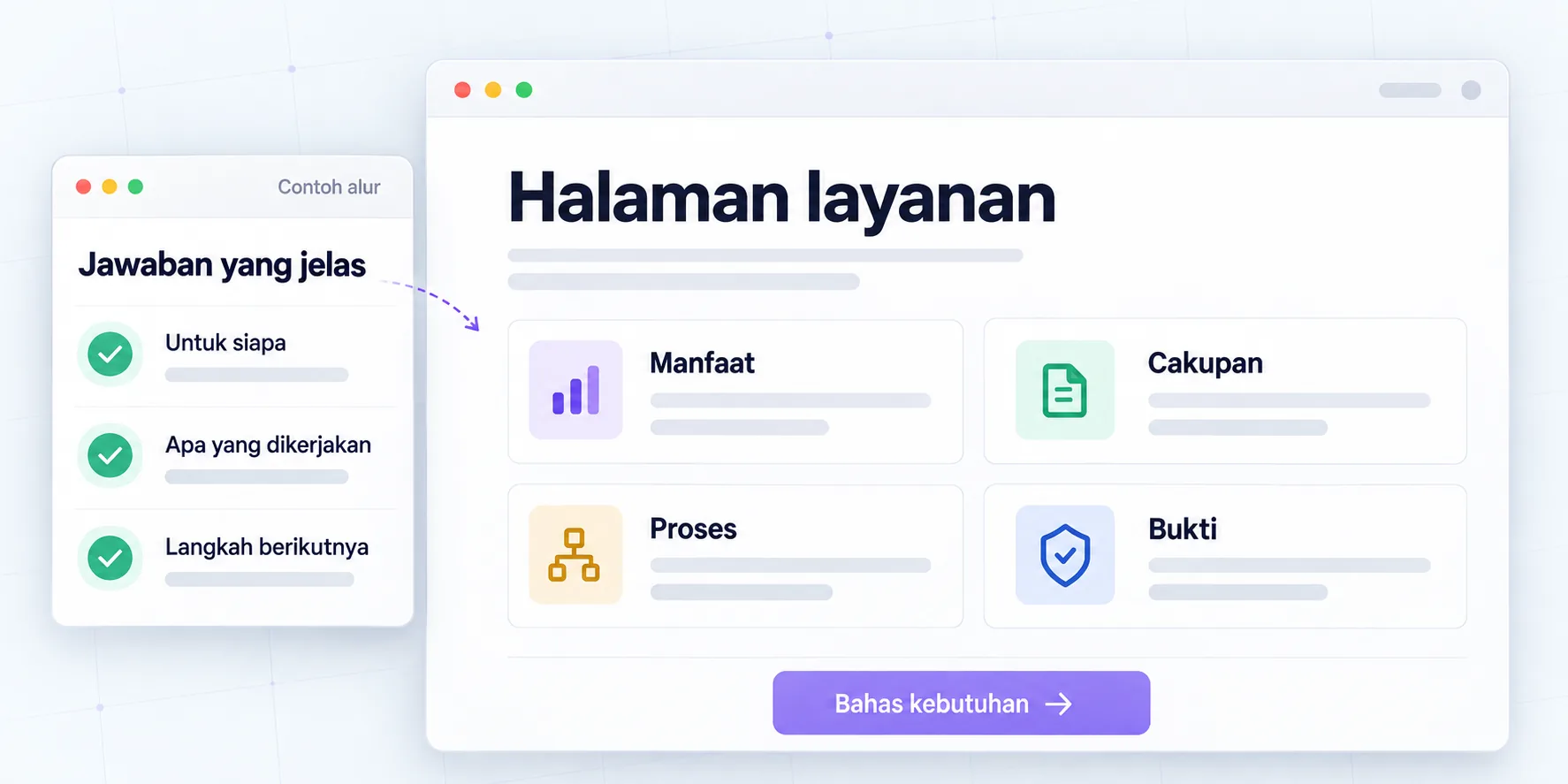
Copy of services before consultation
Clarify benefits, scope, evidence and next steps.